

Cart
0
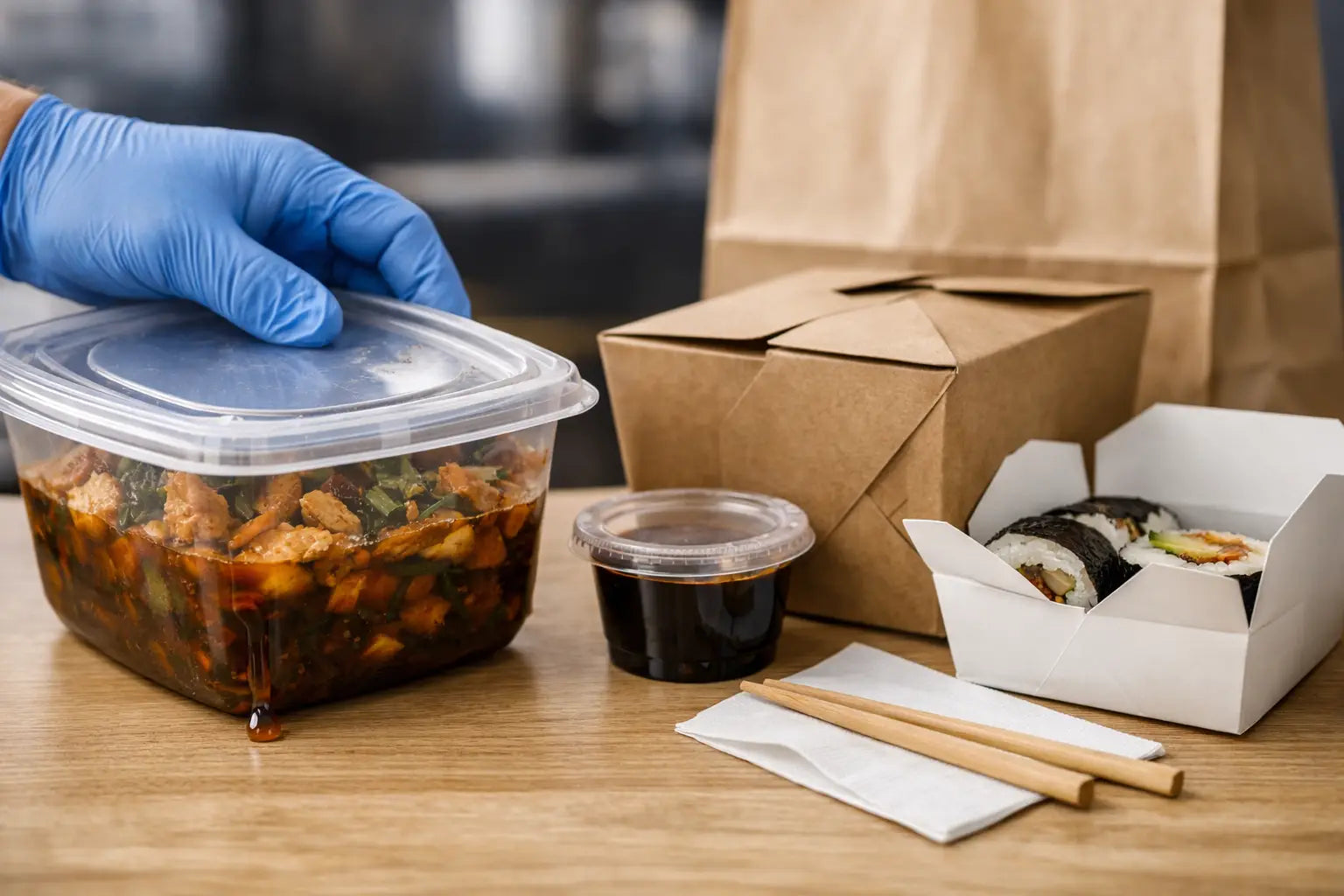
A leaked soup, sauce-soaked bag, or spilled drink can turn a well-prepared order into a refund, a complaint, and a customer who may not return. This food packaging leak prevention guide helps food-service operators, caterers, event hosts, and households choose and pack disposable food containers with fewer surprises between the kitchen and the table.
Leak prevention is not only about buying a container labeled with a lid. It comes down to matching the container, lid, food temperature, fill level, and delivery conditions. When those pieces work together, food arrives cleaner, safer, and ready to serve.
Food Packaging Leak Prevention Guide: Start With the Food
The first question is simple: what is going into the package? Thin liquids, oily foods, hot meals, acidic sauces, and heavy portions each create different demands on disposable packaging.
Soups, curries, gravies, and dressings need containers with a secure, close-fitting lid and enough headspace to prevent pressure from pushing liquid toward the rim. A shallow tray may work for pasta or rice, but it is rarely the right choice for broth-based meals. For liquid-heavy dishes, choose a deeper, rigid container designed to hold its shape during handling.
Greasy foods bring a different issue. Fried chicken, roasted meats, and foods with oil-based sauces can soften low-quality paper packaging or work their way through poorly sealed seams. Use containers with suitable grease resistance and avoid relying on a thin bag as the primary barrier. A lid should fit evenly around the edge without gaps, warping, or loose corners.
Hot foods require extra attention because heat can create steam. Steam pressure builds when a hot meal is sealed immediately, especially in a full container. That pressure can lift a lid, force sauce through a weak seal, or create condensation that affects food quality. If the item needs venting, use packaging designed for it, and follow a consistent packing process rather than improvising during a busy service.
Choose a Container and Lid That Work as a Set
A strong container paired with the wrong lid is still a leak risk. The container and lid should be intended to fit together, ideally from the same product line and size. Mixing lids across similar-looking containers may seem efficient, but even a small difference in rim shape can cause spills during transport.
Before placing a bulk order, test the combination with the foods you actually serve. Fill the container to a realistic level, close the lid, and gently tilt it. Then repeat the test after the food has been hot-held or refrigerated. Some materials perform differently as temperatures change, and a lid that seems secure when cold may loosen around a hot container.
Rigid microwave containers are often a practical option for prepared meals, side dishes, and sauces because they hold their form well and make reheating convenient for customers. Aluminum containers with properly fitting lids can be useful for baked dishes, catering portions, and oven-ready items. For cold salads, desserts, or deli items, clear plastic containers can help staff confirm the contents and closure before the order leaves.
The best choice depends on the menu and the journey. A container suitable for a customer carrying lunch home may not be sufficient for a large catering order traveling across town in a vehicle.
Check the Lid Closure Every Time
A lid should snap, press, or fold into place consistently around the full rim. Train staff to check all four corners or the entire circular edge rather than pressing only the center. A lid can look closed from above while one corner remains slightly raised.
For containers with snap-on lids, press around the perimeter until the closure is fully engaged. For aluminum pans with board lids, make sure the lid is correctly sized and seated without bowing. If the packaging system uses foil or film seals, confirm that the sealing surface is clean and dry before applying it. Food on the rim is a common cause of seal failure.
Do not try to solve an incorrect fit with excessive tape. Tape can add support in limited situations, but it cannot make a loose lid food-safe or dependable. It also slows packing and creates a less professional customer experience.
Leave Room for Movement and Expansion
Overfilling is one of the most preventable causes of leakage. When liquid reaches the rim, there is no space for movement during carrying, stacking, braking, or turning. Hot food may also expand slightly or release steam, adding pressure below the lid.
Set a practical fill line for each menu item. For soups and sauces, leave a clear gap between the food and lid. For meals with gravy or dressing, keep the sauce below the edge and consider packing extra sauce separately when the portion is especially full. This protects the meal’s appearance as well as the bag.
Separate containers are often the smarter choice for dressings, dipping sauces, salsa, and toppings. They reduce the chance of a large spill, keep crisp foods from becoming soggy, and give customers more control over how they finish the meal. The trade-off is added packaging cost and packing time, so reserve this approach for items where quality or leak risk justifies it.
Pack the Order for the Trip, Not Just the Counter
A properly sealed container can still leak if it is packed carelessly. The bag, tray, and stacking method all matter once an order leaves the prep area.
Keep liquid containers upright from the moment they are filled. Place them on a flat base, and avoid putting them on top of soft items such as napkins, bread, or lightweight food boxes. If several containers share one bag, use the heaviest and most stable packages as the bottom layer. Do not stack hot containers so high that the lid of the lower container carries the full weight of the order.
For large orders, use sturdy takeaway bags with a broad, stable base. A bag that is too small can squeeze the sides of containers and disturb lids. A bag that is too large allows containers to slide and tip. The right fit limits movement without crushing the packaging.
When packing delivery orders, add a simple stability check before handoff. Lift the bag from the handles, keep it level, and watch for shifting inside. This takes seconds and can catch a loose lid or an unbalanced order before it reaches the customer.
For catering and event service, trays can provide an extra level of support. Arrange containers in a single stable layer whenever possible, especially for foods with sauces or liquid components. If stacking is necessary, place flatter and lighter items above rigid containers, and avoid stacking directly on lids with raised centers.
Control Temperature and Condensation
Temperature affects both food quality and packaging performance. Packing very hot food into a completely airtight container can create steam buildup, while cooling food too long before packing may compromise the intended serving experience. The practical goal is controlled heat, not simply the hottest possible package.
For foods that release a lot of steam, use a container style appropriate for hot takeout and avoid sealing it while it is actively boiling. Give it a brief settling period when your food-safety procedures allow, then close the lid carefully. This reduces sudden pressure changes without unnecessarily delaying service.
Cold foods should remain cold and dry. Condensation from temperature swings can make lids slippery, weaken paper-based packaging, and affect labels. Keep cold items separate from hot foods when possible, particularly in larger mixed orders.
Build a Simple Leak-Test Routine
Reliable packaging is easier to maintain when it becomes part of daily operations. Test new containers, new lid sizes, and new menu items before using them in a full service. A short trial can reveal whether a sauce stains the material, whether a lid flexes under heat, or whether a bag needs a stronger base.
A useful routine checks four areas: fit, fill level, temperature, and transport. Staff should know which container belongs with each menu item, how full it should be, whether sauce is packed separately, and how the finished order should sit in the bag. Clear standards reduce waste and prevent last-minute guesswork.
Keep an eye on patterns in customer feedback. If complaints involve the same dish, time of day, or delivery distance, the solution may be operational rather than product-related. A soup container may be sound, for example, but a rushed packing station may be overfilling it during peak hours.
White Pack offers practical disposable containers, aluminum options, takeaway bags, trays, and related supplies so businesses and households can source the packaging pieces needed for cleaner food transport in one place.
Leak prevention is a small detail customers notice most when it fails. Choose the right packaging for the food, leave room under the lid, and pack every order as if it will take one sharp turn on the way home.


