Cart
0
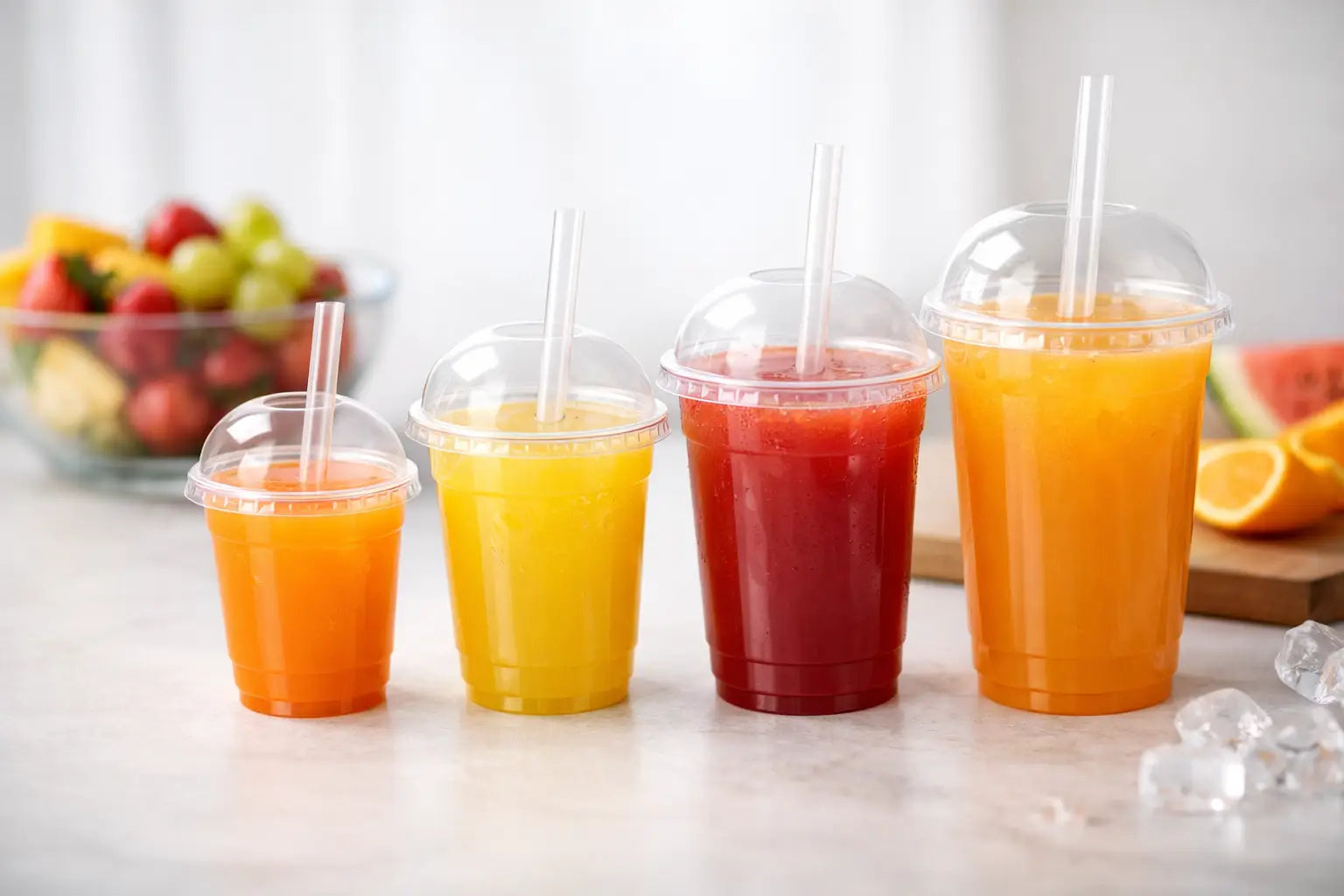
A juice cup that looks right but leaks in the car, feels flimsy at the counter, or runs out before the rush creates an unnecessary problem. The best plastic cups for juice support the way you serve: quickly, cleanly, and at a cost that makes sense for daily operations or a one-time event.
For restaurants, cafés, caterers, offices, and home hosts, the right cup does more than hold a drink. It helps control portions, keeps hands comfortable, presents fresh juice well, and makes takeaway service easier. Choosing well starts with the actual drink, the serving style, and the volume you need.
Start With the Juice Serving Size
Cup capacity is the first decision because it affects portion control, customer expectations, lid options, and cost per serving. A cup that is too small can make a generous drink feel limited. One that is too large may increase product use without adding value.
For juice samples, kids' servings, or breakfast buffets, smaller 5-ounce to 8-ounce cups are often practical. They reduce waste and keep self-service stations organized. An 8-ounce cup also works well for fresh orange juice, apple juice, and other standard morning beverages.
For everyday grab-and-go service, 12-ounce and 16-ounce plastic cups are dependable choices. They give customers room for a satisfying serving, ice if needed, and a secure lid. These sizes are especially useful for cafés, delis, food trucks, school functions, and office refreshment areas.
Larger 20-ounce and 24-ounce cups suit juice blends, smoothies, lemonade, and specialty cold drinks with ice. They can be a strong option when a beverage is part of a meal deal or sold as a premium refreshment. Just make sure the cup size matches the portion your team can serve consistently.
Choose Plastic Cups for Juice by Material
Not all clear plastic cups perform the same way. Material choice should reflect the temperature of the drink, the level of handling, and the impression you want to make.
PET cups are commonly chosen for cold juice because they are clear and provide a crisp, polished look. Their transparency helps colorful drinks stand out, whether you are serving green juice, fruit punch, or layered beverages. For juice bars, catering displays, and retail coolers, that visual clarity can make a noticeable difference.
Polypropylene cups are often a practical choice when you want a more flexible cup that handles everyday use well. They can work well for cold beverages and are useful when durability matters more than a high-gloss presentation. For high-volume service, the best fit depends on the specific product design and the lid system you plan to use.
Material should not be selected on appearance alone. If your juice is served with crushed ice, carried in delivery bags, or handed to guests at a busy event, a stronger cup and compatible lid may be worth the added unit cost. For a simple self-serve breakfast station, a lighter option may be all you need.
Clear Cups Improve Presentation and Ordering
Juice is naturally visual. Fresh-squeezed orange juice, berry blends, iced tea, and lemonade all look more appealing when customers can see the color and texture. Clear plastic cups let the product do part of the selling before the first sip.
This matters in a display case, at a catering table, or on a beverage counter where guests choose quickly. A clean, uniform cup presentation can also make a small operation look more organized. Pairing the same cup style across juice, cold brew, soda, and water simplifies purchasing while keeping the service area consistent.
That said, a clear cup is not always necessary. For a staff break room, a large family gathering, or a high-volume community event, value and availability may matter more than presentation. The right purchasing decision is the one that serves the occasion without overbuying features you will not use.
Do Not Treat Lids as an Afterthought
A lid is part of the cup system, not an extra detail. If juice is leaving the counter, being delivered, or served around children, a properly fitting lid helps prevent spills and protects the drink from dust and contact.
Flat lids are a straightforward choice for cold juice and drinks without toppings. They create a neat profile for stacked displays, refrigerator storage, and bagged orders. Dome lids provide extra room for whipped toppings, fruit garnish, foam, or a more substantial smoothie-style drink.
Check the cup rim diameter before ordering lids. A lid that looks similar may not seal properly if it is not made for the same cup size and rim style. Testing one complete cup, lid, and straw setup before buying in volume can prevent costly mismatches.
Straws also deserve attention. Thin straws work well for standard juice, while wider straws are better for thicker blends and smoothies. If you offer both, keeping the correct straw size at the beverage station avoids frustration for customers and staff.
Plan for the Way Customers Carry the Drink
Counter service, delivery, buffet service, and home entertaining each place different demands on plastic cups for juice. At a counter, speed matters. Cups should separate easily, fill quickly, and stack without taking up valuable space. For delivery, secure lids and stable cup dimensions become more important.
Caterers may need cups that are easy to set out in quantity and comfortable for guests to hold while standing. For outdoor events, consider whether the drink will sit in warm conditions and whether ice will cause condensation. A napkin station or cup carrier may be useful when guests are carrying multiple items.
At home, disposable juice cups reduce cleanup after birthday parties, barbecues, holidays, and school events. Buying a practical quantity means you have enough for guests without relying on mismatched glassware or spending the evening washing dishes.
Buy the Right Quantity Without Tying Up Storage
Volume buying can lower the cost per cup, but the largest case is not automatically the best value. A small café with limited storage may benefit from a manageable case size that is easy to replenish. A restaurant group, caterer, or event organizer with steady demand may save more by ordering larger quantities of core sizes.
Start with your average weekly beverage volume, then account for peak days, seasonal menus, and upcoming events. If you serve 150 cold drinks each week, ordering exactly 150 cups leaves no room for spills, extra orders, or an unexpected rush. A sensible buffer keeps service moving without creating excessive inventory.
It is also efficient to standardize where possible. Many operations can cover most cold beverage needs with two cup sizes, matching lids, and two straw options. Fewer variations make staff training easier, speed up restocking, and reduce the risk of ordering the wrong accessory.
Balance Cost, Quality, and Customer Experience
The lowest-priced cup can become expensive if it cracks, leaks, or requires double-cupping. On the other hand, a premium-looking cup may not be necessary for every beverage program. The goal is reliable performance at a price that fits your serving volume.
Consider the full cost of service: the cup, lid, straw, napkin, labor time, and potential waste from spills. A dependable cup-and-lid combination can protect margins by reducing remakes and helping drinks arrive as intended.
White Pack makes it easier to source beverage cups alongside straws, takeaway supplies, food containers, and other everyday essentials. Ordering related items together helps businesses and households spend less time managing multiple suppliers and more time keeping service on track.
Before your next order, fill and carry one complete sample exactly as a customer would. That small test will tell you more about cup comfort, lid security, portion size, and presentation than a product description ever can.