Cart
0
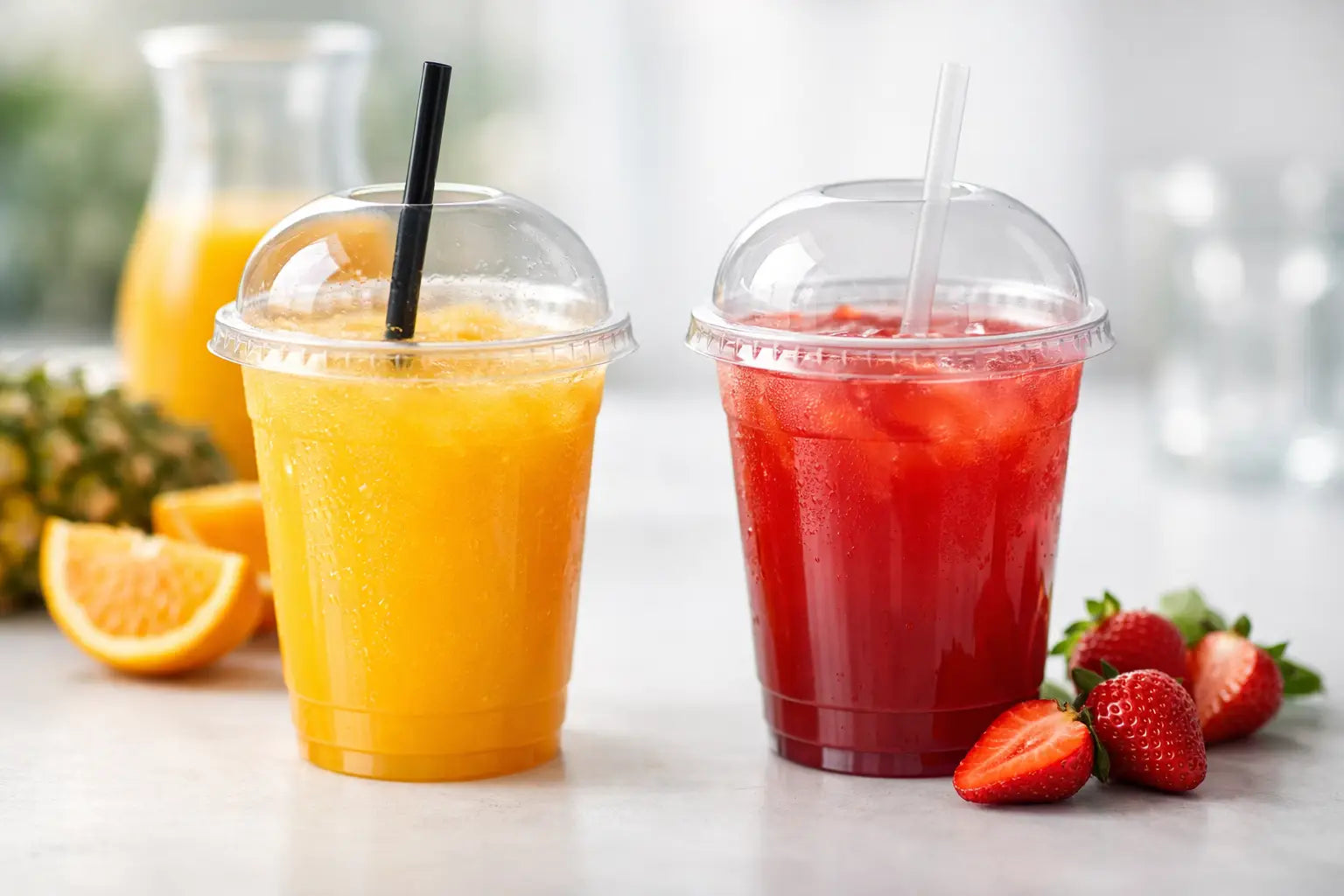
A cup that works fine for water can fail fast when you fill it with orange juice, lemonade, or a fruit blend packed with ice. If you are asking هل الأكواب البلاستيكية مناسبة للعصائر, the practical answer is yes - but only when you choose the right plastic cup for the type of juice, serving time, and customer expectation.
For restaurants, cafes, juice bars, offices, event hosts, and busy households, the real question is not whether plastic cups can hold juice at all. It is whether they hold cold drinks cleanly, look presentable, resist cracking, and stay cost-effective when you need a few dozen or a few thousand. That is where cup material, thickness, lid fit, and drink style start to matter.
Are plastic cups suitable for juice in daily use?
In most day-to-day situations, plastic cups are a practical choice for juice service. They are lightweight, easy to store, quick to distribute, and well suited for cold beverages. For grab-and-go service, catering stations, kids' parties, office meetings, and delivery orders, they often make more sense than glass because they reduce breakage risk and speed up service.
That said, not every plastic cup performs the same way. Fresh juice with pulp, a layered fruit drink, and a simple apple juice pour do not place the same demand on the cup. A thinner cup may be enough for short use at home, while a busy café serving iced mango juice all day may need a sturdier option that feels better in hand and handles lids securely.
The best use case for plastic cups is cold juice served within a short to moderate time window. If the drink is chilled, consumed soon after serving, and does not require reheating, plastic is usually an efficient and dependable option.
What makes a plastic cup good for juice?
A suitable juice cup needs to do four things well. It should hold liquid without softening or leaking, stay comfortable to carry, present the drink neatly, and match the level of service you are offering.
Material quality is the first checkpoint. Some plastic cups are made for light use and low-cost serving. Others are clearer, stronger, and more crack-resistant, which matters when customers can see the drink and expect a better presentation. For a self-serve family gathering, a basic cup may be enough. For a juice counter, hotel breakfast station, or catered event, appearance and durability usually carry more weight.
Cup thickness also affects performance. Thin cups help control cost, especially in high-volume use, but they can flex too much when packed with ice. A thicker cup gives a more stable grip and tends to feel more reliable, which can influence how customers judge the overall service.
Size matters as well. Small servings for kids or tasting stations need a different cup than a large juice order with ice. Choosing the wrong size leads to spills, wasted product, or a drink that looks underfilled.
The trade-offs: where plastic cups work well and where they do not
Plastic cups are strong performers for cold juices, but there are trade-offs. They are convenient and efficient, yet convenience should not replace good product selection.
For high-acid juices like orange juice or lemonade, standard cold-drink plastic cups are generally fine when the beverage is served and consumed normally. The issue is less about the juice damaging the cup and more about handling conditions. If cups are stacked poorly, exposed to heat in storage, or chosen too thin for the weight of the drink, performance drops.
They are less suitable when the drink is very hot or when the cup may sit in harsh storage conditions before use. Heat can affect the structure of certain plastic cups, and low-grade products may crack more easily during transport or busy service. If your operation includes mixed beverage service, separating hot-drink cups from cold-drink cups is the safer and more professional approach.
There is also the customer experience factor. Some brands and event setups want a more premium feel. In that case, the clearest and sturdiest plastic cups are usually the better fit, while very lightweight cups can make a high-quality juice look cheaper than it is.
Are plastic cups suitable for fresh juice, smoothies, and citrus drinks?
This is where the answer becomes more specific. If you are asking هل الأكواب البلاستيكية مناسبة للعصائر fresh juice, smoothies, or citrus-heavy drinks, they can be - but the cup should match the drink style.
Fresh juice with pulp is heavier than a filtered drink and often served cold with ice. That combination puts more pressure on the sidewall and rim, especially in larger sizes. A sturdier cup is the smarter choice here, particularly for takeaway service.
Smoothie-style drinks raise the bar even more. They are thicker, often served in larger portions, and commonly paired with dome lids or straws. A fragile cup can buckle under pressure when held tightly. If you serve blended fruit drinks, do not shop by price alone. Reliability at the counter and during handoff matters more than saving a small amount per unit.
Citrus drinks are usually not the problem by themselves. The bigger concern is condensation, ice weight, and handling time. A lemonade cup that sits in a delivery bag, on a buffet line, or in a customer’s hand for twenty minutes needs stronger performance than one poured and consumed immediately.
How businesses should choose plastic cups for juice service
For commercial buyers, cup selection should support speed, consistency, and cost control. Start with the service model. A dine-in juice service can use one type of cup, while takeaway, catering, and delivery may each need something more specific.
If customers carry the drink around, use a cup with a firm rim and a reliable lid fit. If the juice is displayed, clarity becomes more important because presentation affects perceived freshness. If volume is high, stackability and storage efficiency matter just as much as the drink itself.
It also helps to think in terms of waste reduction. The wrong cup can lead to double-cupping, spills, cracked rims, or customer complaints. Those issues cost more over time than buying the right cup from the start. A dependable supply partner such as White Pack can make this easier by helping buyers source practical disposable essentials in quantities that match actual usage.
For event organizers and caterers, consistency is critical. Guests notice when some cups feel flimsy and others feel solid. A uniform cup choice improves presentation and keeps service running smoothly.
How households can decide faster
Home use is simpler, but the same logic applies. If you need cups for a birthday party, weekend gathering, school event, or everyday convenience, plastic cups are often the easiest option for juice because they cut cleanup time and reduce breakage.
The main decision comes down to occasion. For casual use, standard cold cups are usually enough. For a nicer setup with fruit punch, mocktails, or fresh juice, a clearer and stronger cup gives better results. If kids are involved, durability becomes more important than appearance because dropped cups and tight gripping are common.
Storage is worth considering too. Keeping cups in a cool, clean space helps them maintain shape and hygiene before use. Buying the cheapest option and storing it poorly often leads to disappointment that has less to do with plastic itself and more to do with product handling.
Common mistakes when using plastic cups for juice
One common mistake is using cups that are too thin for iced drinks. The cup may not leak, but it can feel unstable and unpleasant to hold. Another is pairing a good cup with a loose or mismatched lid, which creates more problems than the cup itself.
A third mistake is choosing by unit price alone. That works only if the cup performs as expected. If cups crack, tip easily, or make the drink look less appealing, the lower upfront cost stops being a real saving.
Buyers also sometimes ignore the serving environment. Indoor office juice service is different from outdoor catering in warm weather. The more movement, heat, and handling involved, the more important cup strength becomes.
So, are plastic cups the right choice?
For cold juice, they usually are. They are practical, efficient, and well suited for both business and household use when you choose the right size, strength, and format. The better question is not whether plastic cups can be used for juice, but which plastic cups will support the way you serve it.
A good cup protects the drink, supports presentation, and keeps service moving without extra hassle. When your choice matches the beverage and the setting, plastic cups do exactly what they should - make juice service simpler, cleaner, and more reliable.