Cart
0
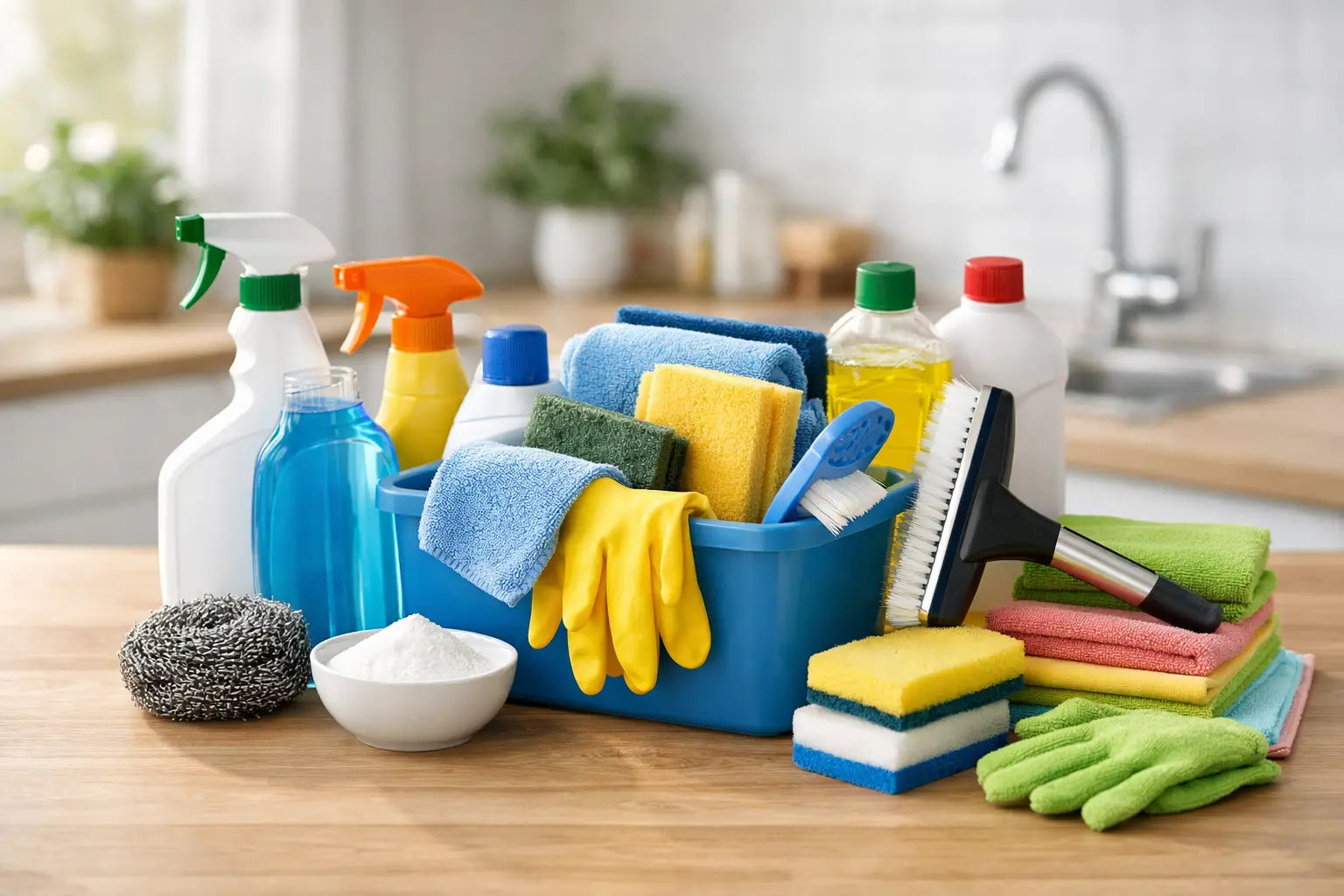
A cabinet full of half-used sprays looks productive until you need to clean a greasy stovetop, a bathroom sink, and a sticky floor in the same hour. Most homes do not need more products. They need the right ones. The best cleaning supplies households keep on hand are the supplies that cover daily messes, store easily, and do the job without wasting time or money.
For most buyers, the goal is simple: clean faster, restock less often, and avoid buying one specialty product for every surface in the house. That is especially true for busy households, event hosts, and anyone who prefers practical supplies that can handle both routine cleaning and heavier use when needed.
What makes the best cleaning supplies for households?
The right setup starts with coverage, not quantity. A strong household cleaning kit should handle kitchen grease, bathroom residue, dust, floor dirt, food spills, and trash-related mess without turning storage space into a stockroom.
Reliability matters more than novelty. If a product works well across multiple tasks, is easy to replace, and offers consistent results, it earns its place. Price matters too, but only in context. A cheap item that tears, leaks, or leaves lint everywhere usually costs more in frustration and repeat purchases.
Another factor is how your home actually runs. A household with kids, pets, frequent guests, or regular home cooking will move through paper goods, trash bags, gloves, and all-purpose cleaners faster than a smaller or lower-traffic home. That is why the best buying decisions usually come from matching supplies to real usage, not idealized routines.
12 best cleaning supplies households should always have
1. All-purpose cleaner
If there is one bottle that earns daily use, it is an all-purpose cleaner. It covers counters, tables, appliance exteriors, and many sealed hard surfaces. This is the product that keeps you from reaching for three different sprays during basic cleanup.
The trade-off is that all-purpose cleaner is not the answer to every problem. It may not cut heavy grease as well as a dedicated degreaser, and it is not a disinfectant unless labeled that way. Still, for speed and convenience, it belongs at the center of most household cleaning setups.
2. Degreasing cleaner for kitchens
Kitchen mess is different from general dust and fingerprints. Cooking leaves behind oil, food residue, and film that standard surface sprays do not always remove well. A degreasing cleaner helps with stovetops, backsplashes, range hoods, and prep areas where buildup happens fast.
This is especially useful in homes that cook often or host regularly. If your kitchen is mostly reheating and light meal prep, you may not use it every day. But when grease shows up, the right cleaner saves serious scrubbing time.
3. Disinfecting spray or wipes
Not every surface needs disinfecting every day, but some situations call for it. Bathrooms, high-touch points, trash lids, door handles, and post-illness cleanup are the obvious examples. A disinfecting product adds peace of mind when sanitation matters more than appearance alone.
Wipes are convenient for quick jobs and spot cleaning. Sprays often make more sense for broader use or larger surfaces. It depends on how often you clean and whether speed or value matters more in your routine.
4. Microfiber cloths
Good microfiber cloths replace a lot of waste and perform better than many people expect. They lift dust, polish surfaces, and help reduce streaks on glass and mirrors. They also work well with less product, which can stretch the life of your cleaning supplies.
Households that clean often should keep several on hand so one dirty cloth does not end up moving grime from room to room. Color-coding them for kitchen, bathroom, and general use can also make the whole system easier to manage.
5. Sponges and scrub pads
Soft cloths are great for maintenance cleaning, but dried food and soap scum usually need more friction. A reliable sponge or scrub pad helps with dishes, sinks, tubs, and hard-surface buildup that will not wipe away cleanly.
Here, quality matters. A sponge that falls apart early or holds odors too quickly is not a good value. It is better to choose practical, dependable options you can replace regularly without overthinking it.
6. Toilet bowl cleaner and toilet brush
This is one category where a dedicated product still makes sense. Toilet bowl cleaner is designed to cling where general sprays run off, and the right brush helps clean efficiently with less mess. It is not glamorous, but it is necessary.
For households with multiple bathrooms, keeping a full set in each bathroom saves time and cuts down on skipped cleaning. Convenience is often what keeps supplies in use.
7. Trash bags that do not fail under pressure
Trash bags are easy to overlook until one leaks through the kitchen bin or tears on the way out. For households, this is a basic supply that affects cleanliness more than people think. Strong, correctly sized bags reduce odors, drips, and extra cleanup.
The right choice depends on what your household throws away. A home with frequent cooking, disposable tableware after gatherings, or heavier food waste may need thicker bags than a low-volume setup. It is worth buying for performance, not just lowest price.
8. Paper towels or disposable wiping rolls
Reusable cloths are useful, but some messes are better handled with disposable wipes. Raw food cleanup, grease, bathroom splashes, and quick spill response are all easier when you can wipe and throw away.
This is where practical household buying matters. Keeping enough stock on hand means fewer emergency substitutions and less friction during daily cleanup. For many homes, paper-based cleaning support is part of what keeps larger messes from becoming larger problems.
9. Gloves for cleaning tasks
Disposable gloves help with bathroom cleaning, trash handling, chemical use, and any task where direct contact is not ideal. They are a simple way to make unpleasant jobs more manageable, which often means they get done sooner.
Not every household uses gloves for every task, and that is fine. But for deep cleaning, stain-prone jobs, or handling stronger products, gloves are one of the smartest low-cost additions to a cleaning supply cabinet.
10. Broom and dustpan or a floor sweeper
Every home needs a fast way to handle crumbs, dirt, and tracked-in debris. A broom and dustpan remain one of the most efficient options for kitchens, entryways, and hard floors. They are low maintenance, easy to store, and ready for immediate use.
If your home has mostly hard flooring, this becomes even more important. It is the kind of tool that gets used in short bursts throughout the week, which is exactly why it matters.
11. Mop or wet floor cleaning system
Sweeping handles dry debris, but floors still need proper washing. A mop or wet cleaning system helps remove residue, spills, and the layer of grime that builds up gradually in kitchens, bathrooms, and high-traffic spaces.
There is no single best format for every household. Traditional mops work well for bigger jobs and larger areas. More compact systems may suit smaller homes or quick cleanups better. The right choice depends on floor type, storage space, and how often you clean.
12. Storage liners, disposable containers, and cleanup support products
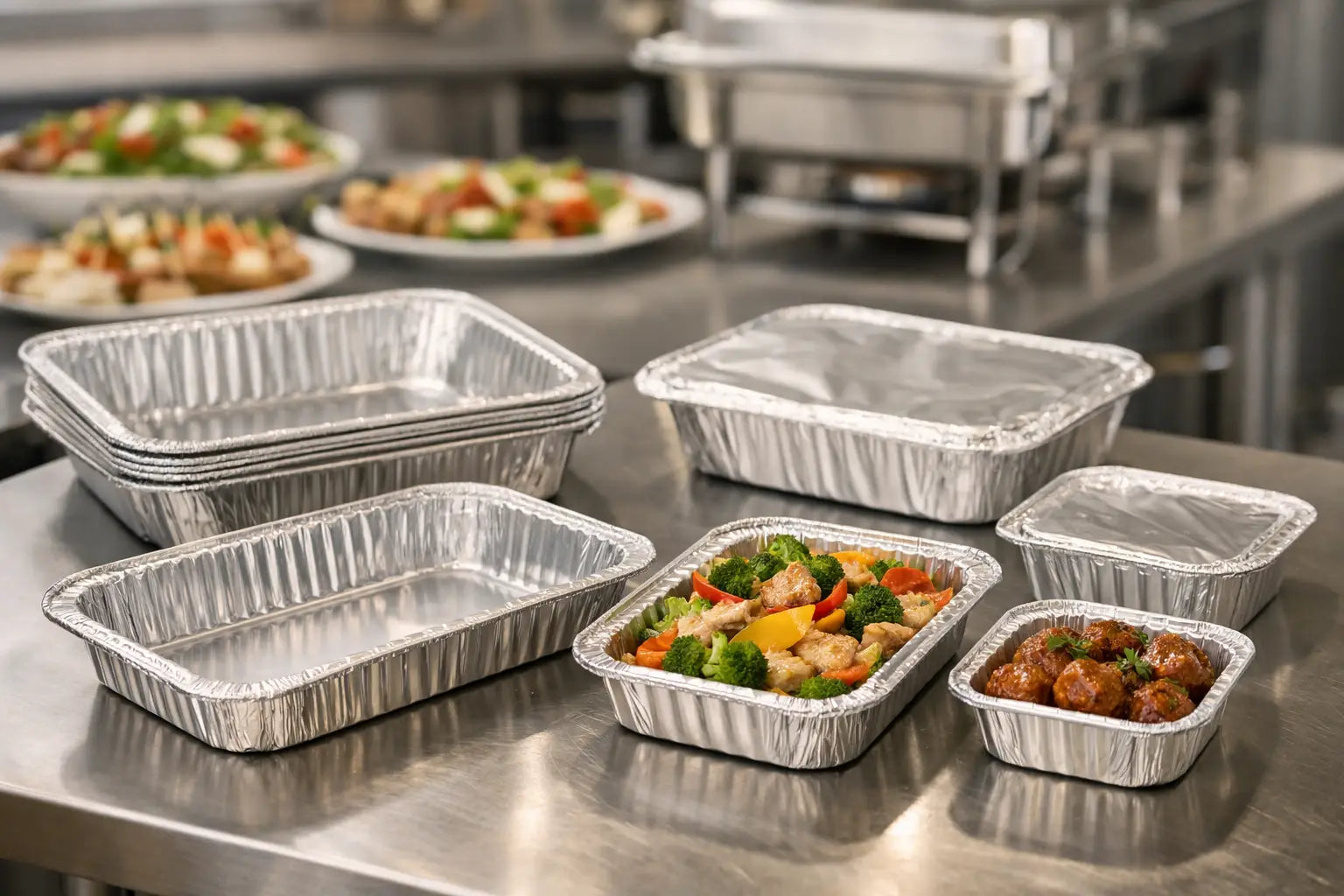
This is the category many households underestimate. Bin liners, disposable food containers, foil, and related support items help prevent mess in the first place. Leftovers store more cleanly, trash stays contained, and post-meal cleanup moves faster when the right disposables are available.
For families, hosts, and anyone managing gatherings, these products are not separate from cleaning. They are part of an efficient household system. White Pack serves this kind of practical need well because buyers can source cleaning and disposable essentials in one place instead of patching orders together across multiple shops.
How to buy household cleaning supplies without overbuying
The easiest mistake is shopping by category labels instead of real cleaning habits. If you rarely polish stainless steel but constantly wipe counters, spend more attention on your all-purpose cleaner and cloth supply than on niche products. If you host often, prioritize trash bags, disposable tableware support, and kitchen cleanup items.
It also helps to think in terms of replacement cycles. Some products are used daily, some weekly, and some only when a specific mess appears. Daily-use items should be easy to reorder and worth buying in practical quantities. Specialty items can stay limited.
Storage should guide your order size too. Bulk buying saves money only if the supplies stay clean, dry, and easy to access. For many households, the sweet spot is keeping enough stock for consistency without filling every shelf with duplicates.
Best cleaning supplies households choose for different needs
A smaller apartment may do well with a tight, multi-use kit: all-purpose cleaner, microfiber cloths, disinfecting wipes, sponges, trash bags, and a compact floor cleaner. A larger family home usually needs more volume and more backup stock, especially for bathrooms, floors, and kitchen cleanup.
Pet owners may need stronger odor control and more frequent floor cleaning. Frequent hosts often benefit from extra disposable support, paper goods, and kitchen cleanup supplies. The pattern is straightforward - the best setup is the one that matches traffic, mess level, and how quickly you need things done.
A well-stocked home does not need a complicated cleaning system. It needs dependable basics that work hard, restock easily, and support the way your household actually operates. Start with the supplies you reach for every week, build around real use, and make convenience part of the plan. Cleaning gets easier when the right products are already in place.