Cart
0
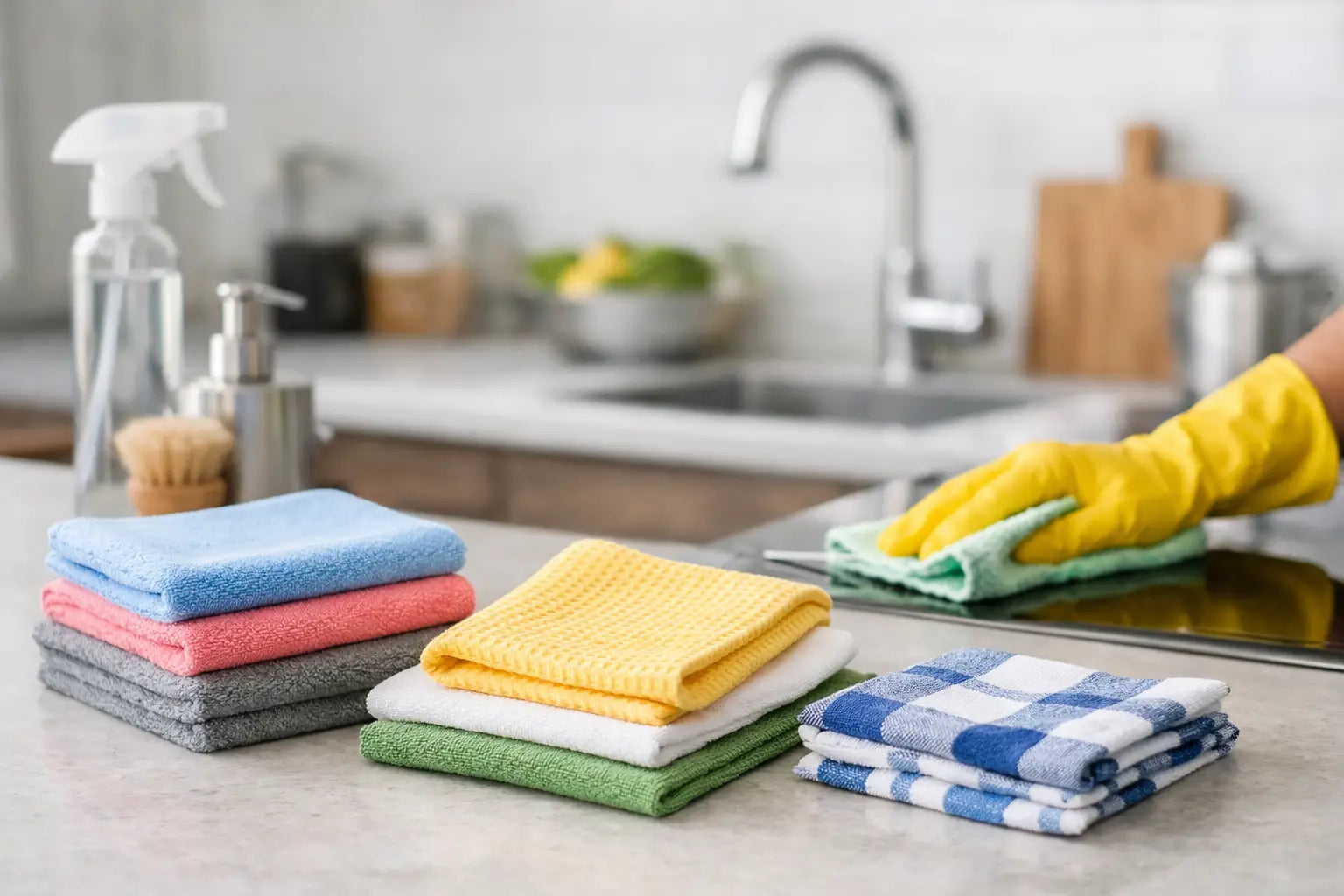
A kitchen cloth that just pushes grease around is not saving time - it is creating more work. Whether you are wiping prep counters in a busy food service setting or cleaning up after dinner at home, the best cleaning cloths for kitchens are the ones that match the job, hold up under repeated use, and help you keep surfaces genuinely clean.
That sounds simple, but cloth selection is where a lot of kitchens lose efficiency. Some cloths are great for absorbing spills but poor at removing oil. Others leave lint on glass, streak stainless steel, or start to smell after a day of hard use. If you are buying for a restaurant, office pantry, catering setup, or household, the right choice comes down to how your kitchen works and what you need from your cleaning supplies every day.
What makes the best cleaning cloths for kitchens?
Performance matters more than brand names or packaging claims. A good kitchen cloth should absorb quickly, lift food residue without excessive scrubbing, and rinse out without falling apart. It should also fit the pace of the space. A home kitchen may do well with a small rotation of reusable cloths, while a commercial kitchen often needs faster-turn, easy-to-replace options to support hygiene standards and high-volume cleanup.
The biggest factors are absorbency, durability, lint level, and how well the cloth handles grease. Softness matters too, especially on stainless steel, glass, and polished fixtures, but a soft cloth that smears oil is not much use near a cook line or prep station. In practical terms, the best cloth is the one that helps staff or household users clean faster with fewer passes.
The main types of kitchen cleaning cloths
Different materials perform differently, and that is where buying gets easier once you know the trade-offs.
Microfiber cloths
Microfiber is often the top choice for general kitchen cleaning because it traps fine particles, handles dust and crumbs well, and works on a wide range of surfaces. It is especially useful for stainless steel fronts, appliance exteriors, sealed counters, and light daily wipe-downs. A good microfiber cloth can also reduce the need for heavy chemical use because it grips dirt effectively with just water or mild cleaner.
The trade-off is grease. Some microfiber cloths do very well with oily residue, while cheaper versions tend to smear it. They also need proper washing to stay effective. In commercial use, that maintenance can be a drawback if staff are rotating through cloths quickly and consistency matters more than long-term reuse.
Cotton cleaning cloths
Cotton cloths are reliable for general wiping, drying hands, cleaning up moderate spills, and handling warm dishware. They are familiar, widely available, and comfortable to use. In kitchens that need a practical, low-cost solution, cotton still has a place.
The downside is lint and moisture retention. Cotton can stay damp longer than synthetic options, which makes it less ideal when hygiene and fast drying are priorities. It can also leave fibers behind on glassware, mirrors, or glossy surfaces.
Nonwoven disposable cloths
For many commercial kitchens, nonwoven disposable cloths are the most efficient choice. They are designed for quick use, straightforward replacement, and lower risk of cross-contamination when compared with overused reusable cloths. They work well for wiping counters, cleaning prep zones, handling spills, and supporting color-coded cleaning routines.
This is where operational needs matter. If your team is cleaning throughout the day and does not have time to manage laundering, disposable cloths can be the smarter buy. They may not feel as thick as premium reusable options, but they often win on convenience, hygiene control, and labor savings.
Cellulose and sponge cloths
These are strong absorbers and a smart option for heavy spill cleanup around sinks, coffee stations, and wet prep areas. They can hold a lot of liquid and wipe surfaces quickly, which makes them useful when speed matters.
They are less ideal for polished finishing work. Some leave streaks, and some wear down quickly with heavy scrubbing. Still, for wet messes, they often outperform standard fabric cloths.
How to choose the best cleaning cloths for kitchens by task
The easiest way to buy well is to stop looking for one cloth that does everything. Most kitchens run better with two or three cloth types matched to specific jobs.
For grease and food residue, choose a cloth with enough texture and strength to lift buildup instead of spreading it. In commercial food prep areas, disposable nonwoven cloths or strong microfiber options are usually the best fit. For soaking up water around sinks and dish areas, cellulose or absorbent cotton blends can be more effective.
For glass, chrome, and stainless steel, low-lint microfiber is usually the safer option. It leaves a cleaner finish and helps avoid streaking. For quick spill response during service or busy household cooking, highly absorbent cloths that can be replaced or rinsed fast make more sense than thicker cloths that stay wet too long.
If you manage a business kitchen, consider workflow before material. A cloth that performs well but slows down staff is not the best value. If you are buying for home, ease of storage and how often you want to wash cloths may matter more.
Reusable vs disposable cloths
This is not a one-size-fits-all decision. Reusable cloths can offer better long-term value when they are washed properly and used in a controlled routine. They work well in households, office kitchens, and lower-volume spaces where cloth management is easy.
Disposable cloths are often the practical choice for restaurants, catering teams, event setups, and high-traffic food service environments. They simplify sanitation, reduce the buildup of odors, and help teams stay consistent during busy shifts. They can also support task separation, which is useful if you want one cloth type for counters, another for front-of-house touchpoints, and another for spill cleanup.
If your priority is strict cost per use, reusable may look better on paper. If your priority is speed, hygiene, and dependable turnover, disposable often delivers stronger operational value.
Features worth paying for
Not every kitchen needs premium cloths, but some features are worth the extra cost because they reduce waste and improve cleaning results.
Higher absorbency saves time on spills. Better tensile strength means the cloth keeps its shape when wet. Low-lint construction matters if you clean display surfaces, appliances, or glass-front equipment. A cloth that rinses clean or wipes cleanly after one pass can also lower cleaner usage and reduce repeat effort.
Bulk packaging is another practical advantage, especially for business buyers. Buying kitchen cloths in larger quantities supports consistency, keeps supply rooms stocked, and helps avoid the last-minute scramble that disrupts operations. For households, multi-pack options are usually the sweet spot - enough to rotate through tasks without overbuying.
Common buying mistakes
One of the most common mistakes is choosing based only on softness. Soft cloths feel good in hand, but kitchen cleaning is about performance first. Another mistake is buying one type for every surface and every mess. That usually leads to poor results somewhere, especially with grease, glass, or heavy moisture.
It is also easy to underestimate replacement frequency. Even quality cloths lose effectiveness over time, and overused cloths can become a hygiene problem. If a cloth smells, smears, sheds, or stays stained after washing, it is no longer doing the job well.
For commercial buyers, the biggest mistake is ignoring labor. A slightly cheaper cloth that tears quickly or needs constant rinsing can cost more in time than a better-performing option bought in bulk.
A practical setup for most kitchens
For most households, a simple mix works best: microfiber for surfaces and appliances, an absorbent cloth for wet spills, and a backup option for dirtier jobs. That keeps daily cleaning efficient without overcomplicating storage.
For restaurants, offices, and catering operations, a stronger system usually pays off. Keep low-lint cloths for visible surfaces, high-absorbency cloths for wet stations, and disposable cloths for fast-turn sanitation tasks. That kind of setup supports cleaner results and a smoother workflow.
If you are sourcing kitchen essentials alongside packaging, serving supplies, or other operational basics, it makes sense to buy cleaning materials from a supplier that understands volume, consistency, and day-to-day practicality. That is why many buyers look for dependable assortments from one source rather than piecing orders together across multiple vendors.
The best kitchen cloth is not the one with the most claims on the label. It is the one that fits your space, your cleaning routine, and the pace you work at. Choose for the task, buy for the real volume you use, and your kitchen will stay cleaner with less effort.