Cart
0
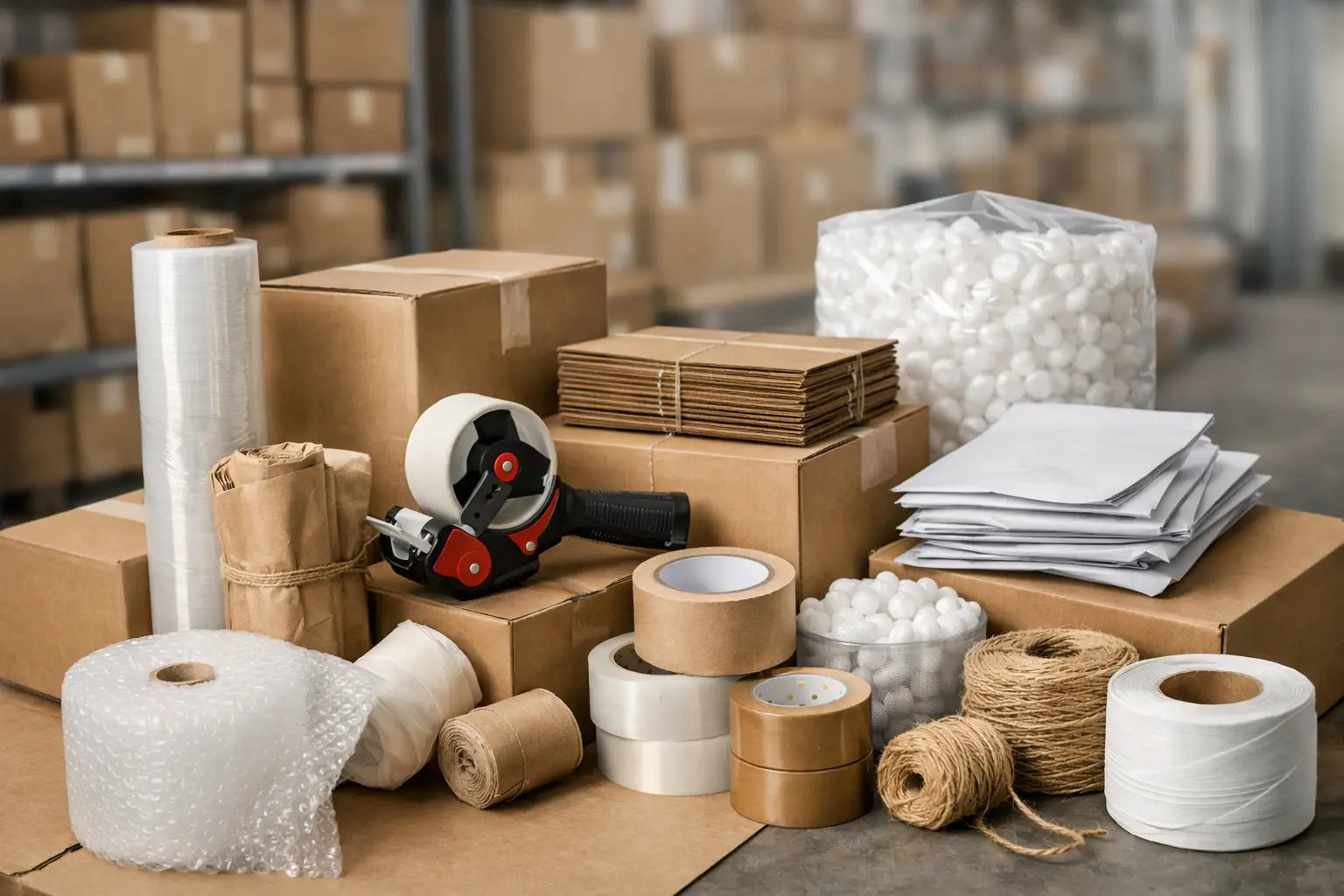
Running short on lids during lunch rush or realizing you do not have enough takeaway bags an hour before an event is the kind of problem that throws off the whole day. That is why bulk packaging supplies matter. When the basics are in place - containers, cups, foil, trays, bags, and wrap - service moves faster, storage stays organized, and last-minute buying becomes less of a habit.
For restaurants, caterers, offices, and event planners, packaging is not a side purchase. It affects speed, presentation, hygiene, and cost control. For households, it solves a different but equally practical problem: stocking up once for parties, meal prep, holiday gatherings, or everyday kitchen use without paying more for smaller quantities.
Why bulk packaging supplies make operational sense
Buying in volume is usually about more than price. The real value shows up in consistency. If your team uses the same microwave containers every day, portioning gets easier. If your office always has the same cups, straws, and cleaning essentials on hand, restocking takes less thought. If your household keeps a steady supply of foil pans, paper cups, and storage containers, hosting gets simpler.
There is also a time factor that buyers often underestimate. Ordering small quantities more often may feel flexible, but it creates repeated admin work. Someone has to notice low stock, compare options, place orders, receive deliveries, and put products away. Bulk purchasing reduces that cycle. Fewer orders usually means less interruption and better control over what is actually being used.
That said, bigger is not always better. The right order size depends on your storage space, your rate of use, and the shelf life or cleanliness requirements of the product. A busy takeout operation can move through cases quickly. A small office kitchen may need a more measured quantity. The goal is not to buy the most. It is to buy enough to stay prepared without tying up space or budget in slow-moving inventory.
Which bulk packaging supplies deserve priority
Not every item should be treated the same way. Some products are high-turn essentials and should almost always be stocked in larger quantities. Others depend more on seasonality, menu changes, or the type of event you are serving.
Food containers and lids
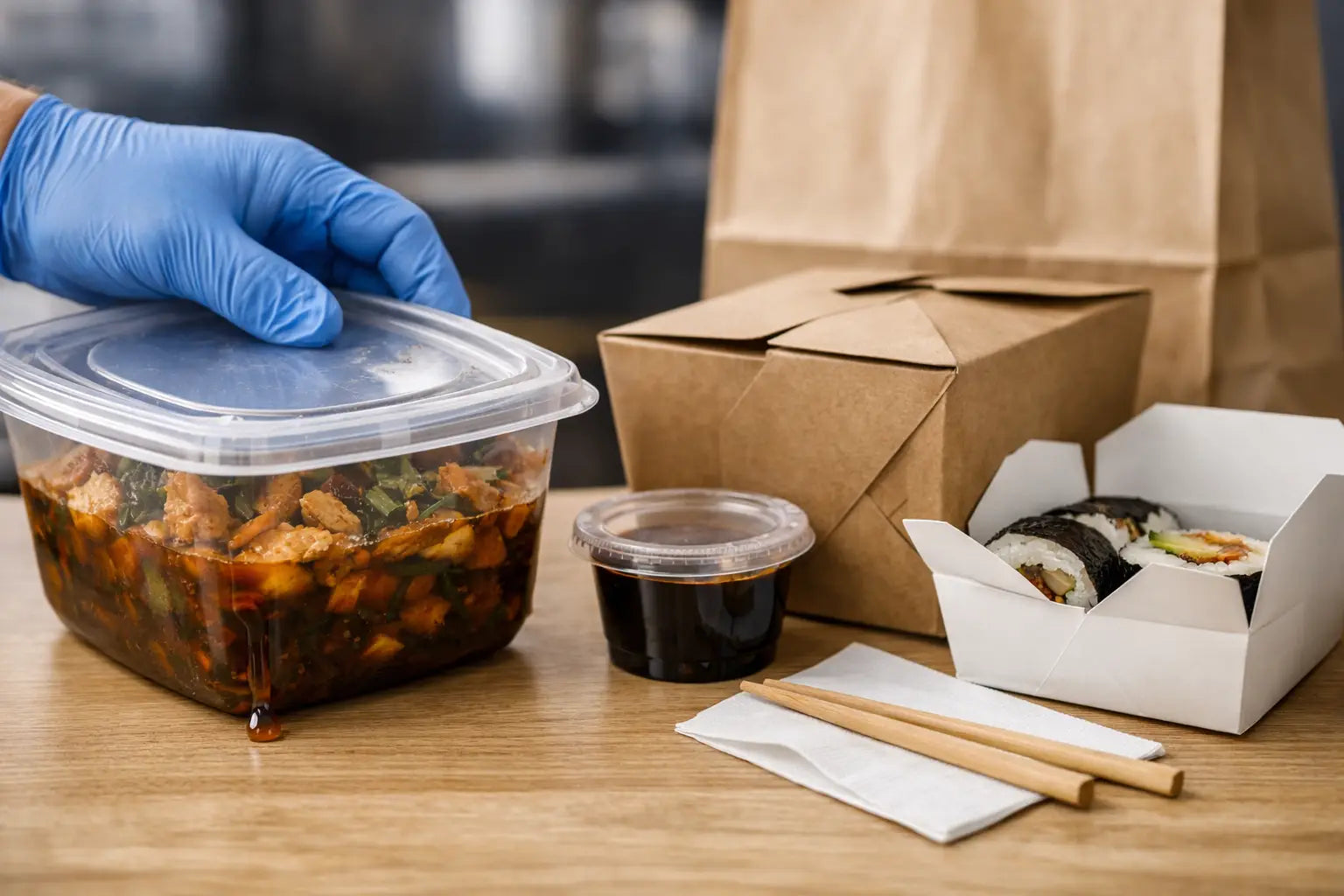
Containers are often the first place to start because they directly affect food quality, portability, and customer experience. Microwave containers, craft containers, aluminum containers, and trays all serve different needs. Hot foods need dependable heat tolerance. Saucy or oily foods need leak resistance. Meal prep and delivery orders need stackable shapes that store efficiently and travel well.
The lid matters just as much as the base. A container that performs well in the kitchen but leaks in transit creates waste and frustration. If you are ordering in bulk, match the container size to your most common portions rather than trying to make one format work for everything.
Cups, straws, and drink service basics
Paper cups and plastic cups move quickly in food service, offices, and events. They are simple products, but they affect speed and presentation. A flimsy cup can create spills. The wrong size can slow service if staff have to double-cup or adjust portioning. Buying these items in volume makes sense when demand is predictable, especially for coffee stations, catered events, and grab-and-go beverage service.
Straws, lids, stirrers, and similar accessories are easy to overlook until they run out. They are low-cost items, but they can interrupt service just as fast as a missing container.
Foil, wraps, bags, and carryout support
Aluminum foil, takeaway bags, and related wrapping products support both prep and delivery. Foil helps with cooking, holding temperature, and packing hot foods. Bags matter for transport, customer convenience, and order organization. If your operation handles delivery, pickup, or event service, these are everyday supplies, not occasional extras.
For household buyers, these same items are often the most useful place to buy in bulk. They get used in school lunches, leftovers, cookouts, holidays, and large family meals, so the value adds up quickly.
Trays, pots, and event-friendly disposables
Aluminum pots, serving trays, and disposable tableware are especially useful for catering, buffets, and group gatherings. These products make setup and cleanup easier while keeping service efficient. Bulk buying works well here if you host regularly or manage recurring events. If your needs are occasional, it may be smarter to buy moderate quantities and keep storage simple.
How to buy bulk packaging supplies without overbuying
The smartest buyers do not order based on guesswork. They order based on use patterns. Start with your fastest-moving categories and check how often you reorder them now. If you are replacing cups every week, bulk purchasing is probably overdue. If a specialty tray sits untouched for months, it may not need a full-case commitment.
Storage should shape the order as much as price does. Cases stacked in the wrong area can slow down operations, create clutter, and even damage products before they are used. Clean, dry, accessible storage matters, especially for food-service items. It is worth measuring shelf space before increasing order volume.
Product standardization also helps. Many businesses carry too many near-duplicate items - three cup sizes when two would do, multiple container types for similar menu items, or random one-off purchases from different vendors. Simplifying the mix can lower cost and make reordering easier. The fewer variables your team has to manage, the smoother daily operations tend to be.
What business buyers should look for in a supplier
Price matters, but it is not the only issue. A low price loses value quickly if the product quality is inconsistent or if common items go out of stock when you need them. Business buyers usually need three things from a packaging supplier: a broad assortment, reliable product performance, and a straightforward ordering process.
A broad assortment saves time because you can source more categories in one place. That means fewer separate orders for cups, foil, containers, bags, and cleaning basics. Reliable product performance reduces the small operational failures that cause bigger headaches later - weak handles, poor-fitting lids, containers that buckle, or cups that do not hold up.
Convenience matters too. Clear product categories, account-based ordering, and dependable delivery are not extras for busy buyers. They are part of what makes a supplier useful. White Pack is built around that kind of practical purchasing, with a wide mix of disposable, packaging, and cleaning essentials designed for both commercial and household buying.
Bulk packaging supplies for households and home events
Bulk buying is not only for restaurants and offices. For households, it makes sense when usage is regular or event-driven. If you host birthdays, holiday dinners, cookouts, school functions, or large family gatherings, stocking up on cups, trays, foil containers, bags, and cleaning supplies can save both money and stress.
There is also a convenience factor that matters for busy homes. Buying practical essentials in larger quantities means fewer emergency store runs before guests arrive. It also helps with meal prep, leftovers, packed lunches, and cleanup after gatherings.
The key difference is pace. A household may not need the same volume as a caterer, but the same buying logic applies. Focus on items you know you will use, choose quantities that fit your storage space, and avoid paying repeated retail markups on products that are always needed.
The trade-off between low cost and dependable quality
Every buyer wants better pricing, but the cheapest option is not always the lowest-cost option over time. Thin bags tear. Weak cups spill. Poorly sealed lids lead to product loss and customer complaints. Cheap packaging can create hidden costs through waste, replacement purchases, and service issues.
That does not mean you need the most premium option in every category. It means matching the product to the job. Everyday office cups may not need the same strength as hot soup containers for delivery. A basic tray may work for short-term use, while a heavier-duty option is better for transport or full-service catering.
Good bulk purchasing is really about fit. The right item at the right quantity usually performs better than buying the absolute lowest price or the largest case available.
Buying with fewer surprises
Bulk packaging supplies work best when they make your routine easier, not more complicated. If your order helps you stay stocked, reduce repeat purchasing, and keep service moving, it is doing its job. Whether you are running a food business, managing workplace supplies, planning events, or keeping your home ready for the next gathering, smart stock levels create breathing room.
The best supply decisions are rarely dramatic. They are the ones that prevent problems before they start and keep the day moving the way it should.