Cart
0
A busy prep counter can look clean and still create a food safety problem. A used towel, an unlabeled container, or a rushed handwashing step can transfer risk from one order to the next. This food service hygiene guide helps restaurants, caterers, event teams, offices, and home hosts build routines that protect food, staff, and customers without slowing service down.
Food Service Hygiene Guide: Start With Daily Control
Good hygiene is not one big cleaning task at closing time. It is a series of small controls repeated throughout receiving, storage, preparation, service, and cleanup. The goal is simple: keep food protected, keep high-touch areas clean, and make the right supplies easy for every team member to reach.
Start each shift by checking the areas that affect food safety most directly. Prep tables should be clear of unnecessary items, sinks should be stocked, sanitizer should be prepared according to its label, and clean utensils should be stored away from splash zones. If your operation uses disposable gloves, paper towels, food containers, cups, or takeaway bags, keep enough stock close to the work area so employees do not improvise when service gets busy.
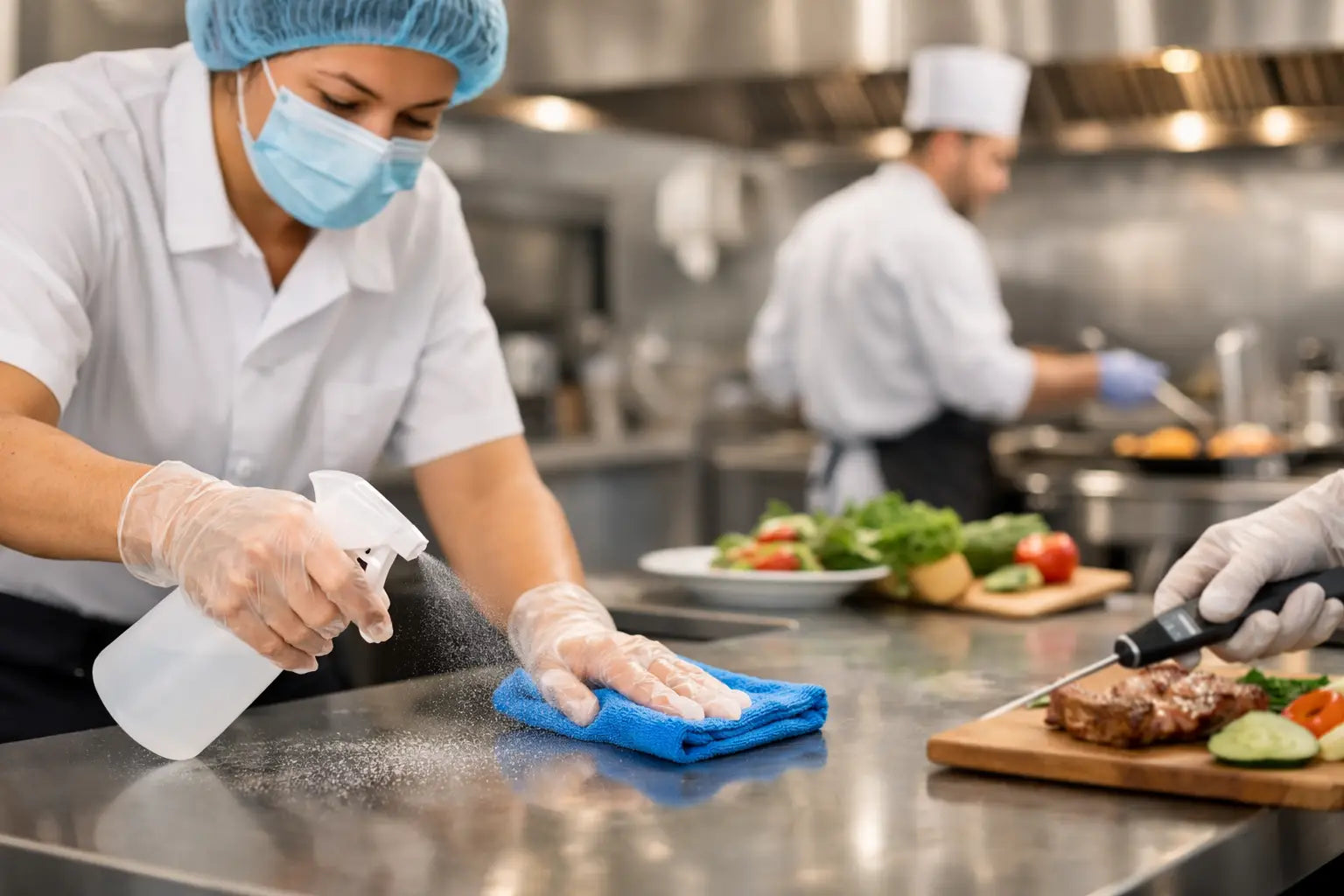
A clean-looking workspace is not automatically sanitized. Cleaning removes visible soil, grease, and food residue. Sanitizing reduces microorganisms on a properly cleaned food-contact surface. Both steps matter. Applying sanitizer to a dirty cutting board or counter will not deliver the result you need.
Build Handwashing Into the Workflow
Handwashing is one of the most effective controls in any food operation, but it only works when the handwashing station is convenient and consistently stocked. Employees need access to warm running water, soap, single-use paper towels, and a trash receptacle. A hand sink should never become a storage spot for cups, utensils, or cleaning tools.
Staff should wash hands before starting work, before putting on gloves, after handling raw food, after touching waste, after cleaning, after using the restroom, and after touching phones, money, faces, hair, or delivery packaging. Gloves are useful for certain tasks, especially ready-to-eat food handling, but they do not replace handwashing. Change gloves between tasks and whenever they are torn, contaminated, or used too long.
For small operations, the practical test is easy: can a staff member wash hands and return to work without walking across the kitchen or searching for supplies? If not, the setup needs attention.
Prevent Cross-Contamination Before It Starts
Cross-contamination often occurs because raw and ready-to-eat foods share space, tools, or storage. The solution is not always more equipment. Clear separation, labeling, and habits can make a major difference.
Store raw proteins below ready-to-eat foods in refrigerators so drips cannot contaminate items that will not be cooked again. Keep produce, cooked foods, and prepared ingredients in clean, covered containers. Label containers with the product name and preparation or opening date according to your local requirements and internal policy. Clear food storage containers and tightly fitting lids can also help teams identify contents quickly without repeated opening and handling.
During prep, use designated cutting boards, knives, and utensils for raw proteins and ready-to-eat foods. Color coding can help, particularly in kitchens with rotating staff or high-volume production. It is not enough to own separate tools - employees need to know the system and follow it during the busiest part of the day.
Pay attention to smaller sources of contamination as well. Scoop handles should stay above the food line. Ice should be handled with a clean scoop, never a glass or bare hands. Wiping cloths should be kept in properly prepared sanitizer solution when not in use, not left on counters or tucked into aprons.
Use Single-Use Items Wisely
Disposable supplies can support cleaner service when they are used for the right purpose. Paper cups, takeaway containers, lids, straws, cutlery, and food bags reduce the need for customers to handle shared serviceware. They are especially useful for takeout, delivery, catered events, office kitchens, and high-turnover counter service.
However, disposables still need hygienic storage. Keep cups and containers in their sleeves or protected dispensers until use. Store lids facing down or in covered dispensers, and handle items by the outside whenever possible. Do not place clean food packaging directly on wet counters, floors, or delivery boxes.
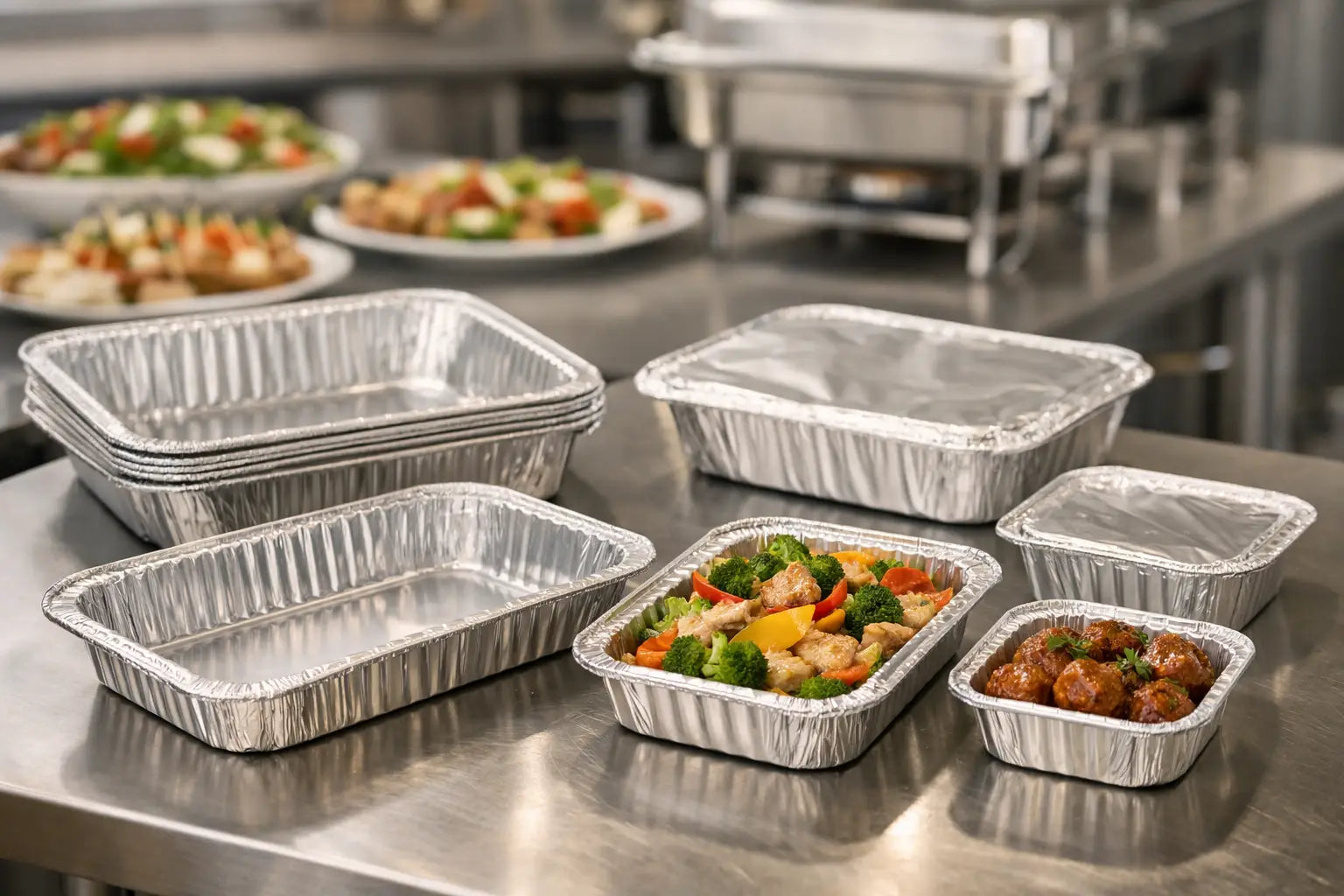
The best choice depends on your operation. A restaurant with dishwashing capacity may use reusable serviceware for dine-in while relying on dependable disposable packaging for takeout. A caterer may need portion cups, trays, foil containers, and serving utensils that make transport and cleanup more manageable. In either case, purchasing consistent supplies in the right quantities helps prevent last-minute substitutions that affect hygiene or presentation.
Create a Cleaning Schedule People Can Follow
Vague instructions such as “clean as needed” rarely produce reliable results. A practical schedule assigns what gets cleaned, how often it gets cleaned, which product is used, and who checks that the task is complete.
Some tasks must happen continuously during service. These include wiping and sanitizing food-contact surfaces between uses, removing spills promptly, clearing waste, and keeping hand sinks supplied. Other tasks fit naturally between shifts or at closing, such as cleaning equipment exteriors, floors, refrigeration handles, shelving, and waste bins.
For a reliable routine, separate work into four clear groups:
- Food-contact surfaces: Prep tables, cutting boards, utensils, slicers, containers, and serving tools need cleaning and sanitizing before use, between tasks, and after use.
- High-touch points: Door handles, refrigerator handles, faucet controls, POS screens, phones, and light switches need regular attention during the day.
- Floors and waste areas: Spills, grease, cardboard, and full trash bins can create slip hazards, attract pests, and make service areas harder to maintain.
- Deep-cleaning tasks: Equipment interiors, drains, walls, storage racks, and hard-to-reach areas should be assigned on a weekly or scheduled basis.
Keep Storage, Delivery, and Takeout Areas Clean
Hygiene does not stop at the kitchen door. Receiving areas, dry storage shelves, delivery stations, and customer pickup counters all affect food quality and customer confidence.
When deliveries arrive, inspect packaging for damage, moisture, pests, or temperature concerns before putting products away. Rotate inventory so older items are used first, and keep dry goods off the floor and away from walls where possible. Cardboard cases can bring dust and debris into prep areas, so unpack food and service supplies in a designated receiving or storage zone rather than beside active food preparation.
For takeout and delivery, use clean bags, containers, lids, and seals that match the food being packed. Hot foods need packaging that can handle heat and moisture. Saucy or liquid items need secure containers and lids. Cold foods should be kept separate from hot items when timing and travel conditions make temperature control difficult.
A neat pickup area also matters. Keep completed orders away from cleaning products, raw ingredients, and customer traffic. If customers collect items themselves, make labels easy to read and provide napkins, straws, and condiments in a controlled setup rather than leaving open boxes for repeated handling.
Train for Real Conditions, Not Perfect Conditions
A hygiene policy only works when it makes sense during a lunch rush, a catered event, or a short-staffed closing shift. Train employees using the actual layout of your operation. Show where gloves, towels, sanitizer, labels, trash liners, and clean containers are stored. Explain what to do when a utensil falls, a customer returns an item, a spill occurs, or a food container is damaged.
Short, repeated coaching works better than one long orientation session. Supervisors should correct issues early and explain the reason behind the rule. When staff understand that a labeled container protects both the customer and the business, the task becomes part of professional service rather than extra work.
It also helps to keep a simple record of cleaning checks, temperatures, and supply needs. This is not about creating paperwork for its own sake. It helps managers spot recurring issues, such as sanitizer running out during peak service or paper towels being stored too far from the hand sink.
Stock Supplies Before They Become a Problem
Running out of essentials creates pressure at exactly the wrong time. Teams may reuse gloves, stretch cleaning cloths too long, substitute unsuitable containers, or delay cleanup because the correct supplies are unavailable. A planned replenishment routine protects hygiene and keeps purchasing predictable.
Review usage patterns for paper products, gloves, food containers, foil, trays, cups, takeaway bags, cleaning chemicals, trash liners, and sanitizer tools. Event businesses may need extra stock before weekends or seasonal bookings, while restaurants should plan around delivery days and peak sales periods. White Pack helps businesses and households source these everyday essentials in one place, making it easier to keep service areas prepared without chasing supplies across multiple vendors.
The most effective hygiene system is the one your team can repeat every day. Keep the workspace organized, make clean supplies easy to reach, and treat each handwash, label, and sanitized surface as part of the service your customers receive.