Cart
0
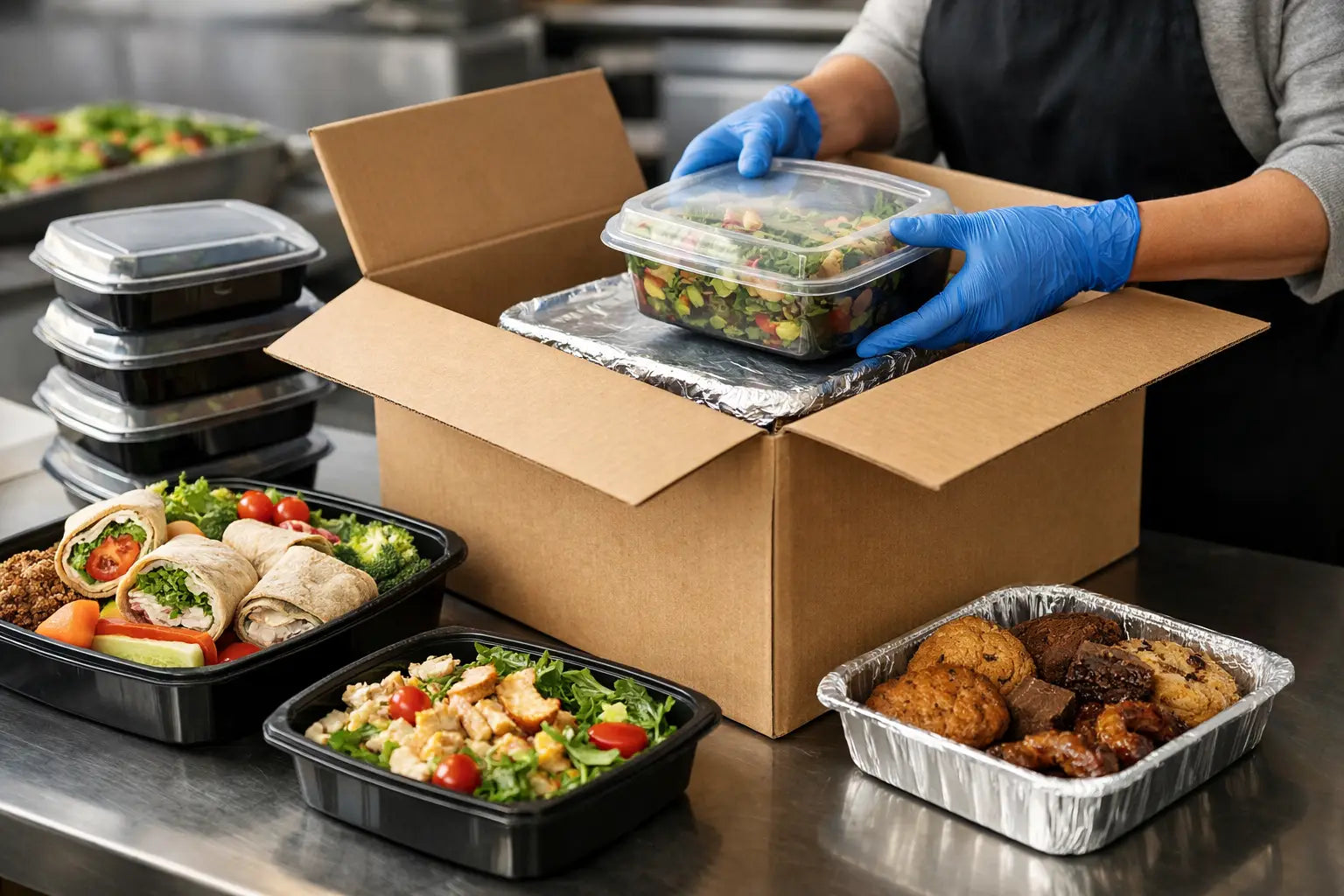
A catering order can be cooked perfectly and still disappoint the customer if it arrives spilled, soggy, or missing key items. That is why knowing how to pack catering orders matters just as much as food prep. Packing is where food quality, presentation, temperature control, and operational efficiency all come together.
For caterers, restaurants, event teams, and even households handling large gatherings, packing is not a side task. It is part of the service. A well-packed order protects the food, speeds up setup, reduces complaints, and helps staff stay in control when volume picks up.
How to pack catering orders without slowing down service
The best packing systems are simple enough to repeat under pressure. If your staff has to stop and think about which lid fits which tray, where sauces go, or how cold items should be separated, the process will break down during busy periods. Good packing starts before the first item is filled.
Begin with the menu. Not every food travels the same way, so each dish should have a packing plan based on temperature, weight, moisture, and serving style. Fried food needs ventilation or it softens. Saucy entrees need leak-resistant containers with secure lids. Cold salads need separation from hot trays. Items for immediate buffet setup may need different packaging than individually portioned meals.
It also helps to think in zones. Group hot foods together, cold foods together, dry disposables together, and serving supplies in their own section. This reduces confusion during loading and unpacking. It also lowers the chance of contamination or temperature loss.
Choose packaging based on the food, not just the price
Cost matters, especially for high-volume catering, but the cheapest container is not always the lowest-cost option. If it leaks, collapses, or fails to hold temperature, the real cost shows up in refunds, remakes, and lost repeat business.
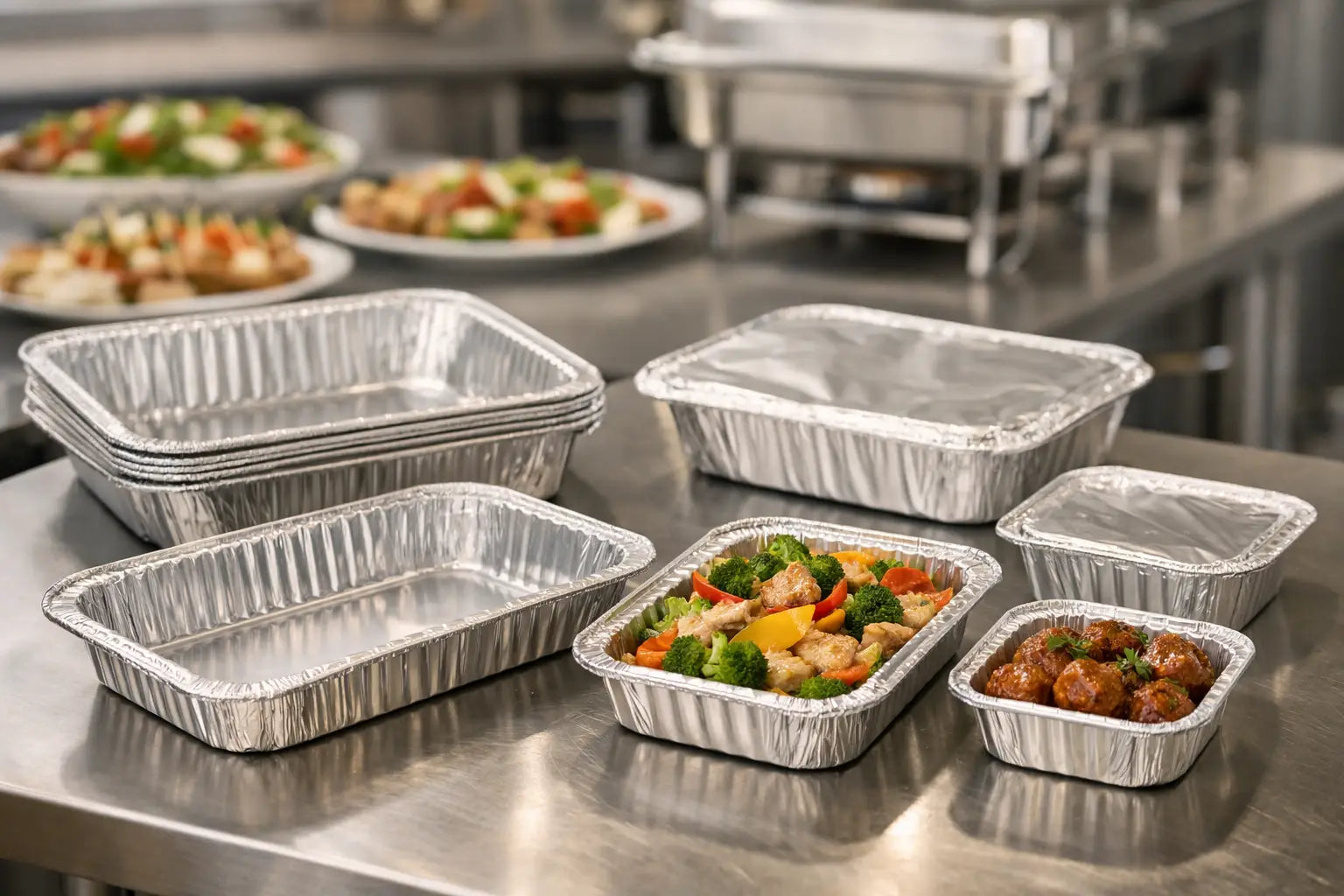
Aluminum containers are a strong option for many hot catering items because they handle heat well, stack efficiently, and work for oven-to-service applications. They are useful for pasta trays, roasted proteins, rice dishes, and baked sides. For items that need visibility or easier portion control, clear-lid containers can help staff and customers identify contents quickly.
Microwave-safe containers are often better for individual meals or smaller portions that may be reheated later. Kraft containers can work well for lighter foods and a cleaner presentation, but they are not ideal for every sauce-heavy dish. Cups, sauce containers, and deli-style containers are essential for dressings, dips, condiments, and toppings that should stay separate until service.
The right bag matters too. A strong takeaway bag with enough structure helps prevent shifting in transit. If the order includes multiple containers, trays, drinks, and extras, weak bags create avoidable risk. For heavier catering jobs, double-bagging or using cartons and trays for support is often the safer choice.
Build packing around temperature control
If you are learning how to pack catering orders for delivery or pickup, temperature control is one of the first things to get right. Hot food should stay hot, and cold food should stay cold. That sounds obvious, but many packing mistakes happen when both types are combined for convenience.
Keep hot and cold items separate from the start. Do not pack a chilled salad next to a hot pan of pasta and expect both to arrive in good condition. Use insulated carriers where possible, but even before transport, your container choice and staging area make a difference.
Hot foods should be packed as close to departure time as possible. If they sit too long after sealing, steam buildup can affect texture. That is especially true for fried items, grilled sandwiches, or roasted vegetables that can soften quickly. Some foods benefit from vented packaging, while others need a tight seal to prevent leaks and heat loss. It depends on the item.
Cold foods need stable lids, appropriate portioning, and enough space to avoid crushing. Desserts with toppings, fruit trays, and salads are particularly vulnerable if stacked carelessly. A few extra seconds in staging can save the order from arriving damaged.
Set up a packing station that supports speed and accuracy
A dedicated packing station makes a major difference. It does not need to be complicated, but it should be organized. Staff should have containers, lids, foil, cups, utensils, napkins, labels, bags, and order sheets within easy reach.
The biggest time loss usually comes from searching for supplies or fixing preventable mistakes. If lids are stored separately from matching containers or serving utensils are added at the last minute, errors increase. Keep your most-used packaging sizes closest to the packing line and restock them before peak service.
A strong station setup also supports consistency between team members. One person should not pack sauces inside hot trays while another packs them loosely in a side bag. Standardizing the process reduces confusion and creates a more reliable customer experience.
Label clearly so setup is easier for the customer
Packaging protects the food, but labeling protects the handoff. Large catering orders often include similar-looking containers, and customers may not know what goes where when they unload the order.
Each container should be labeled with the item name. If relevant, include details such as spicy, vegetarian, gluten-free, or cold item. For buffet-style orders, labels help event staff or hosts set food out faster without opening every tray. That keeps heat in and reduces handling.
It is also smart to label bags or grouped sets by category, such as appetizers, entrees, desserts, or service supplies. If a customer is receiving a large order with multiple drop points or courses, that level of organization saves time and reduces back-and-forth questions.
Pack supplies as carefully as the food
Many catering issues are not about the food at all. They come from missing forks, too few serving spoons, forgotten napkins, or cups packed underneath heavy trays. Every order should include a supply check that matches the service style.
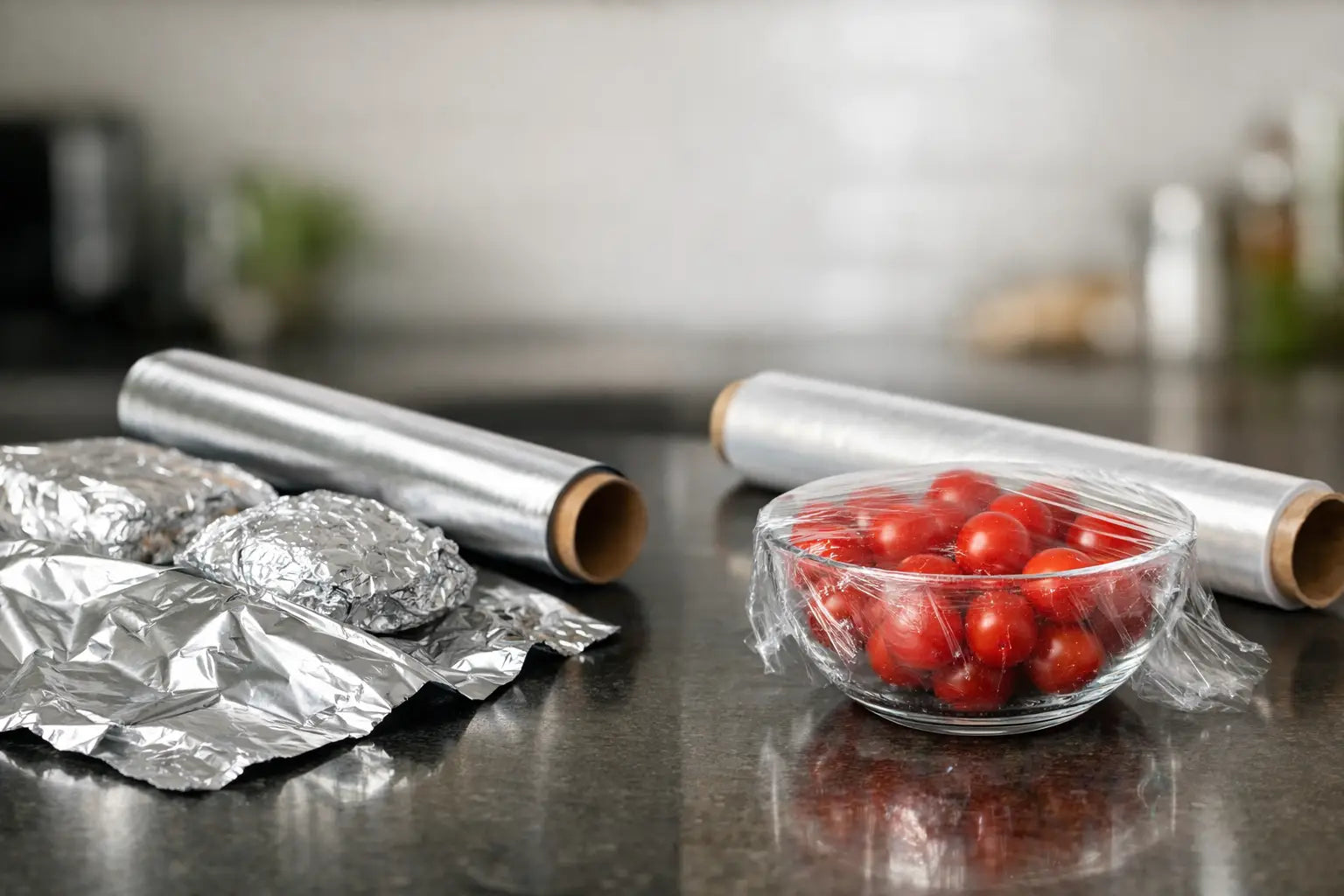
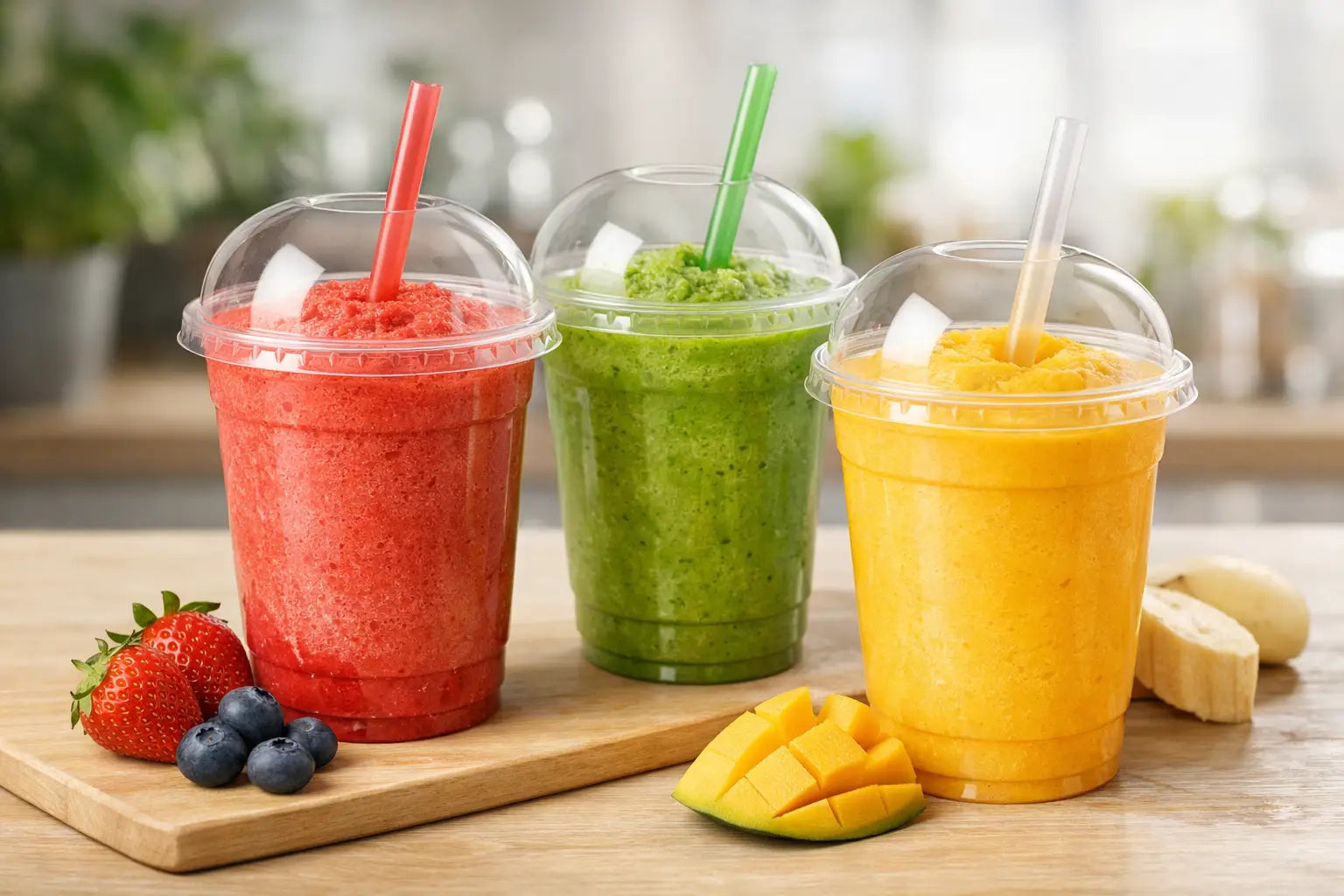
For buffet catering, think beyond containers. Customers may need serving utensils, plates, cups, straws, cutlery, portion cups, toothpicks, foil, or extra bags for cleanup. For office lunches or individual meals, portioned cutlery sets and clearly separated condiments make distribution faster.
Keep non-food supplies in a separate bag whenever possible. That makes them easier to find and protects them from spills. It also gives the customer one clear place to check before calling about a missing item.
Use a final check before the order leaves
Even experienced teams miss things when volume is high. A final check should be part of the process, not a backup plan. Match the packed order against the invoice or prep sheet and confirm item count, labels, utensils, condiments, and special requests.
This is also the time to check packaging integrity. Make sure lids are secure, bags are balanced, and heavier items are supported from the bottom. If a tray feels overfilled or unstable, repack it. It is better to use one more container than risk a spill in transit.
For delivery orders, loading matters almost as much as packing. Put heavier trays on the bottom, keep cold and hot items separated, and avoid stacking delicate desserts or salads under bulk items. If drinks are included, secure them so they do not tip during transport.
Common mistakes when packing catering orders
One of the most common mistakes is overpacking a single container to reduce packaging costs. That often leads to broken lids, spills, and messy presentation. Another is mixing foods that should stay separate, such as crisp toppings with hot entrees or dressings with salads.
Another issue is underestimating the importance of bag quality. A weak bag can fail at the exact moment a customer lifts it from the car or carries it into a venue. That kind of failure is memorable for all the wrong reasons.
Teams also run into trouble when they treat every order the same. A small family tray order and a 100-person office lunch need different packing logic. Volume, travel time, serving style, and menu composition should all guide the setup.
The best packing system is one you can repeat
If you want a practical answer to how to pack catering orders, it comes down to repeatable systems. Choose containers based on food performance, not guesswork. Separate hot from cold. Label everything clearly. Pack supplies intentionally. Check the full order before it leaves.
Reliable packaging is not just about appearance. It protects food quality, supports faster service, and gives customers confidence that the order is in good hands. For businesses handling recurring catering, that consistency is what turns one order into the next one.
When your packing process is clean, fast, and dependable, the whole job runs better - from the kitchen to the customer’s table.