Cart
0
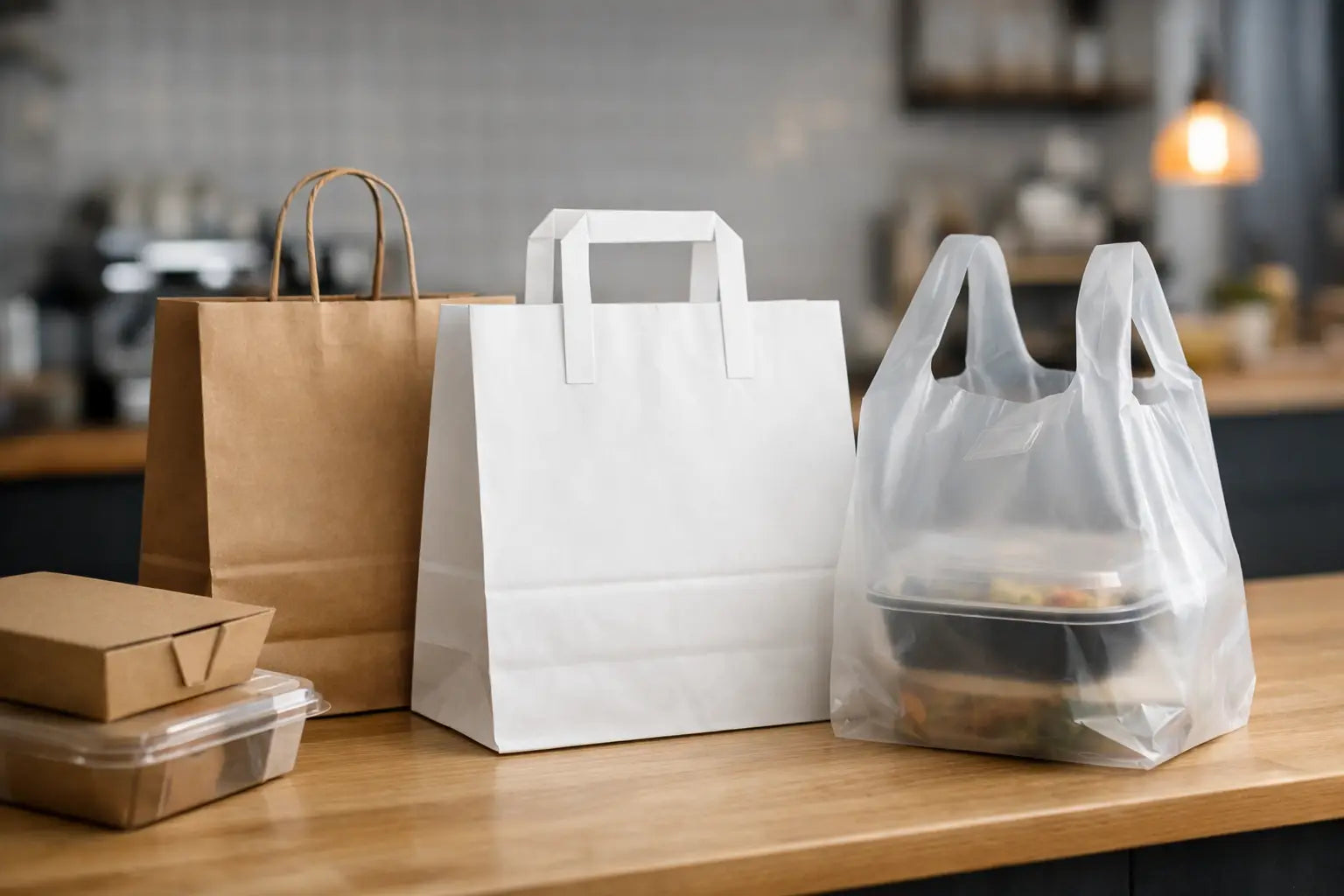
A leaking curry, a crushed pastry, or a torn handle can turn a good order into a complaint fast. If you are figuring out how to choose takeaway bags, the real goal is simple: keep food protected, presentable, and easy to carry without paying for more bag than you need.
How to choose takeaway bags for real service needs
The best bag depends on what you pack, how far it travels, and what customers expect when they pick it up. A coffee shop handling light breakfast items does not need the same bag as a restaurant sending out multiple hot containers, sides, and drinks. That is where many buyers overspend or run into performance issues - they choose based on appearance first and daily use second.
Start with the type of order you handle most often. If your business mainly sends single meal portions, compact bags help control packaging cost and reduce wasted space. If you regularly pack family meals or catering portions, larger takeaway bags with stronger bases and handles are the better fit. For home use, the same logic applies. A bag for party snacks or event leftovers should match the weight and shape of what you are carrying, not just look convenient on the shelf.
Match the bag to the food, not just the order size
Food type matters as much as portion size. Dry items like sandwiches, pastries, and boxed snacks are easier to pack than greasy, steamy, or spill-prone meals. If hot food creates condensation, a bag that feels sturdy at first can soften during transport. If containers are wide or stacked, a narrow bag can tip them sideways and increase the chance of spills.
For lighter and drier orders, standard paper takeaway bags usually do the job well. They are practical, cost-effective, and easy to store. For heavier meals, multiple containers, or orders with sauces, you need more structure. A stronger paper bag, a reinforced base, or a bag designed for bulkier takeaway packaging can make a noticeable difference during delivery and pickup.
This is also where shape matters. A tall bag works for stacked containers and boxed meals. A wider base works better for clamshells, trays, and larger food packs. If you choose the wrong proportions, staff will either struggle to pack the order or force items into the bag, which usually leads to damage.
Hot, cold, and mixed orders need different thinking
Hot food often brings steam, and steam affects bag performance. If the order includes fresh fried food, grilled items, or warm boxed meals, the bag has to hold up long enough without weakening. Cold orders raise different issues. Drinks, chilled desserts, and salad containers can create moisture on the outside, especially in warmer weather.
Mixed orders are usually the most difficult. A bag carrying hot food and cold drinks together may not be the best choice, even if everything technically fits. In many cases, separating items into two bags protects product quality better and improves customer handling. That may slightly increase packaging use, but it can reduce remakes, mess, and negative feedback.
Pay close attention to weight capacity
One of the most common buying mistakes is underestimating load. A bag may look thick enough, but if handles pull away under weight or the bottom sags, the problem shows up at the worst time - when the customer is already walking out the door.
When deciding how to choose takeaway bags, think in terms of your heaviest routine order, not your average one. If your average order is light but your peak dinner combinations are much heavier, buy for the heavier reality. That does not always mean using the largest bag available. It means selecting a bag with the right strength for the job.
For businesses, it helps to test a few real orders before committing to volume. Pack the same containers, add the same number of items, and lift the bag as a customer would. If the handles strain, the base bends, or the bag loses shape too easily, move up in strength or size. For households planning parties or events, the same quick test can prevent last-minute issues.
Choose the right material for cost and performance
Paper is a popular option because it is practical, familiar, and suits many food-service settings. It works especially well for bakery items, takeaway meals in containers, and general grab-and-go service. It also gives a clean, straightforward presentation.
But paper is not one-size-fits-all. Some paper bags are suited to lighter loads, while others are built for more demanding use. Thickness, handle construction, and base design all affect performance. A low-cost bag may look like a smart buy until it starts failing during busy service.
That said, stronger is not always better if it means unnecessary spend. If you run a business with a high volume of small, lightweight orders, using heavy-duty bags for every ticket can quietly increase packaging costs. The better approach is to match bag grade to order type. Some operations even keep two or three bag sizes and strengths on hand for better control.
Think about storage and packing speed
A bag can be strong and well-priced but still slow your team down. If it is hard to open, awkward to fill, or takes up too much storage space, it creates friction during service. In busy kitchens, cafes, and event setups, that friction adds up.
Choose takeaway bags that are easy to separate, quick to load, and simple to stack near the packing station. If your team handles rush periods, practical usability matters as much as product specs. The same goes for home hosts and event organizers. Easy handling makes setup smoother when you are packing food for guests or sending leftovers home.
Size selection should be intentional
Oversized bags waste material and let items slide around. Undersized bags lead to crushed packaging, split seams, and poor presentation. The right size keeps the order stable with minimal empty space.
A useful approach is to build around your most common container sizes. Measure the base dimensions of your regular takeaway boxes, bowls, cups, or trays, then compare that to the bag opening and bottom width. If the base of the bag is too narrow, containers will not sit flat. If the bag is too tall for a small order, customers may still manage it, but the presentation can feel careless.
For operations with varied menu formats, a small size range usually works better than trying to make one bag fit everything. A smaller bag for single meals and a larger one for group orders is often enough. That keeps purchasing simpler while giving staff better packing options.
Presentation still matters
Function comes first, but presentation affects how customers judge the order. A clean, sturdy bag suggests care and reliability. A bag that looks flimsy or overloaded can reduce confidence before the food is even opened.
This matters for restaurants, cafes, catering businesses, and event service providers. It also matters for households using takeaway-style packaging for parties, celebrations, or organized food distribution. The bag is part of the handoff. If it feels secure and looks tidy, the entire experience feels more professional.
You do not need flashy packaging to make a good impression. Consistency, fit, and reliability usually do more for customer satisfaction than decorative extras.
Buy for consistency, not just unit price
It is easy to compare takeaway bags by price alone, especially when ordering in bulk. But low unit cost does not help if the bag slows packing, fails under normal use, or forces you to double-bag heavier orders.
A better buying decision looks at the full picture: performance, packing speed, storage efficiency, and how often the bag fits your real orders without adjustment. That is the difference between buying cheap and buying well.
If you order regularly, dependable stock matters too. A practical supply partner such as White Pack can make purchasing easier when you need consistent packaging options alongside other day-to-day essentials. For many buyers, saving time on sourcing is just as valuable as saving money per case.
What to check before placing a larger order
Before you commit, review four basics: bag size, weight strength, handle quality, and suitability for your common food types. Then test with real containers, not estimates. This small step can prevent waste, repacking, and service issues.
If your orders change by season, review your bag choice the same way. Holiday platters, catering trays, and larger family meals may need a different size or stronger construction than your everyday menu. Buying with those peaks in mind keeps operations smoother.
The right takeaway bag does a quiet but important job. When it fits the food, carries the weight, and holds up through pickup or delivery, customers barely think about it - and that is usually a sign you chose well.