Cart
0
A spilled sauce cup, a soggy side dish, or a lid that pops open in transit can turn a good meal into a customer complaint. That is why choosing the right حلول تغليف للوجبات الفردية is not a minor detail. For restaurants, caterers, offices, and even households planning events, packaging affects food quality, speed of service, cost control, and the overall eating experience.
Why individual meal packaging matters more than most buyers expect
Single-serve meals place different demands on packaging than bulk food. Each container has to do more work on its own. It needs to protect portion size, hold temperature as well as possible, reduce leaks, and make the meal easy to carry, stack, and serve.
For a busy restaurant or meal-prep business, the right packaging also supports daily operations. Staff can pack faster when containers are easy to open, fill, and close securely. Orders stay more organized when mains, sides, sauces, and desserts each have a clear place. That matters during lunch rushes, delivery peaks, and large catering runs where delays quickly become expensive.
For households and event hosts, the same logic applies. If you are sending guests home with prepared meals or setting up grab-and-go portions, practical packaging keeps food cleaner, neater, and easier to handle. Good packaging reduces mess. Better packaging reduces waste.
Choosing حلول تغليف للوجبات الفردية by food type
The best packaging choice depends first on what you are serving. There is no single container that fits every meal equally well, and trying to standardize too aggressively can create problems.
Hot meals need structure and heat resistance
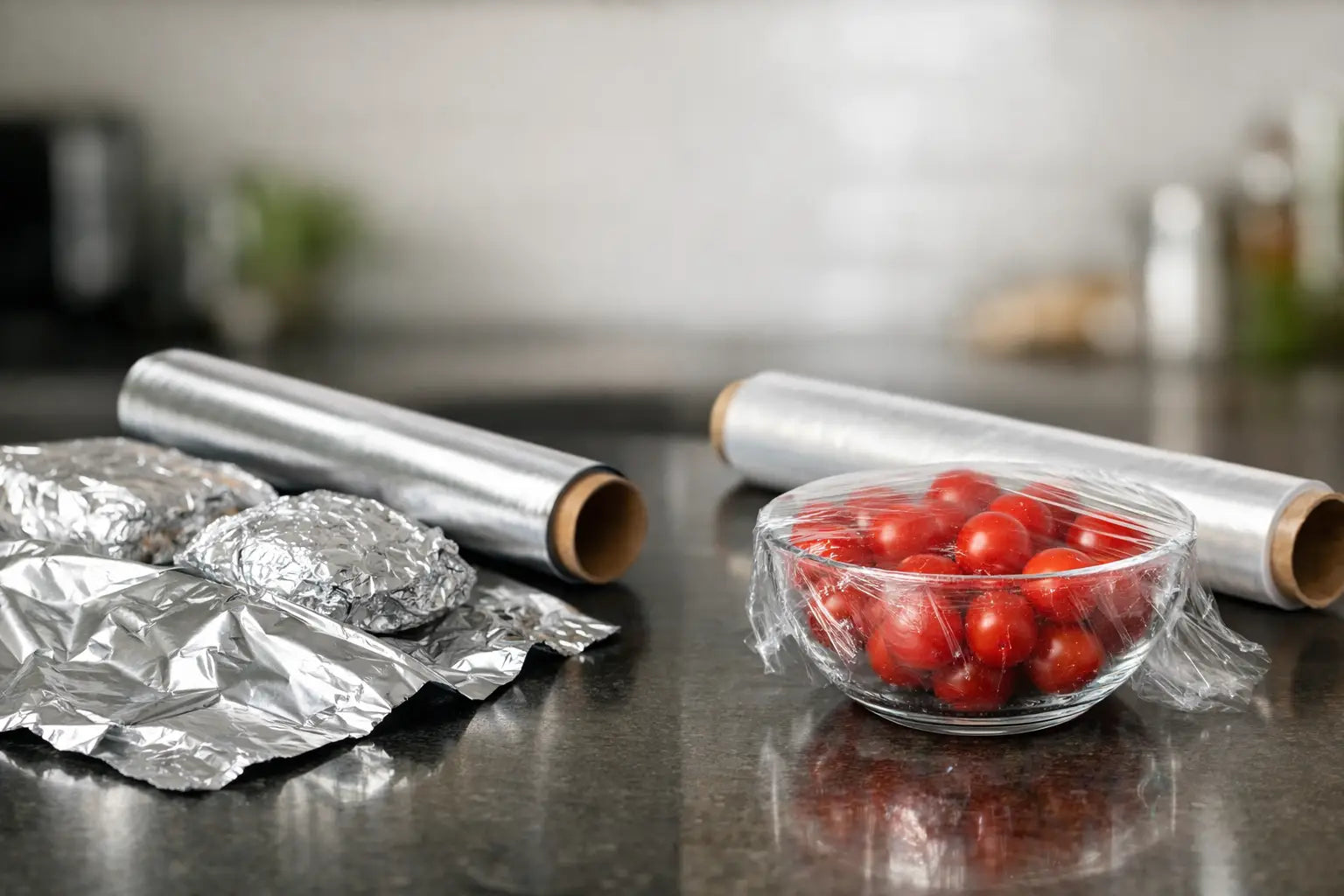
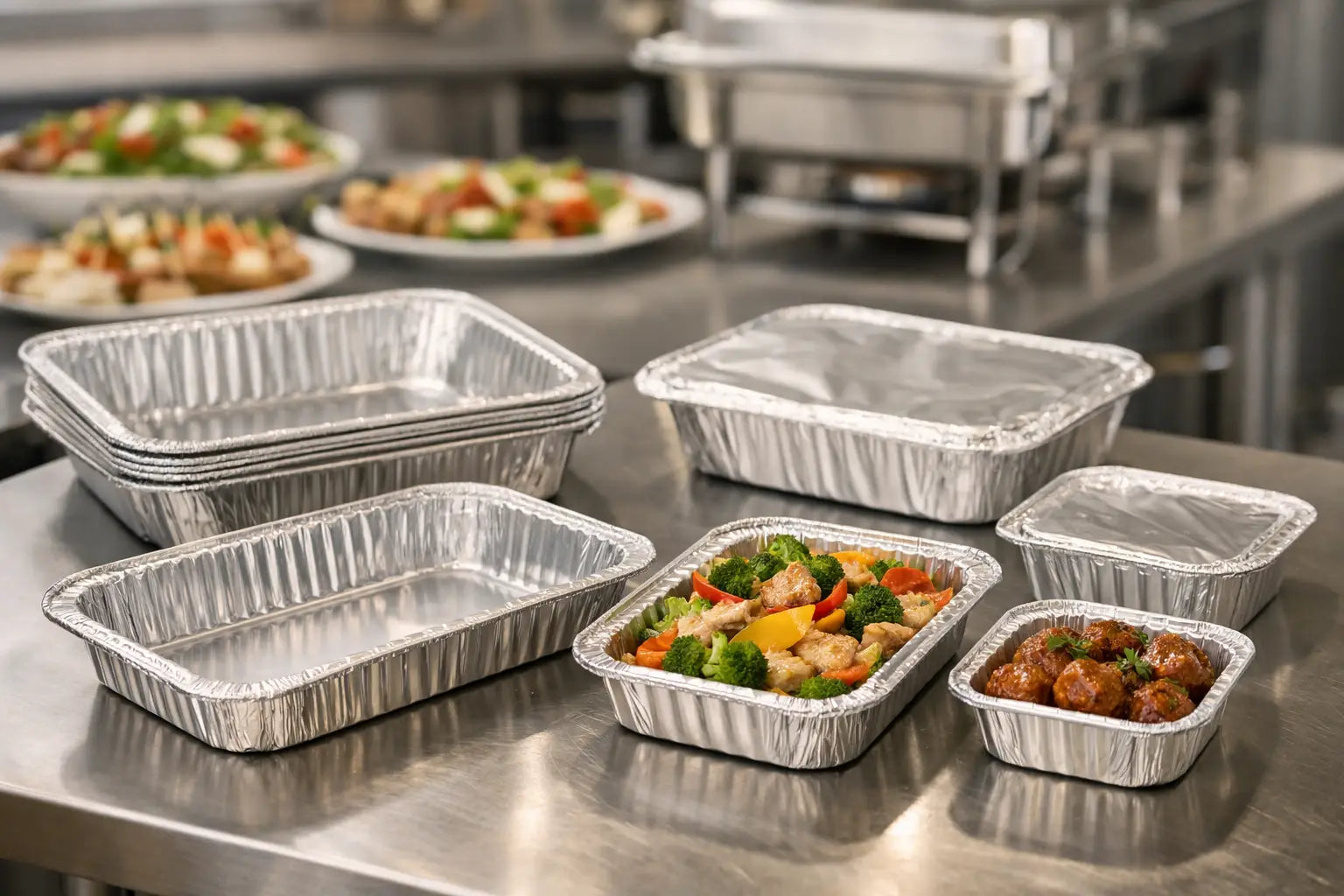
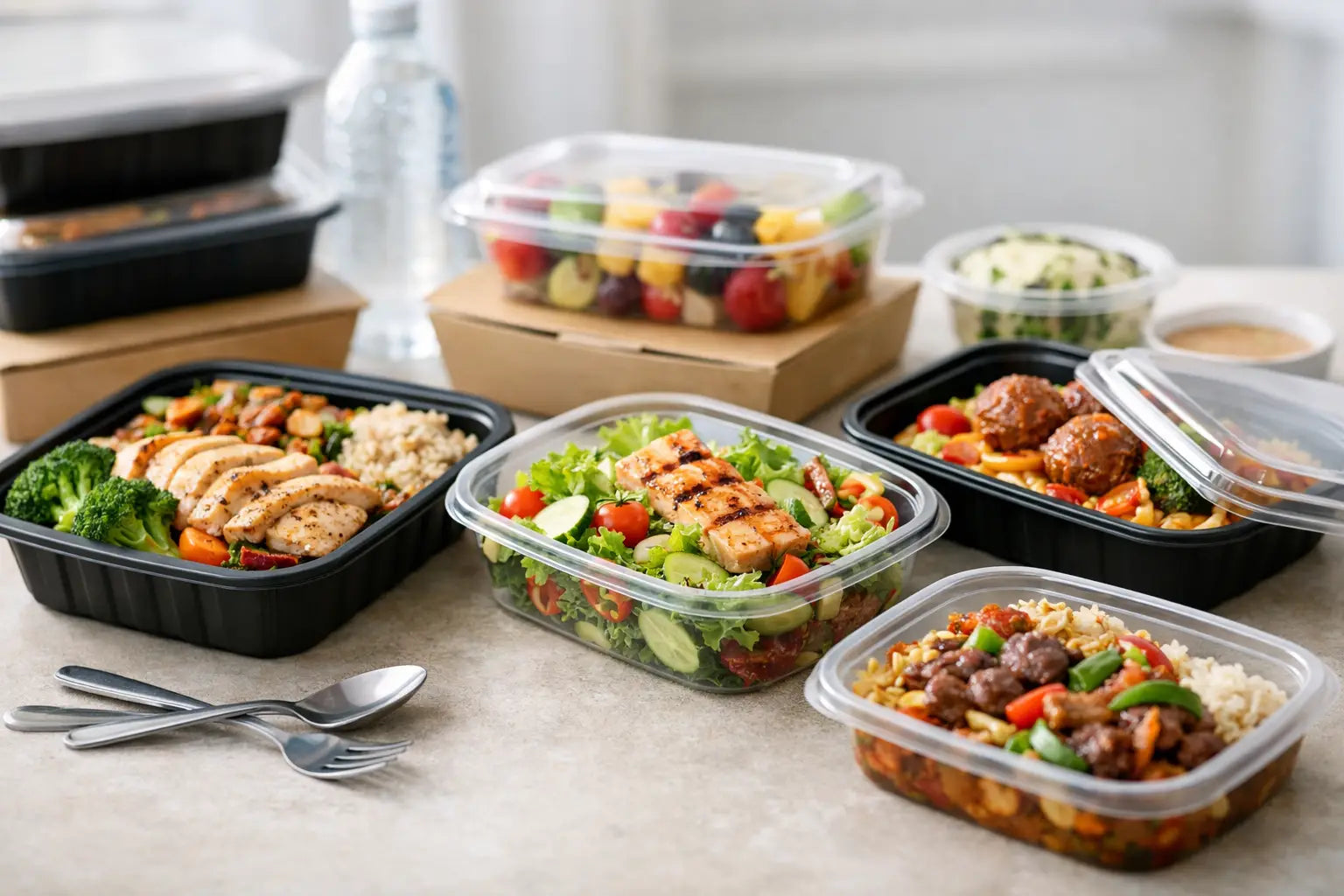
Rice dishes, pasta, grilled proteins, roasted vegetables, and mixed platters usually need containers that can handle heat without softening or warping. Microwave-safe containers are a strong option when customers may reheat later. Aluminum containers also work well for hot meals, especially when firmness, heat tolerance, and oven compatibility matter.
The trade-off is practical. Aluminum performs well with hot food and helps maintain shape, but it may not always be the first choice when customers want microwave reheating. Microwave containers are more flexible in that setting, but buyers should still check lid fit, wall strength, and resistance to oily or heavy foods.
Cold meals need clarity and presentation
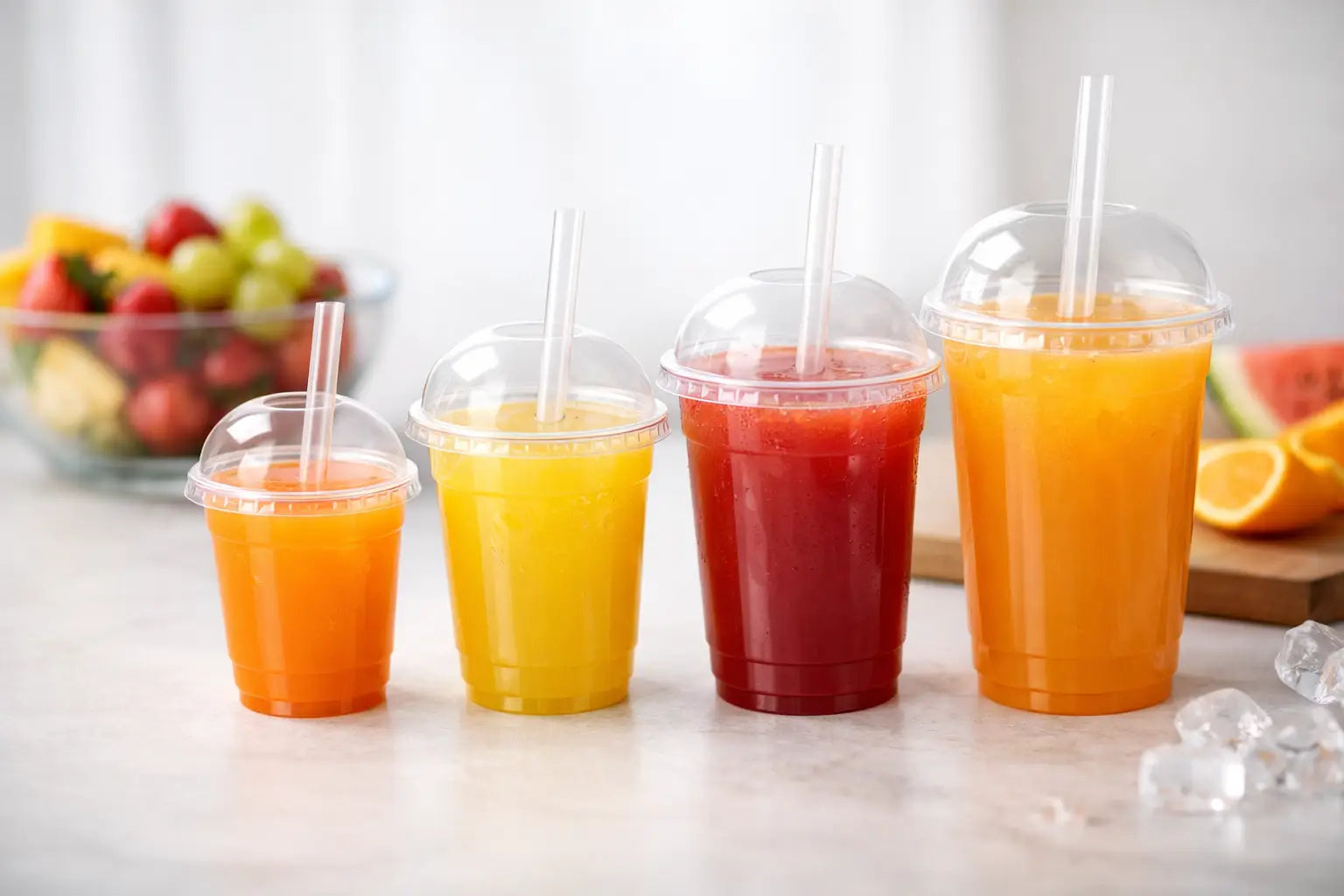
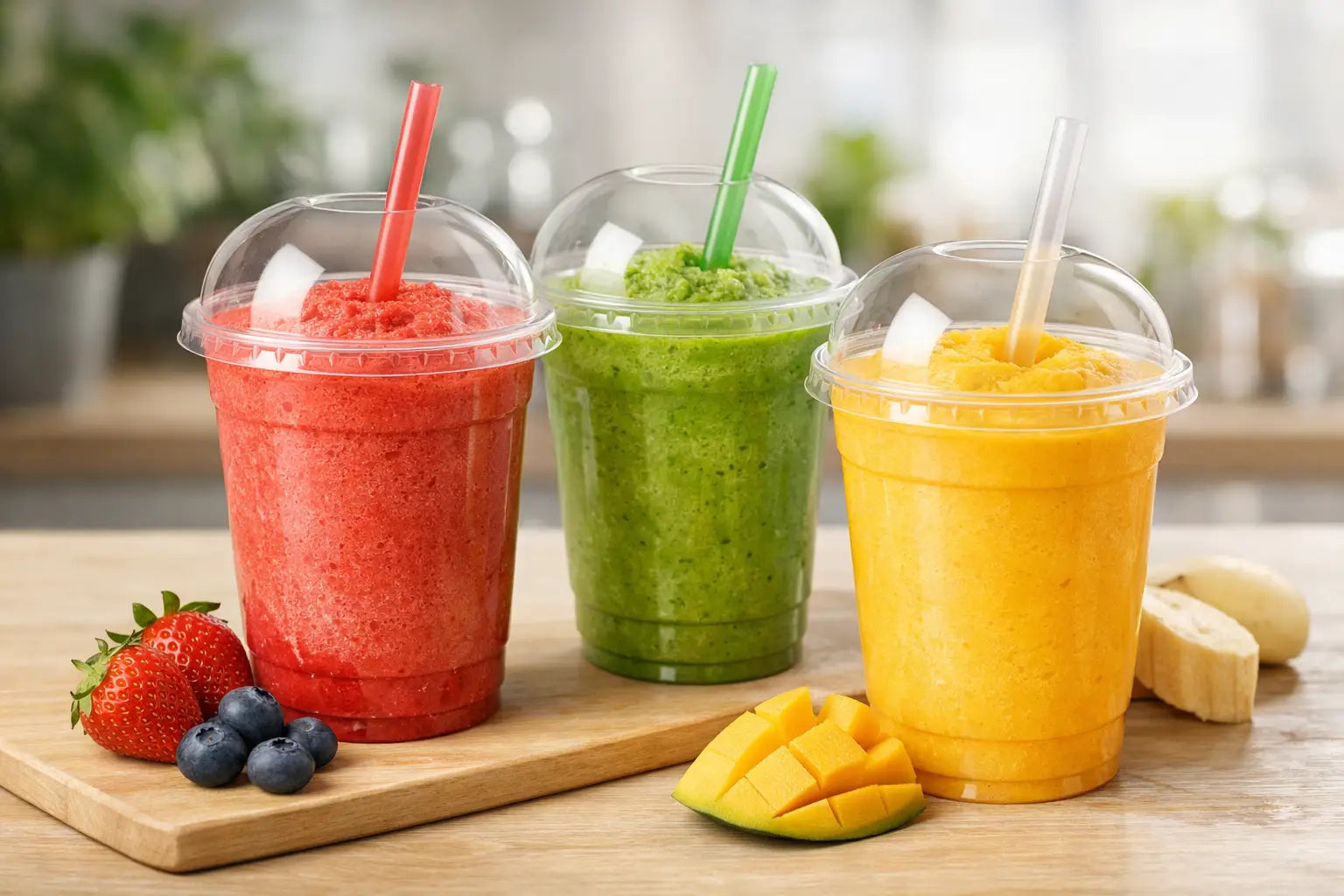
Salads, fruit cups, sandwiches, chilled desserts, and deli-style items benefit from packaging that shows the product clearly and keeps ingredients from being crushed. Craft containers and clear cups can work well when presentation matters as much as protection.
This is especially useful for cafes, corporate catering, and event setups where the meal is selected visually. If the food looks fresh and organized, customers are more likely to trust the quality before they even open the lid.
Saucy or layered meals need leak control
Meals with gravies, dressings, curries, dips, or marinated items need tighter sealing and more thoughtful compartment design. A standard shallow tray may be enough for dry foods, but it can become a problem for anything with movement inside the container.
In those cases, a deeper container or a secure-lid microwave tub is often the safer choice. Separate small cups for sauces can also improve results. That adds a component, but it protects texture and prevents the entire meal from becoming soggy before it is served.
The role of compartment containers in better meal service
Compartment trays are one of the most effective حلول تغليف للوجبات الفردية when meals include multiple items that should stay separate. Think of grilled chicken with rice and vegetables, breakfast platters, school lunches, office meals, or event portions.
The main benefit is consistency. Portioning becomes simpler for staff, which supports cost control and faster assembly. Customers also get a cleaner eating experience because flavors and textures stay more distinct.
Still, compartments are not always the right answer. If the menu changes often or portions vary by item, a fixed layout can become limiting. Some dishes fit better in open containers paired with side cups or wrapped extras. The right choice depends on how repeatable your menu is and how much flexibility your service model needs.
Material choice affects cost, convenience, and customer use
Many buyers focus first on price per unit, which is reasonable. But packaging cost should be measured against performance, not just sticker price.
Plastic microwave containers are often a strong all-around solution because they are practical, stackable, and easy for customers to reheat. Aluminum containers bring strength and heat performance, which makes them useful for baked meals, catering pans, and hot entrées. Paper-based and craft-style options can support lighter foods and a more casual presentation, especially for sandwiches, pastries, and dry snacks.
A cheaper container that leaks, collapses, or fails to stack properly can cost more in replacements, remakes, and customer dissatisfaction. On the other hand, over-specifying every meal in a premium container can push supply costs higher than necessary. The smart approach is to match container performance to actual menu needs.
Portion control is part of packaging strategy
Good packaging does more than carry food. It helps define portion size clearly.
That matters for restaurants controlling food cost, caterers managing event counts, and households trying to prep in advance. When the container size fits the intended meal, packing is faster and presentation looks more consistent. If the container is too large, food may shift during transport and appear underfilled. If it is too tight, lids may not close properly and the meal can lose visual appeal.
This is one area where standardization helps. Using a limited range of dependable sizes across your most common meal formats can simplify purchasing, storage, and packing routines. It also reduces confusion for staff who need to move quickly.
Transport and delivery change the packaging requirement
Packaging that works for counter pickup may fail during delivery. The farther the meal travels, the more important stability becomes.
A delivery-ready setup needs secure lids, containers that stack without sliding, and takeaway bags that support the load without tearing. If drinks, hot food, and sides are all part of the same order, the packaging system should work together instead of relying on one strong container to solve everything.
This is where many operations run into avoidable issues. They choose a decent food container, but pair it with a weak bag or poor internal arrangement. Results include tipped cups, crushed desserts, and meals that arrive looking rushed. Reliable service comes from thinking in sets, not single items.
Practical buying tips for businesses and bulk orders
When evaluating حلول تغليف للوجبات الفردية for commercial use, it helps to think beyond the product photo. Buyers should consider how the item performs during real service conditions.
Start with fill speed. Can staff pack it quickly during peak hours? Then consider lid security. Does it close firmly without repeated effort? Check stackability, especially if your team stages multiple orders at once. Finally, think about storage footprint. Bulky packaging may work well, but if it slows stock handling or takes too much back-room space, it creates a different cost.
Bulk buying also works best when tied to actual order patterns. A restaurant with high turnover on a few meal formats should stock deeper on those exact containers instead of spreading spend across too many variations. That reduces dead stock and makes replenishment easier.
For mixed-use buyers, including offices, event planners, and households, convenience matters just as much. It helps to source trays, cups, takeaway bags, foil items, and meal containers from one dependable supplier so routine restocking takes less time. That is part of why businesses often prefer a broad-line supplier like White Pack rather than piecing together orders from multiple places.
Presentation still matters, even for disposable packaging
Disposable does not mean careless. Customers notice when a meal looks organized, clean, and easy to handle.
A well-chosen container frames the food better. Clear cups show freshness. Neat trays reduce mixing. Proper lids make the meal look secure and professional. For office lunches, catering drop-offs, and event service, that visual order supports confidence before the first bite.
This does not mean every order needs premium presentation packaging. It means the packaging should fit the use case. A quick lunch combo has one requirement. A catered executive meeting has another. A family meal packed for takeaway has its own priorities. Good purchasing is about making those distinctions early.
What the best packaging decision usually looks like
In most cases, the best solution is not one container. It is a small, efficient packaging system built around your menu. That might mean a microwave-safe base for hot meals, a compartment tray for combination plates, a cup for sauces or desserts, and a dependable takeaway bag to complete the order.
That setup keeps operations simpler, helps meals travel better, and gives customers a more reliable experience. It also makes reordering easier because you know which items truly support day-to-day service instead of just looking good in a catalog.
The most useful packaging is the kind that keeps food protected, service moving, and buyers from having to solve the same problem twice.