Cart
0
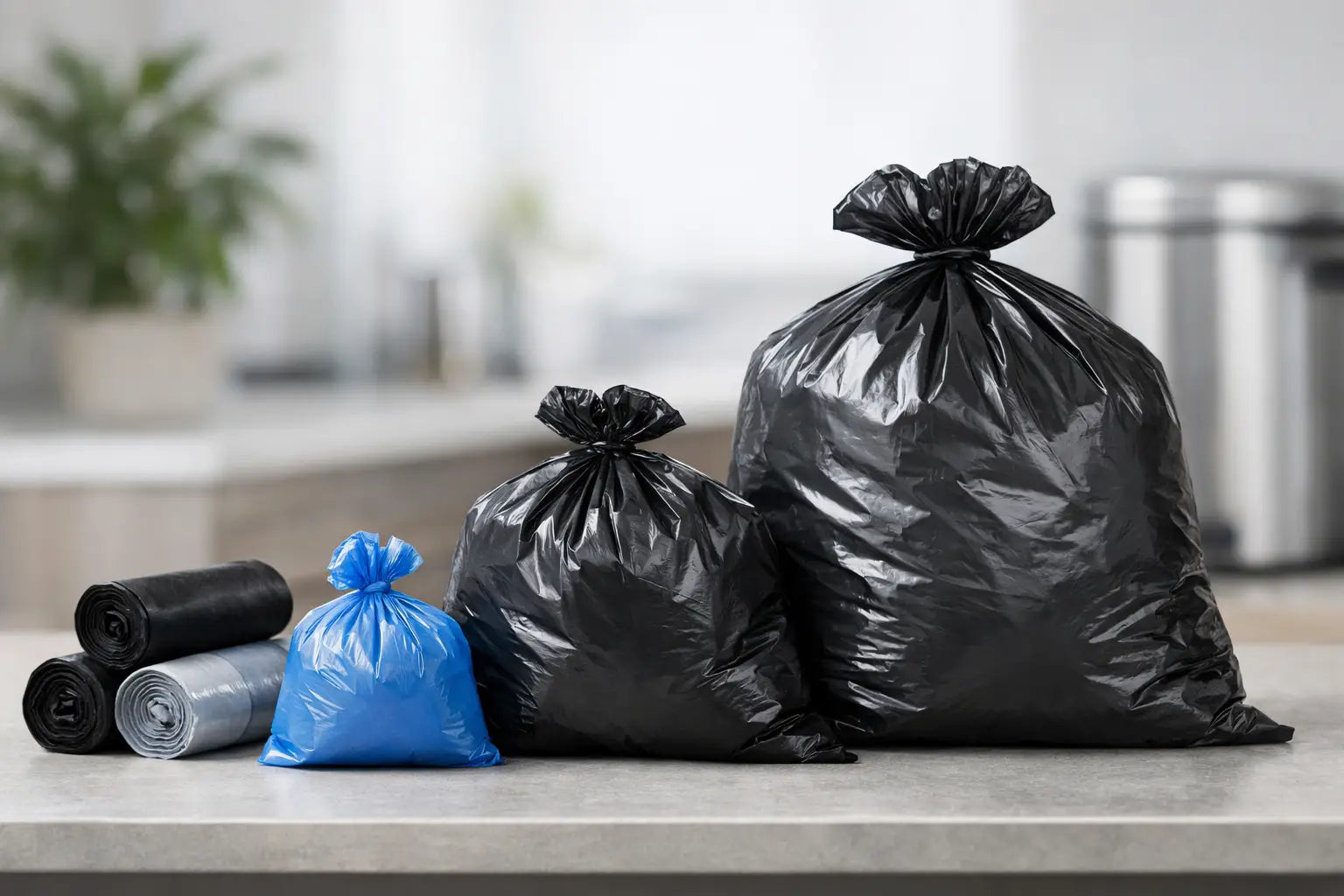
A trash bag usually gets noticed only when it fails. It tears at the bottom, leaks into the bin, or slips down under a heavy load right when the shift is busy or guests are arriving. That is why choosing the right أكياس نفايات is less about a basic supply purchase and more about keeping cleanup faster, cleaner, and more predictable.
For restaurants, offices, event setups, and busy homes, the right bag saves time every day. It reduces mess, cuts wasted replacements, and helps bins stay sanitary without extra effort. The wrong bag does the opposite. It creates avoidable friction in places that already move fast.
Why أكياس نفايات matter more than most buyers think
Trash bags are one of those operating essentials that affect both cleanliness and efficiency. If you run a food service operation, you already know waste builds up quickly across prep stations, service counters, restrooms, and back-of-house areas. At home, the pattern is different, but the issue is the same. You want something dependable that holds daily waste without leaks, odors, or frequent bag changes.
This is where buyers often make a simple mistake. They shop by price alone, then end up paying more through torn bags, double bagging, and staff time spent cleaning spills. A lower upfront price can still be the more expensive option if the bag does not match the job.
A better approach is to buy based on use case. Capacity, thickness, bag style, and waste type all matter. Once those are aligned, the result is straightforward - smoother handling, cleaner bins, and better value over time.
Start with the bin, not the bag
The easiest way to buy the wrong trash bag is to guess the size. Bags that are too small stretch and split. Bags that are too large bunch up, slide into the can, and look untidy.
Measure the bin first. For round bins, look at diameter and height. For rectangular bins, focus on width, depth, and height. The goal is a bag that fits over the rim with enough overhang to stay in place, while still providing room for the load inside. If your bins are used heavily, especially in commercial settings, a little extra height can help with tying and lifting.
In household kitchens, standard sizes often work fine because waste is lighter and more predictable. In restaurants, catering operations, or office pantries, sizing needs to be more deliberate. Overflow and high turnover mean the fit has to support speed as much as cleanliness.
Thickness matters, but only in context
One of the biggest buying questions is how thick the bag should be. The answer depends on what is going into it.
Light office waste, paper products, and dry household trash typically do not need the heaviest gauge. In those cases, using an overly thick bag can raise your supply cost without adding real benefit. On the other hand, if your waste includes food scraps, wet materials, sharp packaging edges, or heavier mixed loads, a thin bag can become a daily problem.
A stronger bag is usually the better choice for commercial kitchens, events, janitorial use, and outdoor bins. It handles more weight, resists punctures better, and lowers the risk of leaks. That reliability matters when the bag is being carried through customer-facing spaces or loaded during a busy shift.
The practical rule is simple. Match light-duty bags with light-duty waste, and reserve heavier-duty bags for bins that face weight, moisture, or sharp contents. Buying all bags at the highest strength is not always efficient. Buying all bags at the lowest price is even less efficient.
Consider the type of waste you handle
Not all trash behaves the same. A bag that performs well in a restroom bin may fail in a prep area. A liner that suits office paper may not hold up to takeout containers, liquid residue, or broken-down packaging.
Food service businesses often need a mix of options. Front-of-house bins may collect lighter waste, while kitchen bins handle wet and heavier material. Restrooms need liners that are easy to replace and present neatly. Outdoor cans may need stronger bags that can handle weather exposure and bulkier loads.
Homes also benefit from using more than one type. A kitchen bag should usually be tougher than a bedroom or bathroom liner. If you host often, manage large family cleanups, or rely on disposable serving supplies during gatherings, having the right bag sizes on hand makes cleanup quicker and less stressful.
Black, clear, or something else
Color is not just cosmetic. It changes how the bag gets used.
Black bags are popular because they conceal waste well and keep bins looking cleaner. They work especially well in back-of-house operations, janitorial use, and high-volume household cleanup. Clear bags, by contrast, allow easy visibility of contents. That can be useful in offices, certain commercial settings, or situations where sorting and inspection matter.
The best choice depends on the environment. If appearance and concealment matter more, black is usually the practical option. If monitoring contents is part of operations, clear may be the better fit. For many buyers, a combination works best.
High-volume buyers should think beyond unit price
If you purchase supplies for a restaurant, hotel, office, or event business, the buying decision should not stop at price per roll or case. Consistency matters just as much.
A trash bag that changes quality from one order to the next creates operational risk. Staff notice when a bag tears more easily or fits differently. It slows down routines and increases waste. Reliable supply, stable specifications, and case-friendly purchasing become more valuable than a small short-term saving.
This is also why many buyers prefer ordering disposable and cleaning essentials from one source. It simplifies replenishment and reduces the time spent chasing separate vendors for everyday necessities. For businesses that move fast, convenience is not a bonus. It is part of cost control.
What households should look for in أكياس نفايات
Home buyers usually need a balance of affordability and reliability. The bag has to hold up to daily kitchen use, occasional heavier loads, and general cleanup without becoming a premium purchase.
A good household trash bag should fit common bin sizes, tie easily, and resist leaks from routine food waste. If you are shopping for parties, holidays, or family events, it helps to size up slightly and keep extra rolls available. Cleanup tends to move faster after gatherings, and underestimating trash volume is common.
It also makes sense to keep smaller liners for bathroom and bedroom bins rather than using one oversized bag for everything. That approach is usually more efficient and looks better in smaller cans.
Common buying mistakes to avoid
Most problems with trash bags come from a few predictable choices. One is buying by price only. Another is assuming all bags of the same size perform the same way. They do not. Material quality, thickness, sealing, and load tolerance vary more than many buyers expect.
Another mistake is ignoring the actual waste stream. Sharp edges from food trays, heavier leftovers, and wet waste place very different demands on a bag than paper towels or dry packaging. The closer your bag matches the real conditions, the fewer issues you will have.
Overbuying one universal option is also not always the smartest move. If your operation has different stations or your home has different bin sizes, using more than one bag type can improve efficiency and reduce waste.
A practical way to choose the right option
If you want a simple purchasing method, start by identifying where the bag will be used, how much waste the bin holds, and whether the contents are light, wet, heavy, or irregularly shaped. Then choose the size that fits securely and the strength that matches the load.
For kitchens and commercial use, lean toward durability. For lighter indoor use, prioritize fit and value. For events or seasonal peaks, buy with extra volume in mind rather than trying to stretch your regular stock.
That approach keeps the decision practical. You are not buying a generic product. You are choosing a supply item that supports hygiene, speed, and daily workflow.
One small supply choice that affects the whole cleanup routine
Trash bags are easy to overlook because they sit in the background of the operation. Yet they influence how clean a space stays, how quickly teams work, and how often simple tasks turn into avoidable messes. Whether you are stocking a restaurant, replenishing office supplies, planning an event, or managing a busy home, better أكياس نفايات make everyday cleanup easier in a way you notice immediately when the bag is right.
When a supply item gets used every day, dependable performance matters more than it seems at first. Choose for the real job, not just the shelf price, and cleanup becomes one less thing to worry about.