Cart
0
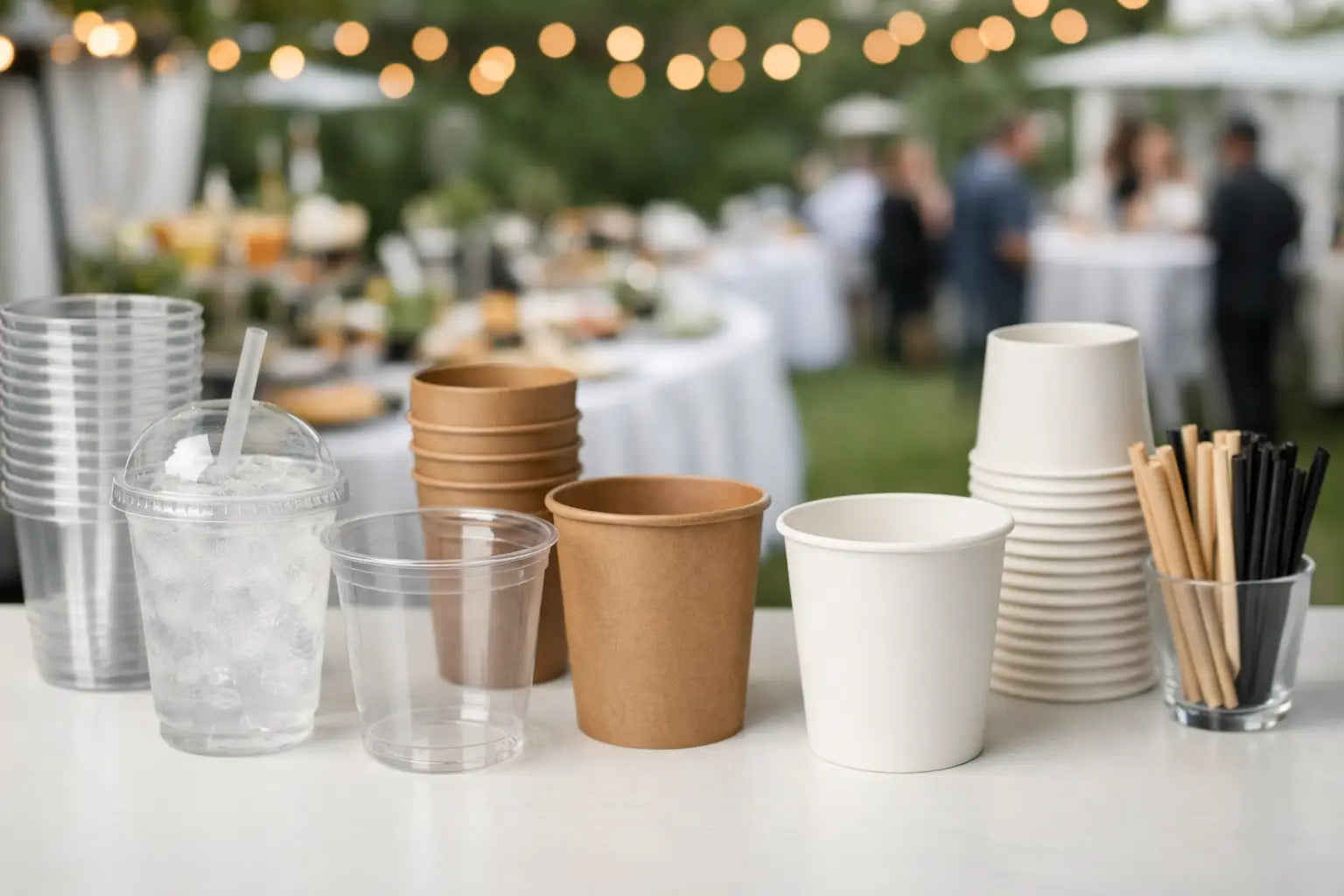
When drink service slows down, the problem is rarely the beverage. It is usually the cup. The best disposable cups for events are the ones that match what you are serving, hold up through the rush, and keep your costs under control without creating extra cleanup problems.
That sounds simple, but event buyers know better. A busy catered lunch, a wedding reception, an office gathering, and a backyard party all need something different. Cup size, material, lid compatibility, insulation, and case quantity all affect how smoothly service runs. Choosing well means fewer leaks, fewer restocks, and less waste at the end of the event.
What makes the best disposable cups for events?
A good event cup does three jobs well. It needs to hold the drink safely, feel appropriate for the setting, and make service easier instead of harder. If one of those pieces is off, guests notice.
For example, a thin plastic cup may be fine for water at a casual gathering, but it can feel too flimsy for juice, soda, or mixed drinks at a paid event. A paper cup may be ideal for coffee service, but it is not always the best pick for cold beverages that will sit in guests' hands for a while. The right choice depends on use, not just price.
Procurement teams and hosts also need to think beyond the cup itself. Will you need lids? Are guests self-serving, or will staff handle drinks? Are children attending? Will cups be stacked at a beverage station? The best option is usually the one that supports the whole setup, not just the drink menu.
Match the cup to the drink
This is where many event orders go wrong. Buyers focus on a general "drink cup" and end up with one style trying to do too much. In practice, hot and cold service have different requirements.
Best cups for hot drink service
For coffee, tea, and hot chocolate, paper cups are the standard choice for a reason. They are lightweight, easy to stock in volume, and suitable for quick service. For short events or breakroom-style stations, a standard paper cup works well. For longer service windows or higher-temperature drinks, thicker paper cups offer better hand comfort and a more dependable feel.
Size matters here. Small cups are practical for espresso-style service or tea stations where guests may refill. Medium sizes fit most coffee service needs. Larger hot cups can be useful for conferences or morning events, but they also raise beverage costs and may require more lid inventory. If your event includes grab-and-go service, pairing cups with compatible lids becomes less of an upgrade and more of a necessity.
Best cups for cold beverages
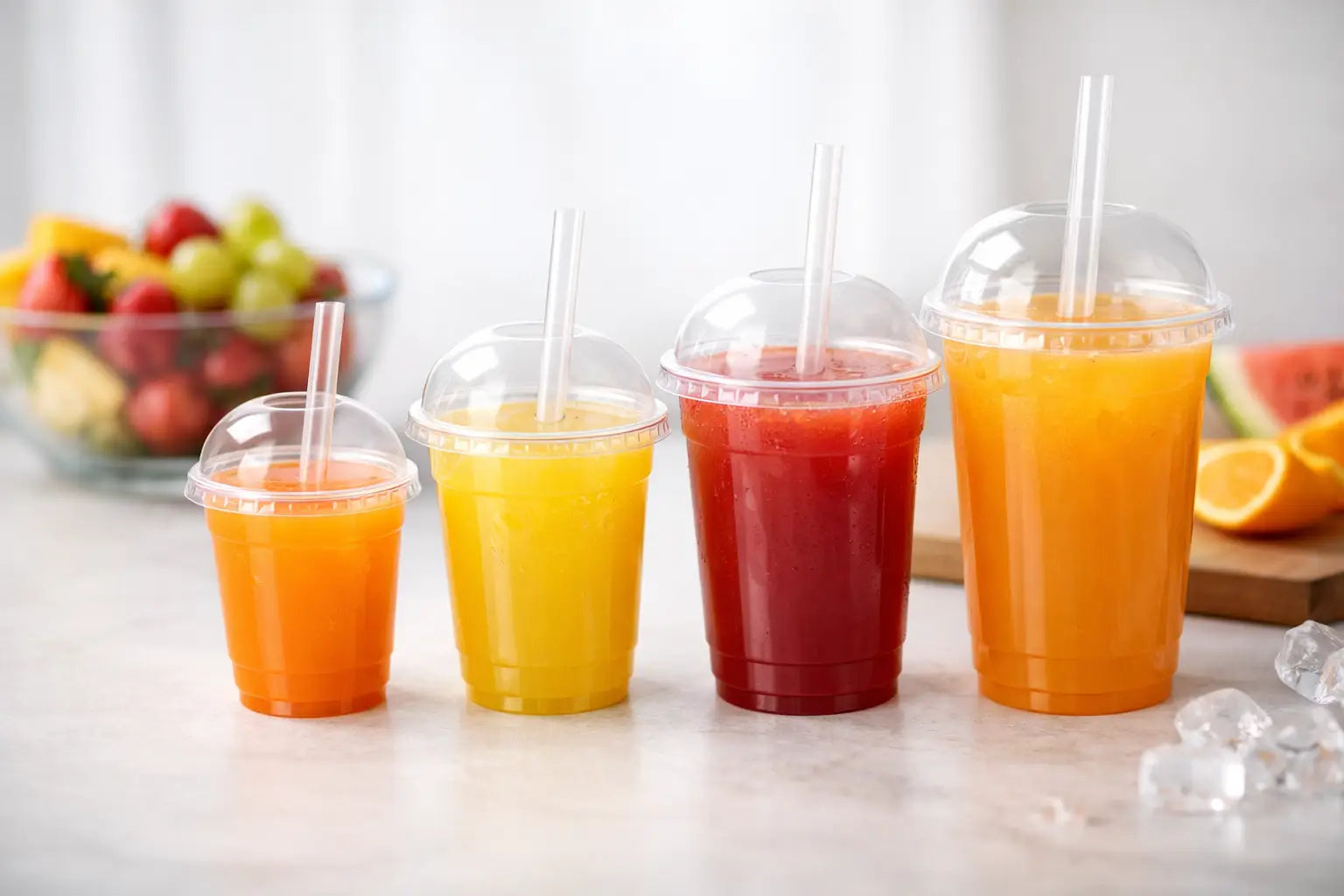
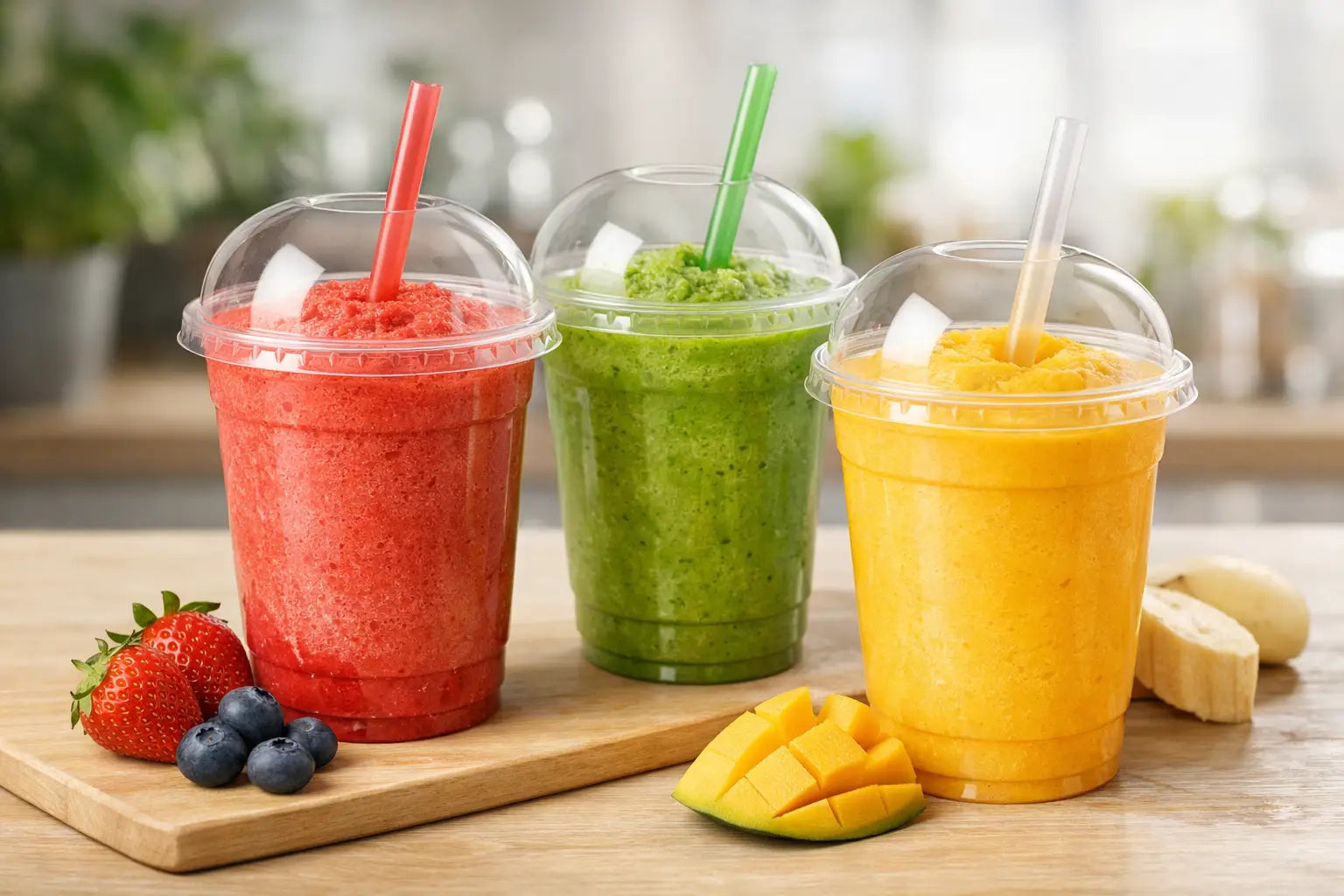
Cold drinks usually call for plastic cups or cold-use paper cups, depending on the setting. Plastic cups are often the most efficient option for water, soda, juice, iced coffee, and mocktails. They show the drink clearly, stack well, and support fast, high-volume service.
That said, not every plastic cup performs the same way. Thin options help reduce per-unit cost and work well for quick-serve stations. Heavier cups feel better in hand and are often a smarter fit for catered events, dessert tables, and drink stations where presentation matters.
If you are serving ice-heavy drinks, make sure the cup size leaves room for both the beverage and the ice. Buyers often underestimate this and end up with cups that look full before the drink is properly poured.
Choose material based on the event type
The best disposable cups for events are not universal because events are not universal. The setting changes what guests expect and what your team needs to manage.
Corporate events and office functions
For meetings, conferences, and office gatherings, practical usually wins. Paper cups for coffee and tea, plus clear plastic cups for water and cold drinks, cover most needs. These events benefit from simple, professional-looking products that are easy to restock and easy for guests to grab on their own.
In this setting, consistency matters more than novelty. Cups should stack neatly, fit standard beverage stations, and come in case quantities that support repeat purchasing. If you manage frequent internal events, using the same sizes across multiple occasions can simplify ordering and reduce overbuying.
Catered events and hospitality service
Hotels, caterers, and event planners usually need a step up in presentation. Guests notice when a cup feels flimsy or looks too casual for the room. Clear, better-quality plastic cups can improve the perceived value of cold beverage service without adding the cost or breakage risk of glassware.
For coffee stations, sturdier paper cups with lids offer a cleaner experience and help reduce spills. This is especially useful at receptions, networking events, and venues where guests are standing and moving between spaces.
Family parties and home events
At home, convenience tends to lead the decision. You want cups that are affordable, easy to store, and flexible enough to handle different drinks without overcomplicating the order. A reliable cold cup for soft drinks and water, plus a separate paper cup for hot drinks if needed, is often the most practical approach.
If children are part of the guest list, slightly smaller cups can help reduce waste and spills. For larger gatherings, buying by case usually makes more sense than picking up small packs that run out halfway through the event.
Cup size is a cost decision, not just a serving decision
Many buyers choose size based on what looks standard. A better approach is to choose based on how people will actually drink at the event.
Smaller cups can be the smarter option for water stations, tasting events, and short service periods. They reduce waste and encourage guests to refill only if needed. Mid-size cups are usually the safest all-purpose choice for soda, juice, and mixed beverage service. Larger cups are useful when refills are inconvenient, but they can increase product use fast.
This is one of the easiest ways to control event costs without lowering quality. If guests only need quick access to water during a meeting break, oversized cups do not improve service. They just increase beverage consumption and cleanup volume.
Don’t overlook lid and accessory compatibility
Cups are often purchased first and accessories second. That can create problems, especially for hot drinks and takeaway-style event service.
If guests will carry drinks between rooms, through a venue, or back to their seats, lids add real value. They reduce spills, help retain temperature, and make service feel more organized. The trade-off is that compatibility matters. Not every lid fits every cup size or rim style, so buying in a coordinated way saves time and frustration.
You may also need straws, stirrers, sleeves, or cup holders depending on the setup. These are small items, but they affect service speed and guest experience. Ordering them from the same supplier often makes replenishment easier and reduces mismatch issues.
Bulk buying works best when quality is predictable
Price always matters, especially for event organizers, food service teams, and businesses managing repeat purchasing. But the lowest-priced cup is not always the lowest-cost choice.
A cup that cracks, collapses, or leaks creates waste and replacement demand. It can also slow service and reflect poorly on the event. That is why dependable quality matters in bulk buying. You want cups that perform consistently across the case, not a mix of strong and weak units.
This is where working with a supply partner instead of piecing together event needs from multiple sellers can make a difference. When cups, lids, straws, containers, and other event disposables are sourced in one place, ordering becomes faster and easier to manage. For buyers who need reliable stock and straightforward online purchasing, that matters as much as price. White Pack serves that need with a broad range of practical disposable essentials built for both businesses and households.
How to choose quickly without overthinking it
If you need a simple rule, start with the drink, then check the event style, then confirm the size and quantity. That order helps avoid most common mistakes.
For hot beverages, use paper cups and add lids if guests will be moving around. For cold drinks, use plastic cups when visibility, speed, and versatility matter. Choose heavier options for more formal events and standard options for high-volume casual service. Then estimate quantity with a margin for refills, ice use, and unexpected attendance.
The best disposable cup is not the fanciest one on the shelf. It is the one that fits the event, supports clean service, and lets you buy with confidence instead of guesswork.
A good event supply plan should feel easy once it is in motion. When the cups are right, the drink station runs better, guests notice less friction, and your team can focus on everything else that needs attention.