Cart
0
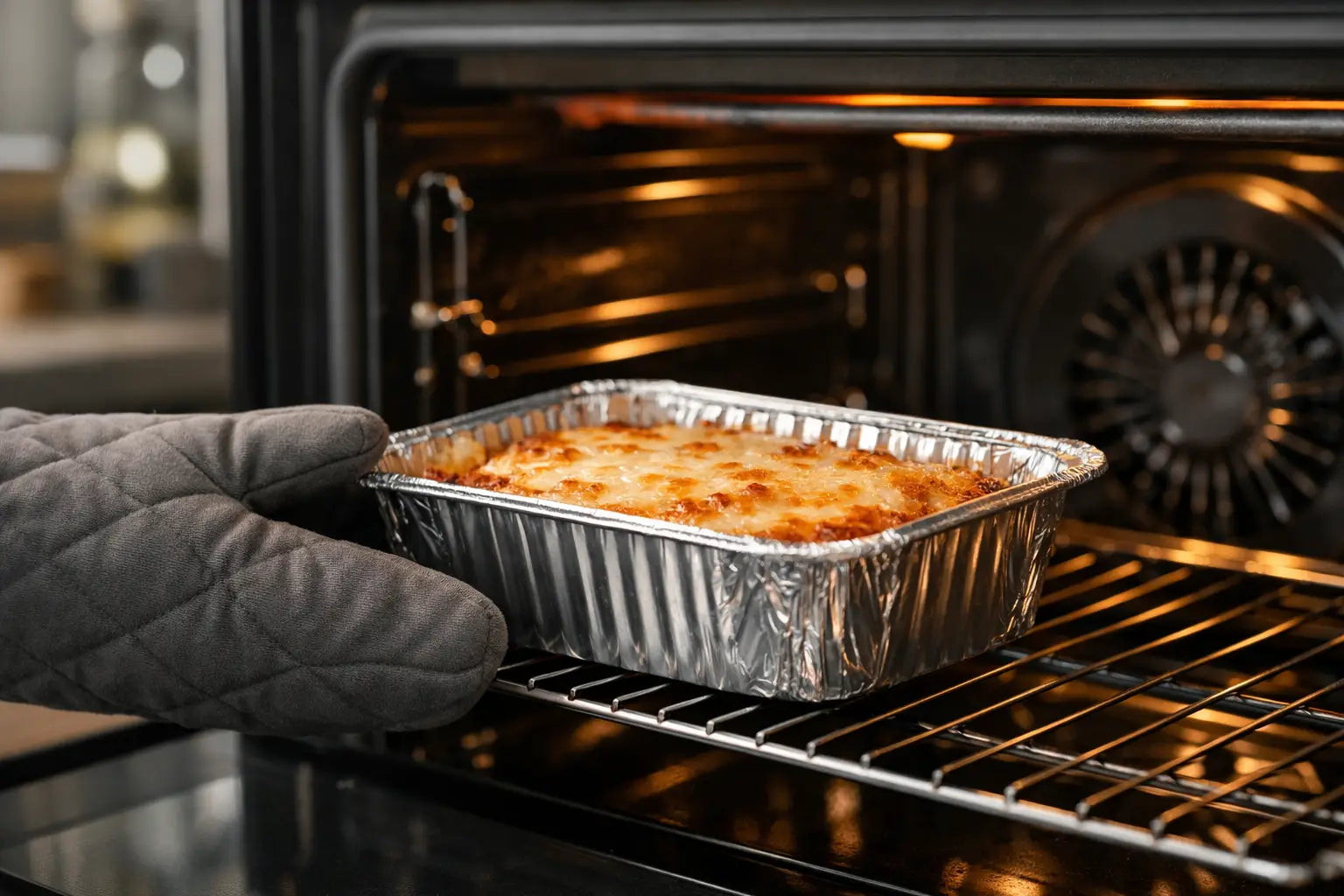
If you're prepping trays for catering, reheating party pans, or finishing a family meal in the oven, the question comes up fast: are aluminum containers oven safe? In most cases, yes - aluminum containers are oven safe and widely used for baking, roasting, reheating, and food service. The real issue is not whether aluminum can handle oven heat. It can. What matters is the container's shape, thickness, contents, and how you use it.
Are aluminum containers oven safe for everyday use?
Aluminum is a heat-conductive metal, which is exactly why it is so common in cookware, baking pans, and disposable food containers. Standard aluminum containers can safely go into a conventional oven for many everyday tasks, including warming prepared foods, baking casseroles, roasting vegetables, and holding cooked items hot for service.
For restaurants, caterers, and busy households, that makes aluminum containers a practical option. You can prep, cook, transport, and serve with fewer transfers between dishes. That saves time, reduces cleanup, and helps keep food handling simple.
Still, oven safe does not mean foolproof. Disposable aluminum containers are lighter than permanent bakeware, so they need a little more support and care. A full pan of baked pasta is very different from a shallow tray of dinner rolls. Both can go in the oven, but one is much more likely to bend if lifted carelessly.
When aluminum containers work best in the oven
Aluminum containers perform best when you use them for foods that cook evenly and do not require extremely delicate handling. They are especially useful for baked pasta, roasted meats, vegetables, casseroles, brownies, side dishes, and buffet-ready trays.
They are also a strong choice when volume matters. If you are preparing multiple dishes for an event, a food business, or a large family gathering, aluminum pans help streamline production. You can portion food ahead of time, stack inventory more easily, and move items from prep area to oven to service line with less mess.
Because aluminum conducts heat well, food often heats quickly and evenly. That can be an advantage, but it also means you should watch cooking times. In some cases, the bottom and edges may cook faster than they would in heavier ceramic or glass dishes.
Are aluminum containers oven safe at high temperatures?
Yes, aluminum containers are generally oven safe at typical baking and roasting temperatures. Many are used comfortably in the range needed for common oven cooking. For most food service and household applications, that covers what you need.
The more practical concern is not whether the aluminum will survive heat, but whether the specific container will keep its structure under the weight of the food. Thin pans can flex, especially when full of sauces, meats, or layered dishes. If you are cooking at higher temperatures or handling a large pan, place the container on a baking sheet before putting it in the oven. That extra support makes a big difference.
What to avoid when using aluminum containers in the oven
The biggest mistakes usually come from handling, not heat. A lightweight container can buckle if you grab it from the sides without support. That can lead to spills, uneven cooking, or burns.
It is also smart to avoid sudden temperature shock. Moving a thin aluminum container from freezer to a very hot oven can stress the pan, especially if the contents are dense or unevenly frozen. If possible, let frozen items thaw partially or follow product-specific cooking guidance.
Highly acidic foods can be another gray area. Tomato-based sauces, vinegar-heavy marinades, and citrus-forward dishes are often cooked in aluminum pans without issue, especially for shorter oven use. But extended contact can sometimes affect flavor or cause slight reaction with bare aluminum. For many buyers, this is not a dealbreaker, just something to keep in mind when choosing the right container for long holding times or storage.
You should also never use an aluminum container in a microwave unless the product is specifically labeled for that purpose. Oven safe and microwave safe are not the same thing.
How to use aluminum containers safely
For most users, safe use comes down to a few simple habits. Support the base of the container when lifting. Do not overload shallow pans with heavy food. Keep containers level on the oven rack or, better yet, on a sheet pan. If the pan comes with a lid, remove any lid that is not designed for oven use before heating.
Greasing or lining the container may help with certain foods, especially baked goods or sticky dishes. Since aluminum transfers heat efficiently, edges can brown faster. If you want a softer bake or gentler reheating, reducing temperature slightly and extending cook time can help.
For commercial kitchens and event prep, consistency matters. Using the same pan size for repeat menu items helps with timing, portioning, and storage. It also makes it easier to train staff on safe handling and expected performance.
Are aluminum containers oven safe for catering and takeout prep?
They are, and that is one reason they are standard in catering, meal prep, and restaurant operations. Aluminum containers allow teams to prepare food in batches, cover and transport it, then reheat or finish it in the oven as needed.
This flexibility is useful for buffet service, holiday orders, corporate lunches, and family-style takeout. Instead of transferring food into separate bakeware, you can often use one container from kitchen prep to final service. That reduces labor and cleanup while keeping presentation clean and practical.
The key is choosing the right size and depth. A small side-dish pan and a large full tray do not behave the same way. Larger pans need more support, especially when loaded with heavy foods like lasagna, mac and cheese, or roasted meats with juices.
Disposable versus heavy-duty aluminum pans
Not all aluminum containers are built the same. Some are light, flexible, and ideal for one-time use. Others are heavier gauge and better suited for fuller loads, hotter applications, or situations where appearance and stability matter more.
For home use, a standard disposable pan may be enough for simple baking or reheating. For business use, especially where food is transported or handled by staff, heavy-duty containers often provide better reliability. They resist bending more effectively and hold up better under weight.
That does not mean thinner pans are poor quality. It just means the right choice depends on the task. If you are serving a crowd, transporting food, or planning oven-to-table presentation, sturdier options are usually worth it.
Best practices for better results
A few operational habits can make aluminum containers more effective. First, match the pan to the food. Deep dishes with liquid need stronger support than dry items. Second, avoid overfilling. Leave enough room to prevent bubbling over, especially with casseroles and baked pasta. Third, use a sheet pan underneath large or soft aluminum trays. That improves both safety and convenience.
If appearance matters, especially for catered events or customer-facing service, keep containers clean around the rim before baking. Burnt sauce on the edge can make an otherwise well-prepared dish look rushed.
For buyers stocking up, it helps to keep multiple formats on hand - shallow trays for appetizers, deeper containers for entrees, and lidded options for transport and storage. A dependable supply setup saves time when demand spikes.
When aluminum containers may not be the best choice
There are situations where another material may work better. If you need a dish for repeated long-term use, permanent metal bakeware will usually be more durable. If presentation is more formal, ceramic or glass may suit the occasion better. And if a product needs to go from microwave to oven to dishwasher repeatedly, a disposable aluminum container may not be the most efficient fit.
But for practical, high-volume food prep, aluminum remains one of the most useful options available. It is lightweight, affordable, oven ready, and easy to store in quantity.
For households, that means less cleanup after parties, holidays, and meal prep. For businesses, it means faster turnaround, simpler handling, and fewer interruptions in service. That is exactly why so many kitchens keep aluminum containers within reach. If you are stocking for everyday cooking, event service, or operational prep, choosing dependable oven-safe pans from a practical supplier like White Pack can make the work easier from start to finish.
The smartest approach is simple: treat aluminum containers as a reliable tool, not a one-size-fits-all solution, and match the pan to the job before the oven ever turns on.