Cart
0
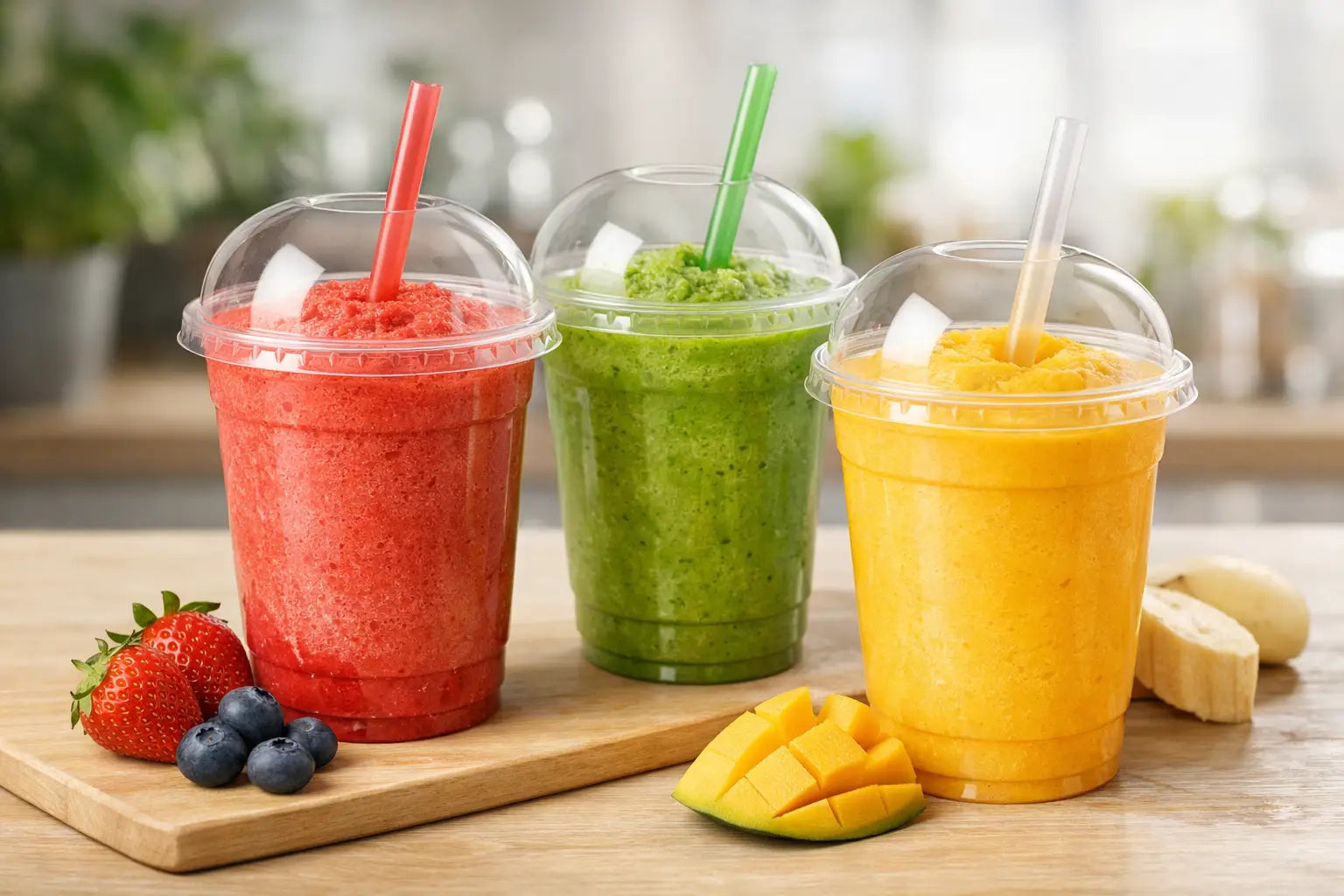
A smoothie can look fresh, colorful, and ready to sell, then lose its appeal the moment the cup bends in a customer's hand or the lid pops loose during delivery. For cafes, caterers, offices, event teams, and home hosts, plastic cups for smoothies are not a minor supply decision. The right cup protects the drink, supports a clean presentation, and helps service move faster when demand picks up.
Choosing well starts with how the smoothie will be served. A thick, protein-heavy drink has different packaging needs than a light fruit blend. A walk-up juice bar needs speed at the counter, while a catering team may prioritize reliable transport. The goal is simple: choose cups that match your portions, lids, workflow, and budget without creating extra waste or avoidable customer complaints.
Choose the Right Plastic Cups for Smoothies
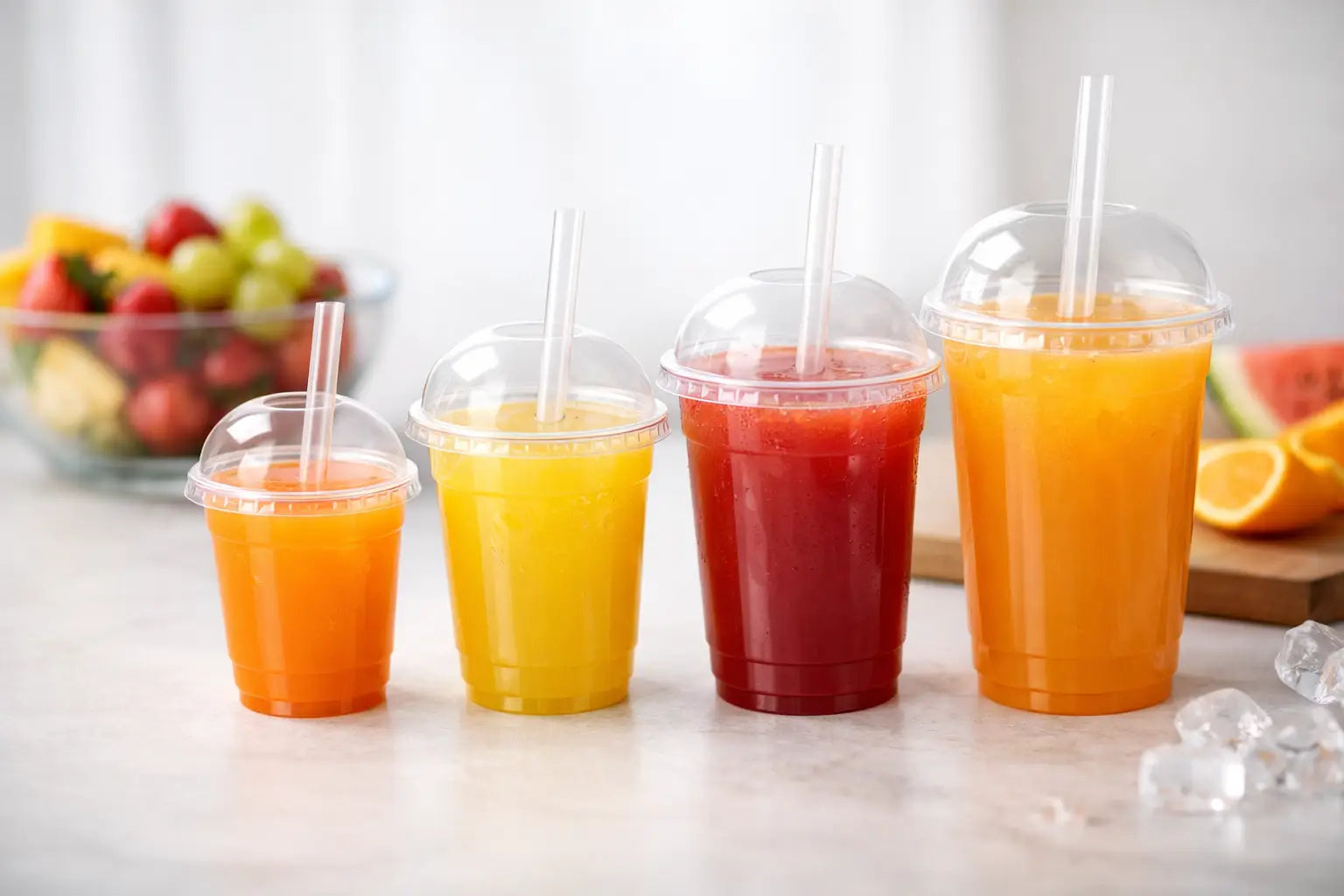
The first decision is capacity. Smoothies are commonly served in 12-ounce, 16-ounce, 20-ounce, and 24-ounce cups, but the best size depends on your menu and your customers. A 12-ounce cup works well for kids' drinks, tasting portions, or smaller grab-and-go options. Sixteen ounces is a practical everyday choice for many cafes and office refreshment stations. Larger 20-ounce and 24-ounce cups suit meal-replacement smoothies, fruit-packed blends, and premium add-on menus.
Do not choose a size based only on the liquid recipe. Leave enough room for ice, foam, toppings, and a secure lid. A smoothie filled to the rim is harder to carry and more likely to spill when a straw is inserted. If you use whipped cream, granola, fresh fruit, or layered ingredients, a larger cup or a dome lid may be the better fit.
Clear cups are often the strongest choice for smoothie service because they show the product. Bright berry blends, green juices, and layered yogurt smoothies all benefit from visible presentation. Customers can see the portion they are receiving, while staff can check consistency and fill level before handing over an order. For event service, that clarity also makes beverage stations look more organized and appealing.
Match Cup Strength to the Drink
Not every cold cup performs the same way. Thin cups may be suitable for water or a simple juice, but smoothies are heavier and are often carried for longer. A sturdier plastic cup offers better hand feel and reduces the chance of flexing, cracking, or squeezing when customers pick it up.
This matters even more for delivery and takeaway orders. A smoothie may travel in a bag alongside food containers, napkins, and other drinks. Cups with dependable sidewalls hold their shape better, helping lids stay in place and making the order easier to pack. Spending slightly more on a stronger cup can prevent the larger cost of remakes, refunds, and unhappy customers.
For household use, strength is still useful when serving children, hosting birthdays, or preparing drinks around a busy kitchen. Disposable cups can reduce cleanup, but they should still feel reliable enough to use comfortably from the first sip to the last.
Lids and Straws Matter as Much as the Cup
A cup and lid should be treated as one system. Even a well-made cup can cause problems if the lid fit is loose, inconsistent, or incompatible with the rim. Before ordering in volume, confirm that lids are designed for the cup size and rim style you plan to use.
Flat lids are a smart option for standard smoothies that will be served with straws. They stack neatly, look clean at the counter, and work well for high-volume service. Dome lids provide extra space when drinks include whipped topping, fruit, cookie crumbs, or other finishing touches. They can also give premium menu items more visual impact.
Straw choice depends on texture. Thin straws may work for a juice-based smoothie, but thick blends with banana, oats, seeds, nut butter, or frozen fruit usually need wider straws. If the straw is too narrow, customers struggle to drink the smoothie and may assume the recipe is the problem. A practical serving setup includes cups, matching lids, and straws selected for the menu, not purchased separately without checking compatibility.
Consider Condensation, Transport, and Storage
Cold smoothies create condensation, especially in warm kitchens, outdoor events, and busy pickup areas. Plastic cups are useful because they hold up well around cold drinks, but condensation can still make surfaces slippery. A strong cup with a well-fitting lid helps customers hold the drink securely. For delivery, use cup carriers or bag arrangements that keep beverages upright rather than allowing them to shift next to hot food containers.
Storage is another operational detail that affects efficiency. Cups that stack consistently are easier to store in back rooms, catering kits, and office supply areas. They also save time at the counter because staff can pull a cup quickly without separating pieces that are stuck together. When buying in bulk, check the case quantity against available storage space. The lowest unit price is only useful if you can store the product cleanly and access it easily.
Businesses that serve smoothies seasonally should also plan ahead. Demand often rises during warmer months, fitness promotions, school events, and outdoor gatherings. Keeping enough cups, lids, and straws on hand prevents last-minute substitutions that may not fit properly or match your usual presentation.
Balance Cost With a Better Customer Experience
Price matters, particularly when smoothies are a frequent menu item or part of a high-volume event. But the cheapest option is not always the best value. Consider the full cost of service: cup performance, lid security, portion control, storage, and the likelihood of waste.
A consistent cup size helps control ingredient costs. When staff use the same 16-ounce or 20-ounce cup for a menu item, recipes are easier to standardize and customers receive a more predictable portion. That consistency supports better purchasing, clearer pricing, and fewer questions at the counter.
Buying cups in larger quantities can lower per-unit costs and simplify replenishment. It makes particular sense for restaurants, smoothie bars, caterers, and offices with recurring needs. Smaller packs may be more practical for households or occasional event hosts who want dependable supplies without storing a full case. The right order size depends on usage rate, available storage, and how many related items you can source at the same time.
White Pack helps make this process simpler by bringing everyday disposable cups, lids, straws, food containers, and cleaning essentials into one practical purchasing routine. For busy buyers, fewer supply gaps mean less time spent chasing basics from multiple sellers.
A Quick Buying Check Before You Order
Before placing an order, confirm four practical points: the cup capacity fits your menu, the material feels strong enough for your smoothies, the lids match the cup rim, and the straw opening suits the drink texture. If you are serving toppings, check whether a dome lid is needed. If drinks will travel, test a filled cup in the same type of carrier or takeaway bag your team uses.
It is also worth testing one complete serving during a busy period. Fill the cup, add the lid and straw, let it sit for several minutes, and carry it as a customer would. That small check can reveal issues with condensation, fill level, lid fit, or straw size before they affect a full service day.
Good plastic cups for smoothies do more than hold a drink. They help portions look right, keep service clean, and give customers confidence from the counter to the final sip. Select the cup system that works with your actual menu and workflow, then keep it stocked so every smoothie leaves ready to enjoy.