Cart
0
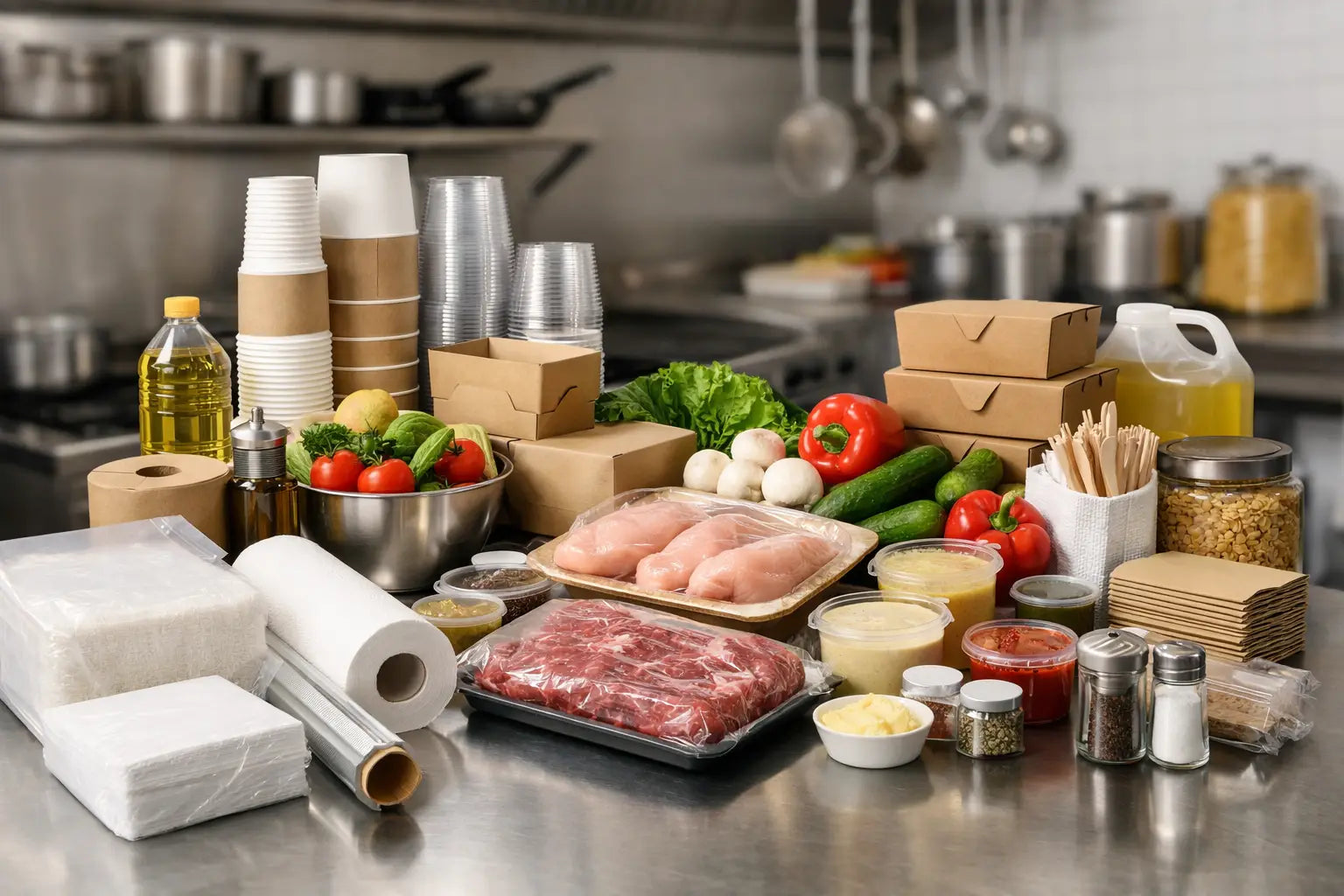
When a restaurant runs out of cups, foil, carryout containers, or cleaning supplies midweek, service slows down fast. That is exactly why a solid دليل شراء مستهلكات المطاعم الشهرية matters - not as paperwork, but as a practical system that protects daily operations, cost control, and customer experience.
For most restaurant operators, the challenge is not finding products. The real challenge is buying the right quantities, at the right quality level, on the right schedule, without tying up too much cash in storage. Monthly purchasing works well because it gives you a clear replenishment rhythm, but only if your ordering decisions are based on usage, menu reality, and sales patterns rather than guesswork.
Why monthly restaurant consumables planning matters
Consumables are easy to underestimate because each item looks inexpensive on its own. A sleeve of cups, a pack of lids, a roll of aluminum foil, a carton of takeaway bags - none of them feels like a major cost until small overbuys and emergency reorders start stacking up across the month.
A monthly plan gives you better control in three areas. First, it helps avoid stockouts during peak service. Second, it reduces over-ordering on items that sit too long in storage. Third, it makes purchasing easier for whoever handles operations, because the order is built around actual demand instead of rushed decisions.
The other advantage is consistency. When your packaging and service supplies are steady, your team moves faster, food presentation stays predictable, and customers get the same experience every time.
How to build a practical دليل شراء مستهلكات المطاعم الشهرية
The best buying guide starts with usage, not catalogs. Before choosing pack sizes or comparing unit prices, look at what your restaurant actually consumes in a normal month.
Start with your sales volume
Count monthly orders by service type. Dine-in, takeout, delivery, catering, and beverages all consume different supplies. A burger concept with heavy delivery demand will need more clamshells, sauce cups, cutlery, napkins, and bags than a dine-in cafe. A juice bar may move through cups, domed lids, straws, and ice-related items much faster than food containers.
A simple rule helps here. If an item touches every order, calculate from total order count. If it only supports certain menu items, calculate from those specific item sales. This prevents the common mistake of estimating all packaging from total covers or receipts.
Group supplies by function
Monthly restaurant consumables are easier to manage when divided into working categories. Packaging is one category. Beverage service is another. Food prep support, table service disposables, and cleaning materials should each stand on their own.
This matters because usage behavior is different in each group. Foil and food containers often track menu volume. Napkins and cups can spike with promotions or weather shifts. Cleaning supplies may stay steady unless staffing, sanitation requirements, or service hours change.
Review the last 2 to 3 months, not just one
One month alone can mislead you. Maybe there was a holiday rush, a temporary menu item, or a delivery promotion. Looking across several months gives you a more useful baseline.
If your business is seasonal, compare the same season when possible. A summer dessert shop and a winter soup concept will not use the same mix of consumables year-round. Monthly planning should reflect those patterns instead of forcing one fixed order every month.
What to include in your monthly buying plan
Most restaurants need a repeatable list built around the supplies that move constantly and affect service if they run low.
Food packaging and takeaway essentials
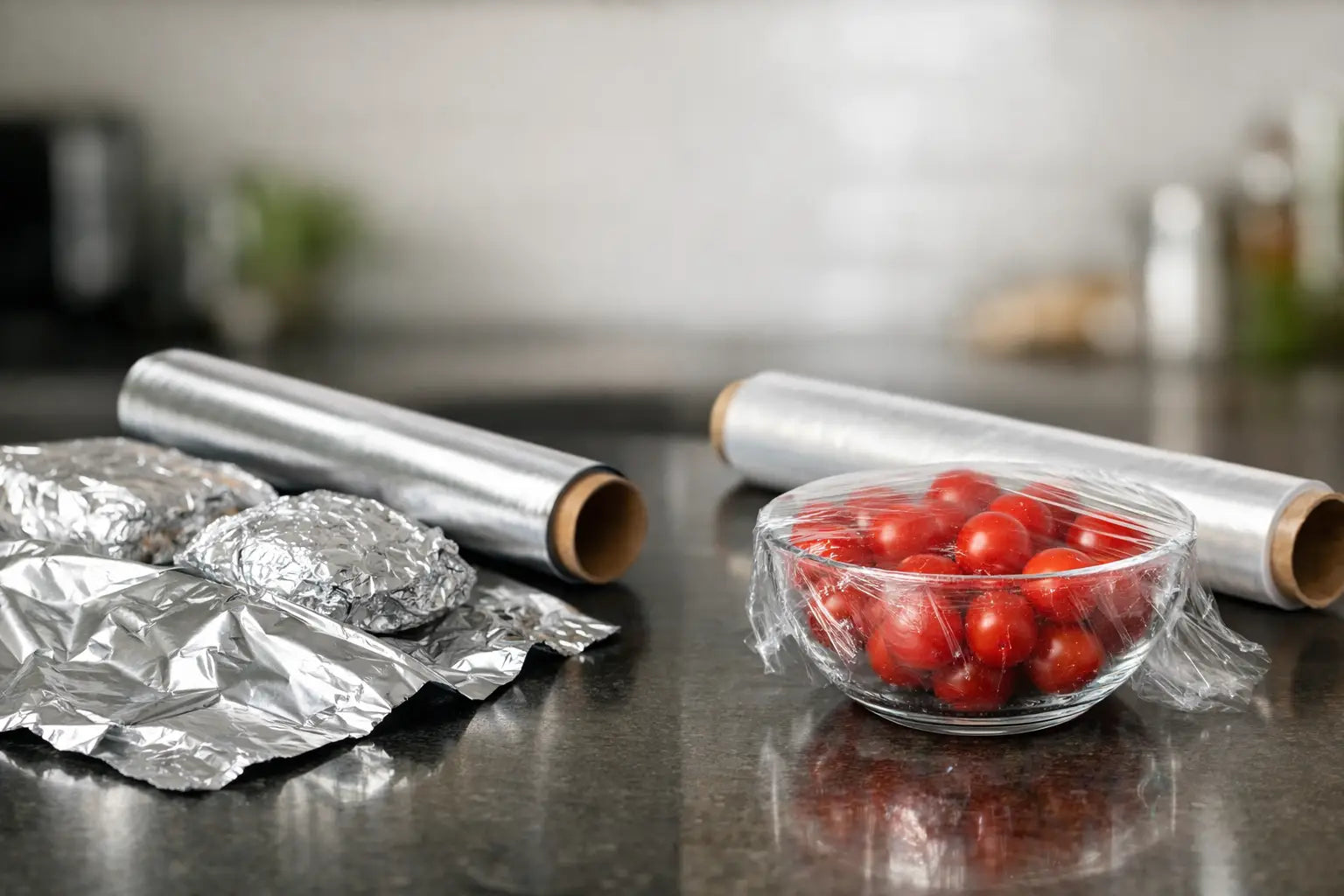
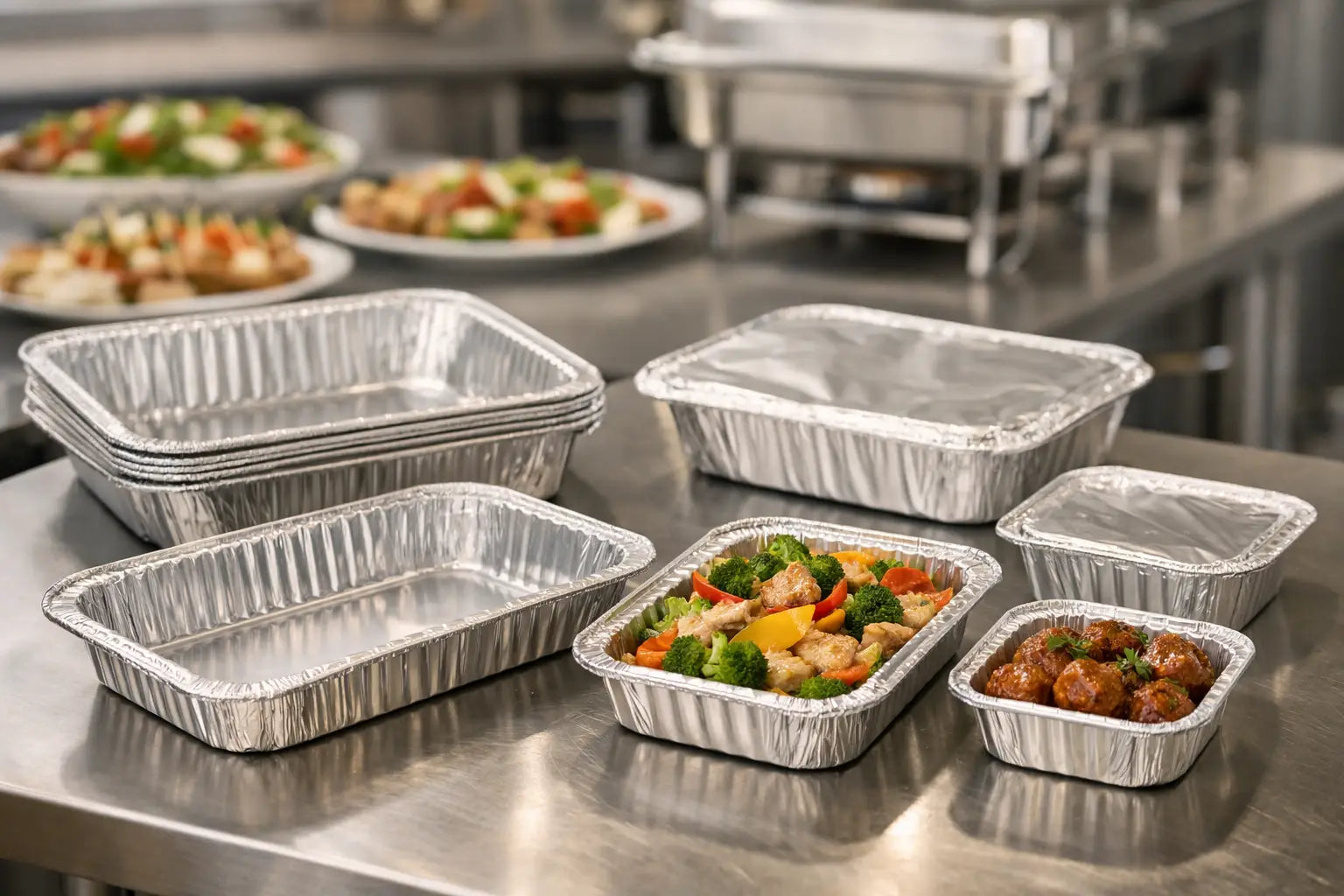
This usually includes microwave containers, kraft containers, trays, aluminum containers, lids, takeaway bags, sauce cups, wraps, foil, and related sealing or transport items. These are high-impact items because they affect food quality, temperature retention, and customer convenience.
Cheaper packaging can reduce the invoice total, but not always the real cost. If lids pop off, bags tear, or containers leak during delivery, replacement costs and customer complaints erase any savings quickly. For high-volume packaging, unit price matters. For customer-facing performance, reliability matters just as much.
Beverage supplies
Paper cups, plastic cups, lids, straws, cup carriers, and stirrers should be tied closely to drink sales. If your beverage menu changes by season, your cup mix should too. Cold drink businesses often overstock the wrong cup sizes because they buy by habit rather than by actual sales mix.
A smart adjustment is to review which sizes sell most often and consolidate where possible. Fewer cup and lid variations can simplify storage, reduce ordering errors, and improve inventory turnover.
Prep and service disposables
Gloves, toothpicks, paper products, wraps, and portioning support items often get overlooked because they are used in the back of house. Yet they affect speed, hygiene, and consistency every day.
These items should not be estimated casually. If your prep team burns through gloves faster during marination, raw protein handling, or high-turnover assembly periods, the monthly order needs to reflect actual station use, not broad kitchen assumptions.
Cleaning and sanitation materials
A restaurant can sometimes stretch packaging for a day. It cannot safely stretch cleaning standards. Monthly planning should include detergents, surface cleaners, trash bags, wipes, tissue-based paper goods, and other hygiene essentials.
Here, the lowest-cost option is not always the best option. Some products require heavier use to get the same result, which means the apparent savings disappear through faster consumption.
How to estimate the right quantities
The most reliable method is usage-based forecasting with a buffer. Start with average monthly consumption, then add a safety margin for fast-moving items. That margin depends on your sales volatility, supplier lead time, and storage capacity.
A stable dine-in restaurant might carry a smaller buffer on standard napkins or foil. A delivery-heavy business, or one that gets sudden volume spikes from events and weekends, usually needs more protection on containers, cups, lids, and bags.
The trade-off is cash versus risk. Ordering too lean saves storage space and reduces cash tied up in stock, but increases the chance of urgent reorders. Ordering too heavily lowers reorder pressure, but creates clutter, waste, and slower stock rotation. The right balance depends on how predictable your operation is.
Choosing quality without overspending
Not every consumable needs the premium version. But not every item should be bought on price alone either.
A useful approach is to classify items by operational risk. If a product directly affects food safety, spill prevention, delivery performance, or customer perception, quality should lead the decision. If it is a lower-risk back-of-house support item with standard performance needs, price efficiency can play a larger role.
This is where a broad supplier mix becomes useful. Buyers want access to practical everyday essentials, bulk options, and dependable packaging choices in one place rather than splitting routine purchasing across multiple vendors. For many operators, that saves more time than chasing the absolute lowest price line by line.
Common mistakes in monthly purchasing
One common mistake is ordering based on what feels low rather than what is actually moving. Visual checks help, but they are not enough on their own. Another mistake is failing to separate dine-in usage from takeout and delivery usage, which can distort packaging forecasts.
Many restaurants also forget to account for promotions, combo meals, catering trays, and seasonal beverages. These offers can change consumable demand quickly. A third issue is buying too many similar SKUs. Slight size variations in cups, containers, or lids can complicate storage and lead to dead stock.
Make reordering easier month after month
The goal of a monthly guide is not to build a complicated spreadsheet that nobody uses. It is to create a repeatable ordering routine. Keep your product list organized, track the fastest-moving SKUs, note acceptable substitutes where needed, and review actual usage after each monthly cycle.
If one supplier can cover a wide range of packaging, disposable, and cleaning essentials, the process gets simpler. That is one reason many buyers prefer a practical source like White Pack for routine replenishment - it supports faster ordering, easier consolidation, and more predictable restocking.
A strong monthly purchasing system does not need to be perfect on day one. It needs to be usable, measurable, and easy to adjust as your menu, order mix, and customer demand change. The more your buying reflects real operational patterns, the less time you spend fixing preventable shortages later.