Cart
0
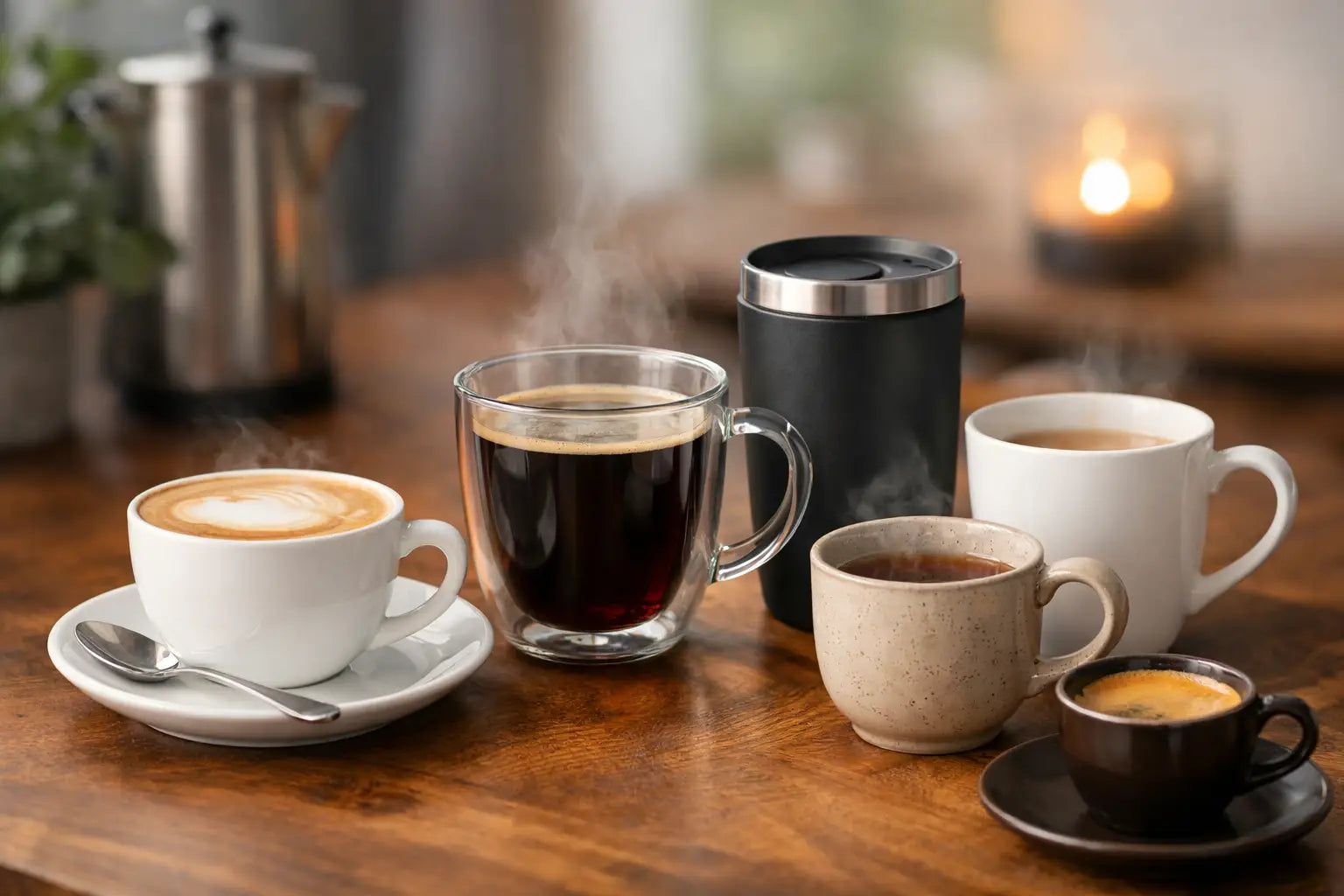
A rushed coffee line can expose a weak cup in seconds. If the cup feels too hot to hold, softens at the rim, or leaks around the lid, the problem is not the drink - it is the packaging choice. That is why understanding كيفية اختيار أكواب للمشروبات الساخنة matters for cafes, offices, event setups, and even home use. The right cup protects the drink experience, keeps service moving, and helps control waste and replacement costs.
Hot drink cups are not all built for the same job. A small espresso service, a large latte to-go, and a tea station at an office meeting place very different demands on the cup. Some buyers focus only on size or price, then end up compensating with double-cupping, extra sleeves, or frequent product swaps. A better approach is to match cup performance to the actual serving environment.
كيفية اختيار أكواب للمشروبات الساخنة حسب الاستخدام
Start with where and how the cup will be used. For dine-in service, the priority may be a clean look, easy handling, and a size that fits the menu. For delivery, takeaway, or events, the cup needs to hold heat without becoming uncomfortable in the hand, and the lid must stay secure during transport.
A household buyer may want convenience for gatherings, family breakfasts, or seasonal events. A business buyer usually needs consistency across volume orders, easier storage, and dependable performance during busy hours. The cup that works well for a weekend gathering may not be the best option for a coffee counter serving hundreds of drinks a day.
That is why the first question is simple: will the drink be consumed immediately, carried away, or held for a period of time? The answer shapes everything from cup wall thickness to lid choice.
Pick the right material before anything else
Material affects heat retention, comfort, appearance, and cost. Paper hot cups are the most common option because they are practical, lightweight, and familiar to customers. They work well for coffee, tea, hot chocolate, and other standard hot beverages when paired with the correct lid.
Single-wall paper cups are usually the more economical choice. They are suitable when drinks are served and consumed quickly or when sleeves are available. The trade-off is obvious - they can feel hotter in the hand, especially with larger sizes or extra-hot beverages.
Double-wall paper cups offer better insulation and a more comfortable grip without always needing a separate sleeve. For businesses focused on takeaway or customer comfort, this can be a better operational choice, even if the unit cost is higher. In many cases, paying more for the cup reduces the need for extra accessories and improves the customer experience.
Ripple-wall cups are another strong option when heat protection matters. Their textured outer layer helps users hold the cup more comfortably. They also give a slightly more premium presentation, which can matter for cafes, catering, and events where appearance supports the brand.
Size should match the drink, not just the menu label
Cup size affects more than portion control. It changes how the drink holds heat, how secure the lid fits, and how the product feels in hand. Ordering one size because it seems versatile can create waste or inconsistent serving.
For smaller drinks like espresso-based servings or standard tea portions, compact cups are often more efficient and easier to handle. Medium and large sizes are common for coffee service, but larger cups need stronger structure because the liquid weight is higher and the hand contact is longer.
A cup that is too large for the drink also creates a poor impression. It can make servings look underfilled and may reduce temperature retention because of the extra headspace. A cup that is too small creates spillage risk and lid pressure. Buyers should think in practical drink volumes, not just broad labels like small, medium, and large.
Think about fill line and drink add-ons
Milk foam, whipped toppings, and room for stirring all matter. If customers regularly add milk, cream, syrups, or marshmallows, the cup needs enough usable space to prevent overflow. This is especially important in self-serve stations and office beverage setups, where spills quickly turn into a cleanup issue.
Lids are part of the cup decision
A hot drink cup should never be chosen in isolation. Lid fit is one of the most common points of failure in takeaway service. Even a good cup becomes a problem if the lid pops off easily, leaks when tilted, or does not align cleanly with the rim.
When evaluating cups, always check compatibility with matching lids. This is not just about diameter. It is also about how securely the lid snaps, whether the sip opening is practical, and how the combination performs during carrying and stacking.
For coffee shops, offices, and event service, consistency matters more than novelty. Buyers want a cup-and-lid combination that staff can use quickly and confidently. A lid that takes extra force or feels uncertain during application slows service and increases waste from remakes.
Heat protection matters more than many buyers expect
The most common complaint with hot drink cups is simple: too hot to hold. This often leads to double-cupping, which increases cost and uses more inventory than planned. A better fix is choosing a cup designed for the drink temperature and serving style.
If the beverage is served piping hot and expected to be carried, insulated construction usually makes sense. If drinks are consumed on-site right away, a lighter option may be enough. There is no single best cup for every operation. It depends on whether your priority is lowest upfront cost, better user comfort, or fewer supporting items like sleeves and stirrers.
Sleeves can help, but they should not solve everything
Cup sleeves are useful for extra grip and heat protection, especially with single-wall cups. But relying on sleeves for every hot beverage can complicate inventory planning. You are not just buying cups anymore. You are buying cups, sleeves, storage space, and extra packing time. For some operations, moving to a better-insulated cup is simply cleaner and faster.
Consider durability during busy service
Hot cups need to hold their shape from filling to final sip. That sounds basic, but it becomes a real issue during peak periods. A cup that softens when left on a counter for several minutes or weakens when carried with a lid creates avoidable problems.
Durability is especially important for delivery drivers, office setups, waiting-room beverage stations, and catered events. In these settings, drinks are often poured in batches and may sit briefly before being picked up. A dependable cup supports smoother service and reduces the chance of spills on tables, car interiors, or customer hands.
Rim strength also deserves attention. A stable rim helps the lid seal better and makes drinking more comfortable. Thin or poorly formed rims can lead to leaks and a less polished impression.
Cost should be measured per use, not per unit only
It is tempting to choose the lowest-priced cup, especially for high-volume purchasing. But the cheapest unit is not always the lowest operational cost. If low-cost cups require sleeves, double-cupping, or frequent replacements, the total cost rises quickly.
A more practical buying decision looks at full use. How many extras are needed? How often do staff deal with leaks or complaints? How well does the cup perform in real service conditions? Those answers matter more than a small difference in unit price.
This is where reliable supply partners make a difference. Buyers need products that perform consistently from case to case, not cups that vary in quality between orders. For businesses and households alike, dependable stock simplifies planning and reduces last-minute substitutions.
How to test before you buy in bulk
If you are ordering for a restaurant, office, event team, or resale setup, test a small quantity first. Fill the cup with the actual beverages you serve. Put on the intended lid. Hold it for a few minutes. Carry it. Let it sit. Then check heat comfort, lid security, cup firmness, and overall presentation.
This quick test often reveals details that product specs do not. A cup may look fine on paper but feel awkward in hand or lose structure with heavier drinks. A short trial is much cheaper than discovering problems after a large order arrives.
For many buyers, the best choice is not the most premium or the most basic. It is the cup that matches the job with the fewest complications. That could mean a simple paper hot cup for an office pantry or a more insulated option for busy takeaway service.
If you are sourcing for multiple needs at once, it also helps to keep your buying process efficient. White Pack serves businesses and households that want dependable disposable essentials without overcomplicating the order. That matters when cups are just one part of a longer supply list.
A good hot drink cup should feel almost invisible in use. It should hold the drink well, protect the hand, fit the lid properly, and let service continue without interruption. When the cup does its job right, the customer notices the drink, not the packaging.