Cart
0
A spilled sauce cup, a soggy paper bag, or a cracked lid can turn a good order into a refund request fast. That is why choosing أفضل مستلزمات تغليف للطلبات الخارجية is not just about appearance. It is about protecting food quality, keeping service efficient, and making sure every order reaches the customer the way it should.
For restaurants, cafes, caterers, and even households sending meals to gatherings, the right packaging does real operational work. It helps with temperature retention, leak control, portion organization, and speed at packing stations. It also affects cost. Cheap packaging that fails once often costs more than dependable packaging that performs consistently.
How to choose the best packaging for takeout orders
The best setup starts with the food itself. A dry sandwich, a rice meal, a soup, and a dessert should not be packed in the same style of container just because it is convenient. Packaging works best when it matches moisture level, temperature, travel time, and stacking needs.
If your orders usually travel 10 to 15 minutes, you may be able to use lighter packaging for some items. If delivery runs longer, or if drivers carry multiple bags at once, stronger containers and better sealing matter more. This is where many buyers overspend in one category and underspend in another. You do not always need the heaviest option. You need the right level of protection for the menu item.
Food containers come first
When people think about أفضل مستلزمات تغليف للطلبات الخارجية, containers are the main decision point. They hold the product, shape the presentation, and determine whether food stays neat in transit.
Microwave-safe containers are a strong choice for rice dishes, pasta, grilled meals, and mixed platters. They are practical for businesses because they stack well, close securely, and give customers easy reheating. For operations handling high order volume, consistency matters as much as price. Containers that close unevenly or crack under pressure slow the packing line and create avoidable complaints.
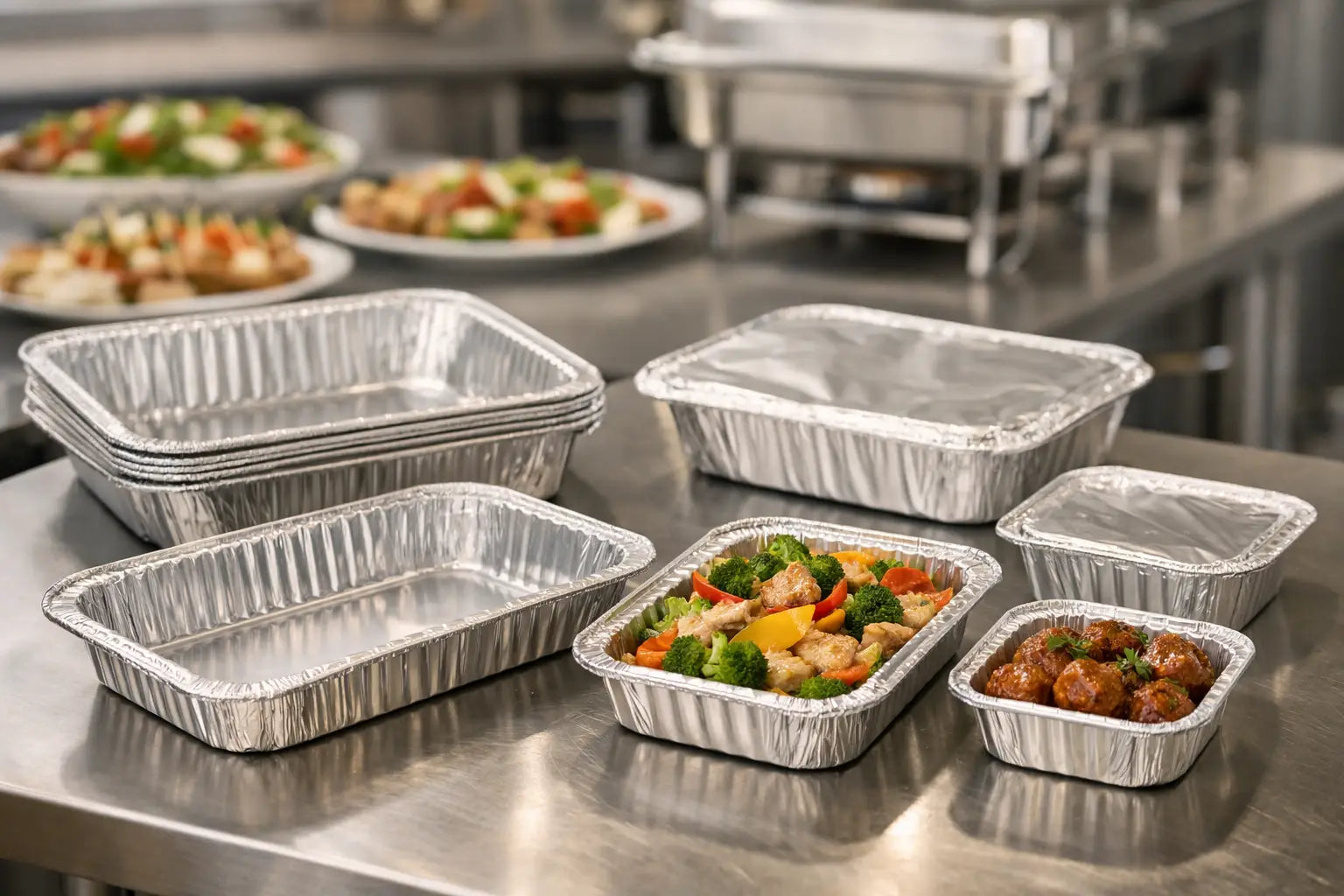
Aluminum containers are another reliable option, especially for hot foods, oven-finished items, and catering trays. They hold heat well and work well for family meals or larger portions. The trade-off is that they are not ideal for every use case. If customers expect microwave reheating, aluminum may create inconvenience, so it makes more sense for items meant to be served right away or reheated in an oven.
For sauces, sides, dips, and dressings, small tightly sealed cups do a lot of work. They keep moisture away from crisp foods and help with portion control. A larger container may seem simpler, but separating wet and dry items usually protects food quality better.
Bags, lids, and support items matter more than most buyers expect
A strong container still needs the right outer packaging. Takeaway bags do more than carry food. They help stabilize the order, support branding presentation, and make handoff easier for staff and drivers.
Paper takeaway bags work well for lighter orders, bakery items, and quick-service meals with limited liquid content. They are easy to store, simple to load, and present cleanly. Plastic takeaway bags can offer more moisture resistance, which may help with heavier or condensation-prone orders. The better choice depends on what you sell and how the order travels.
Lids deserve the same attention as the base container. A dependable lid should snap on cleanly, stay shut during movement, and match the contents. Vented lids can help reduce steam buildup for some hot foods, while fully sealed lids are better for soups, sauces, and high-moisture dishes. If crispy food arrives soft because steam had nowhere to go, the container did not actually do its job.
Don’t overlook foil, wraps, and liners
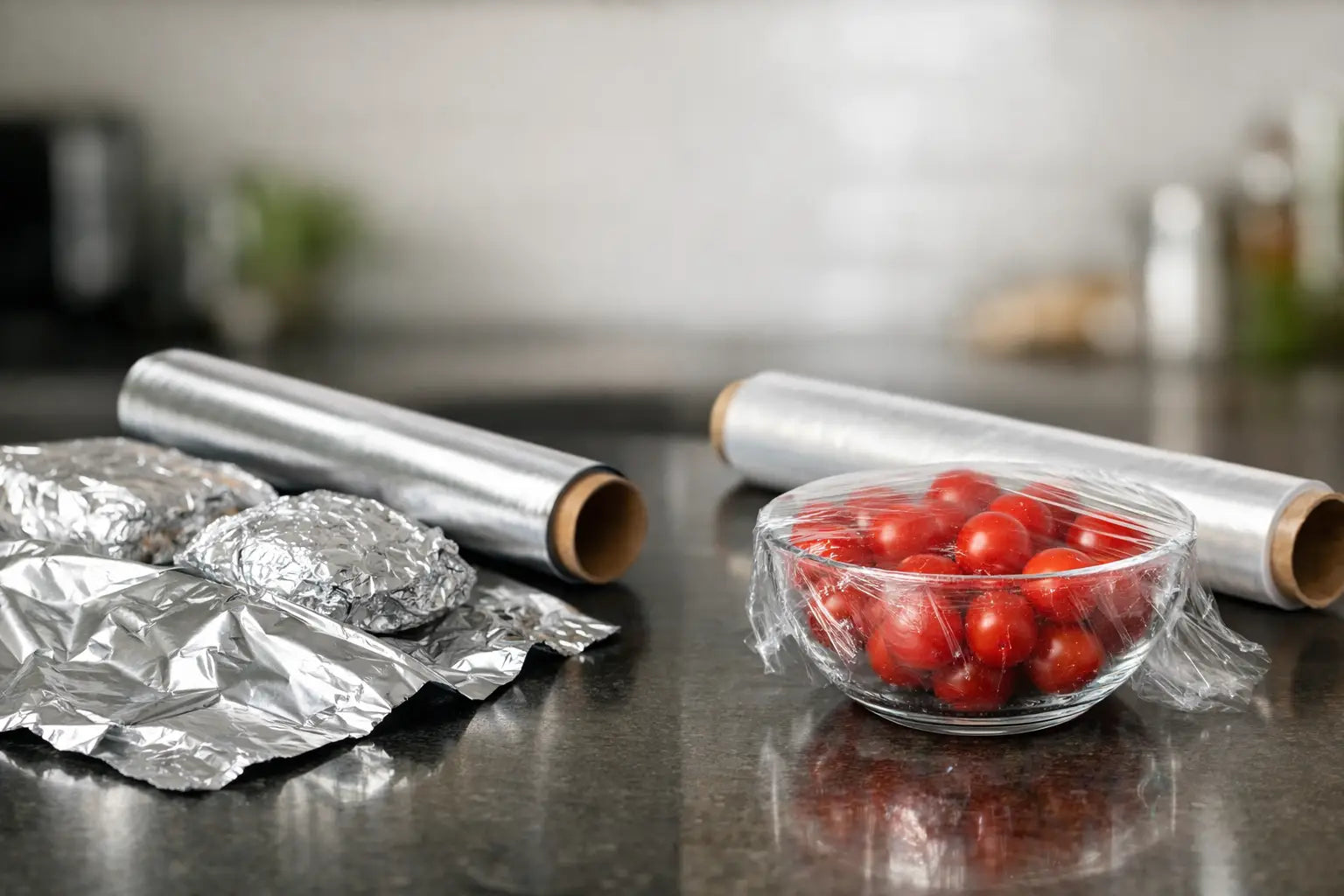
Aluminum foil remains one of the most useful support materials in food packing. It helps preserve heat, supports wrapping for sandwiches and grilled items, and adds a protective layer inside bags or trays. It is especially practical when food needs short-term heat retention without direct container transfer.
Paper liners and wraps can also improve presentation and function. They help separate products, absorb light grease, and keep items easier to handle. For delis, burger shops, snack businesses, and event catering, small details like this improve the customer experience without adding much complexity.
Best packaging choices by order type
Not every order needs a custom solution, but grouping items by order type makes buying easier and more cost-effective.
For hot entrees, microwave containers or aluminum trays usually provide the best balance of structure and convenience. If the meal includes multiple components, compartment containers can keep foods separated and maintain a better appearance when opened.
For soups and stews, leak resistance is the priority. Deep containers with secure lids are the safer choice, even if they cost more per unit. A lower-cost option that leaks during transport is not really saving money.
For sandwiches, wraps, pastries, and dry snacks, wraps, foil sheets, paper bags, or lighter food containers often work well. These items usually do not need heavy-duty packaging unless they include sauces or travel long distances.
For desserts and cold items, clarity and stability matter. Customers want the product to look good on arrival. Containers that protect shape without crushing toppings or smearing the contents tend to perform better than generic options.
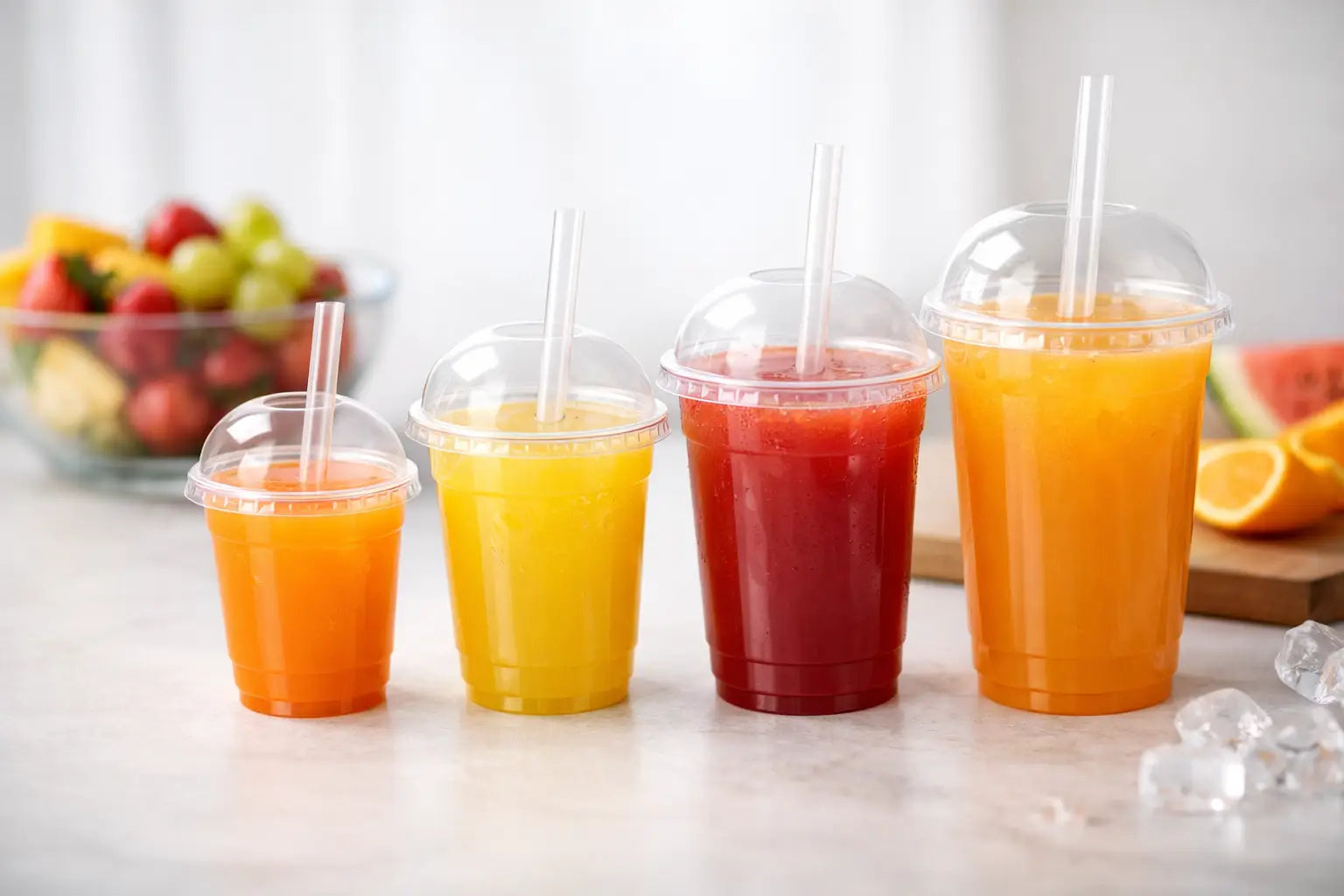
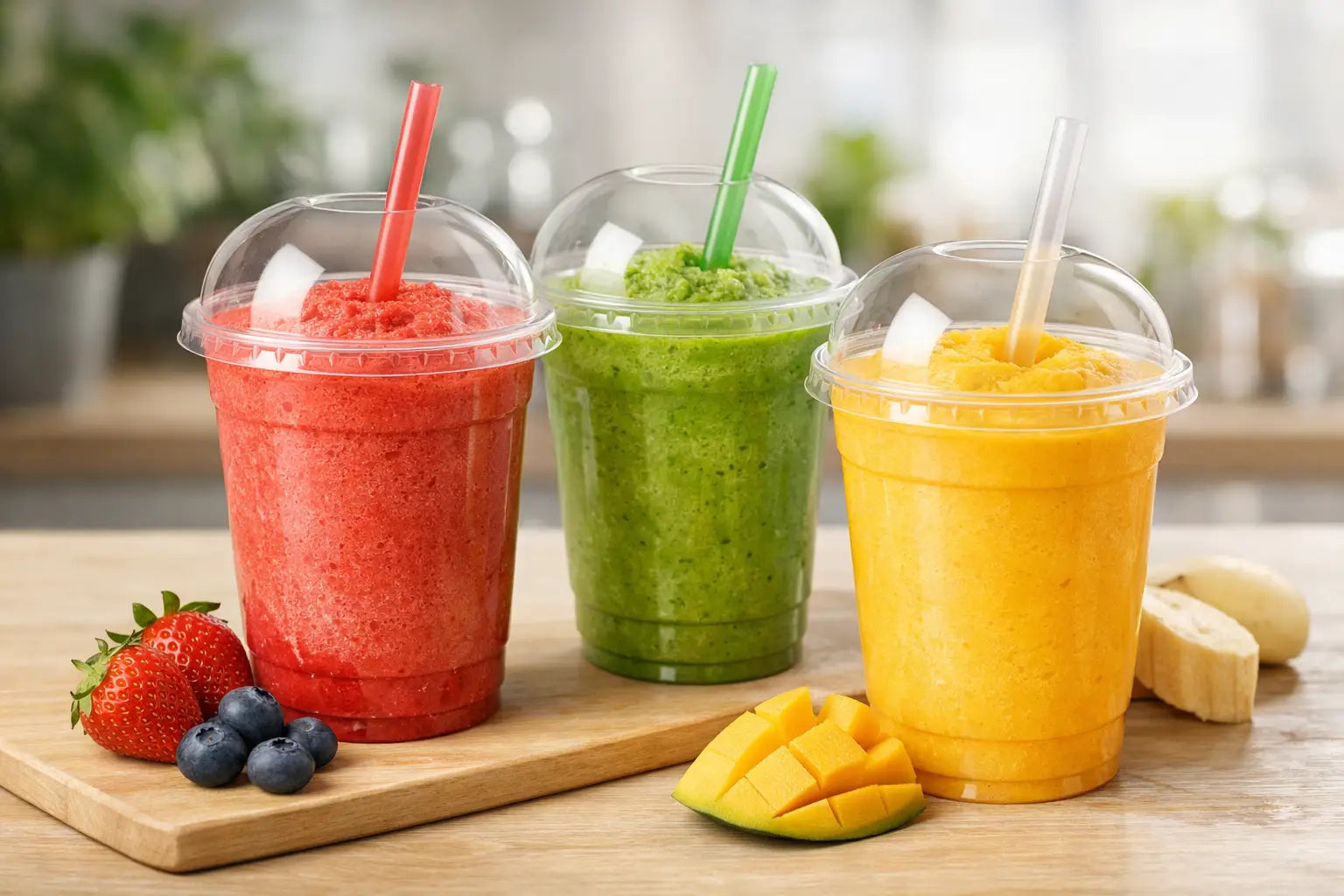
For drinks, cups and secure lids are essential, but the full setup matters too. If a beverage shares a bag with hot food and loose containers, movement becomes the problem. In many cases, separating drinks from food protects both.
Cost control without sacrificing performance
Buyers often try to reduce packaging cost by picking one universal container for everything. It sounds efficient, but it usually creates waste. Oversized containers increase material use and make bags bulkier. Undersized containers create spills, crushed food, or poor presentation.
A smarter approach is to standardize a smaller range of dependable formats. For example, one container for regular hot meals, one deeper option for saucy dishes, one sauce cup size, and one or two bag sizes can cover a large percentage of orders. That keeps inventory manageable while still matching packaging to actual need.
Bulk buying helps, but only when product turnover is steady. Ordering too much of a slow-moving format ties up cash and storage space. Commercial buyers usually benefit from purchasing core items in volume and keeping specialty items tighter. Households and event hosts often do better with versatile options that handle several food types reasonably well.
Reliability is part of value
The lowest unit price is only one part of the decision. Reliable packaging saves labor, reduces remakes, and supports smoother service during busy periods. Staff should be able to pack quickly without second-guessing whether a lid will fit or a bag will hold.
That is where a supply partner with a broad, practical assortment helps. When containers, foil, bags, cups, and related essentials are available in one place, ordering becomes simpler and replenishment gets easier to manage. White Pack fits that need well for buyers who want dependable everyday packaging without wasting time sourcing from multiple vendors.
What businesses and households should prioritize
Restaurants and caterers usually need consistency, stackability, and faster packing flow. Offices and event organizers often need packaging that is clean, presentable, and easy to distribute. Households may focus more on convenience, portioning, and value for family gatherings or special occasions.
The common thread is simple. Packaging should make food easier to serve and safer to transport. It should not create extra work. If staff are double-bagging orders to avoid breakage or adding plastic wrap because lids do not seal well, the current setup is already telling you what needs to change.
A good packaging system is rarely built around one hero product. It is a combination of dependable containers, secure lids, practical bags, and a few support items like foil, cups, and liners. Once those pieces work together, orders move out faster, arrive in better condition, and create fewer problems after delivery.
The best packaging choice is the one that fits your menu, your order volume, and your delivery reality. Start there, test what performs under real use, and keep the items that help you pack faster and serve smarter.