Cart
0
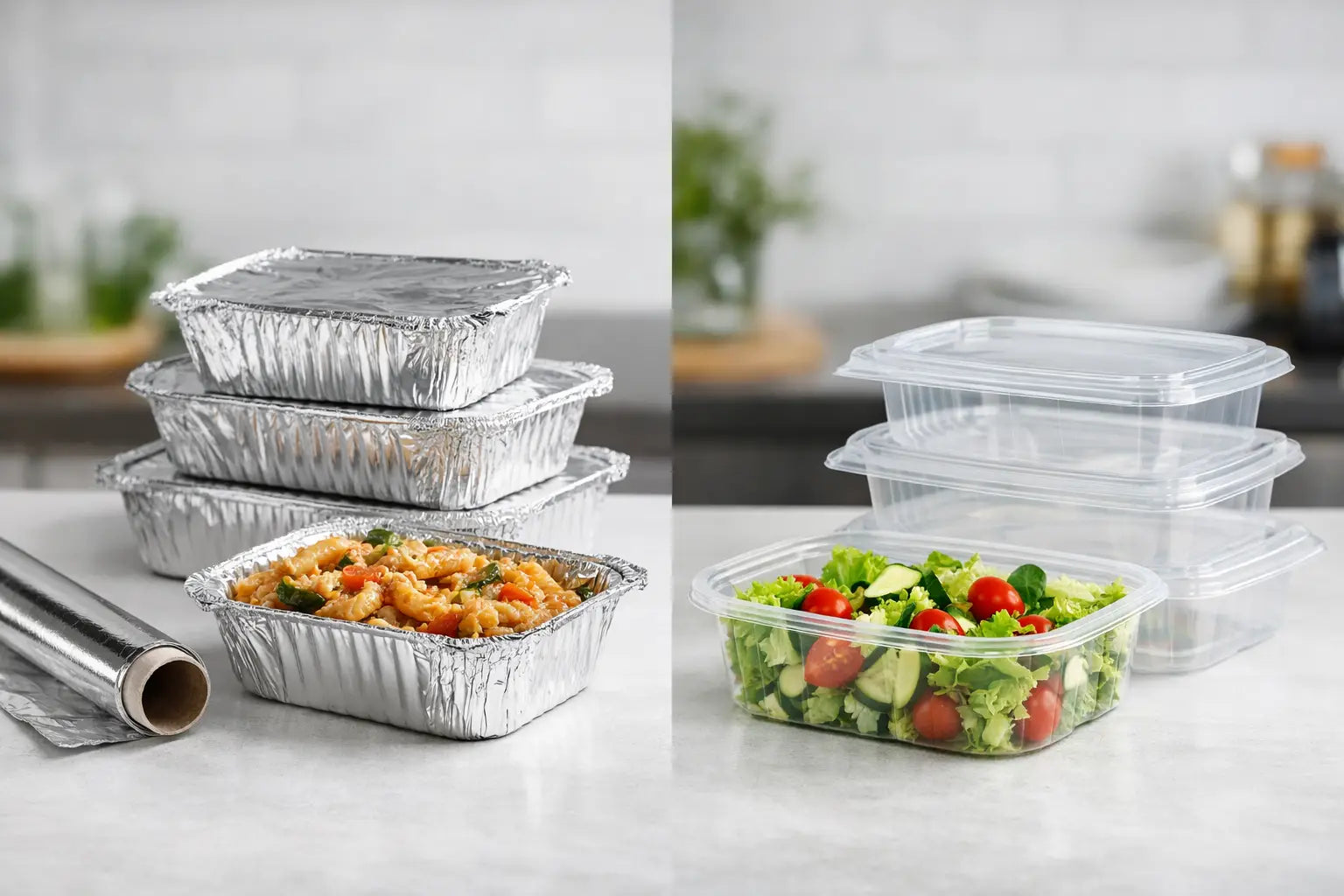
A packed lunch rush, a weekend catering job, or a family gathering can turn into the same question fast: foil containers vs plastic - which one actually makes more sense for the food you are serving? The answer depends less on preference and more on heat, handling, storage time, and the kind of experience you want to deliver. For businesses and households alike, choosing the right container helps control cost, protect food quality, and avoid last-minute problems.
Foil containers vs plastic: the real difference
Foil and plastic containers both solve the same basic problem - holding food securely for transport, storage, or service. Where they differ is performance under pressure. Foil handles high heat well, keeps structure in the oven, and gives a familiar takeout and catering presentation. Plastic is lighter, often easier to stack, and usually better when visibility, cold storage, or microwave convenience matters.
That is why this is rarely a simple better-or-worse decision. A restaurant sending out baked pasta has different needs than an office stocking lunch prep containers. An event organizer serving trays of hot food needs reliability during transport, while a household may care more about leftovers fitting neatly in the fridge.
When foil containers make more sense
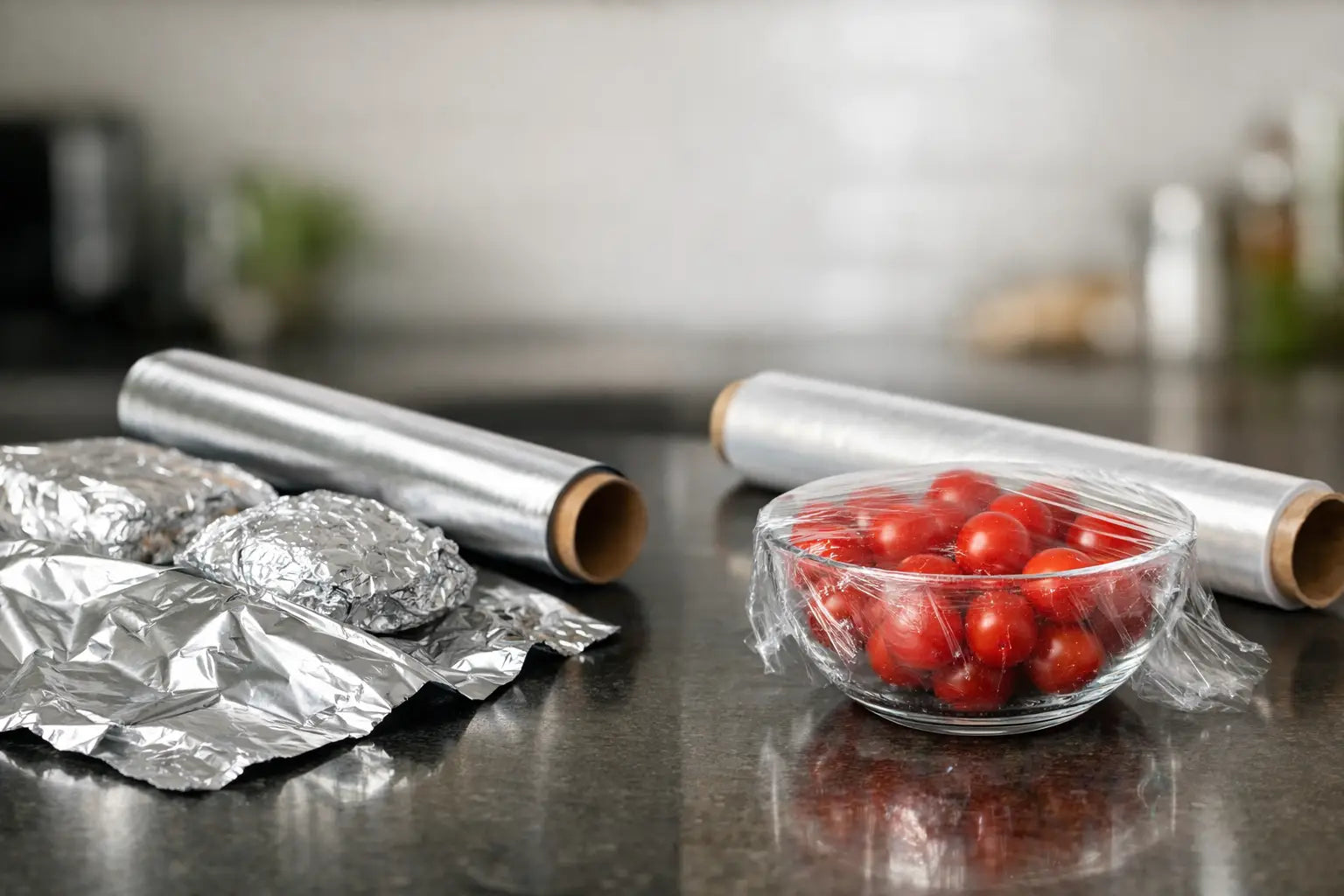
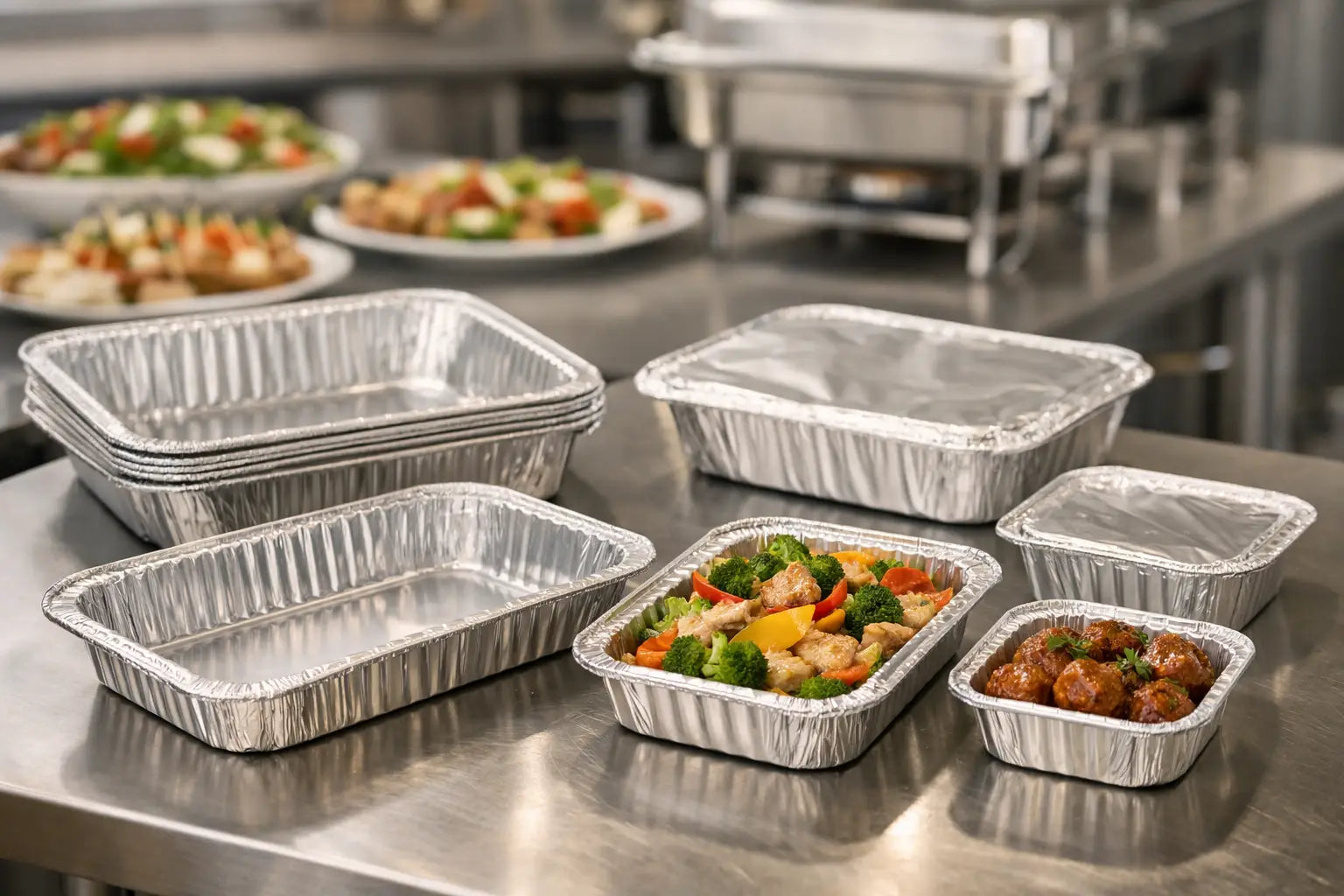
Foil containers are a practical choice when heat is part of the job. They are commonly used for baked dishes, grilled items, roasted sides, and foods that need to go from prep to oven to service without being transferred between containers. That cuts handling time and reduces mess.
Another strength is structure. A good foil container holds its shape well during cooking and serving, especially for heavier meals. For caterers and food businesses, that matters when portions need to look presentable on delivery or buffet lines. Foil also gives off a more premium, food-service-ready appearance for certain meals, particularly trays, pans, and family-style servings.
Foil is also useful for batch prep. If you are preparing meals in advance, especially hot meals for later service, foil containers simplify portioning and reheating. They are a common fit for catering orders, hotel service, meal prep operations, and holiday hosting.
Best uses for foil containers
Foil usually performs best with oven-cooked foods, hot entrees, baked casseroles, roasted vegetables, and larger serving portions. It is also a strong option for foods that benefit from being covered and kept warm during transport.
Where foil has limits
Foil is not the answer for every application. It does not offer product visibility the way clear plastic can, which matters for display, grab-and-go service, and identifying stored items quickly. It can also bend if handled roughly, especially in thinner gauges. For acidic foods or long-term storage, buyers may want to review the exact product specifications and intended use.
When plastic containers are the better fit
Plastic containers are popular for one reason above all: convenience. They are lightweight, easy to handle, and available in many shapes for deli service, meal prep, sauces, salads, desserts, and leftovers. If your operation relies on quick packing, clear labeling, and efficient fridge storage, plastic often wins on workflow.
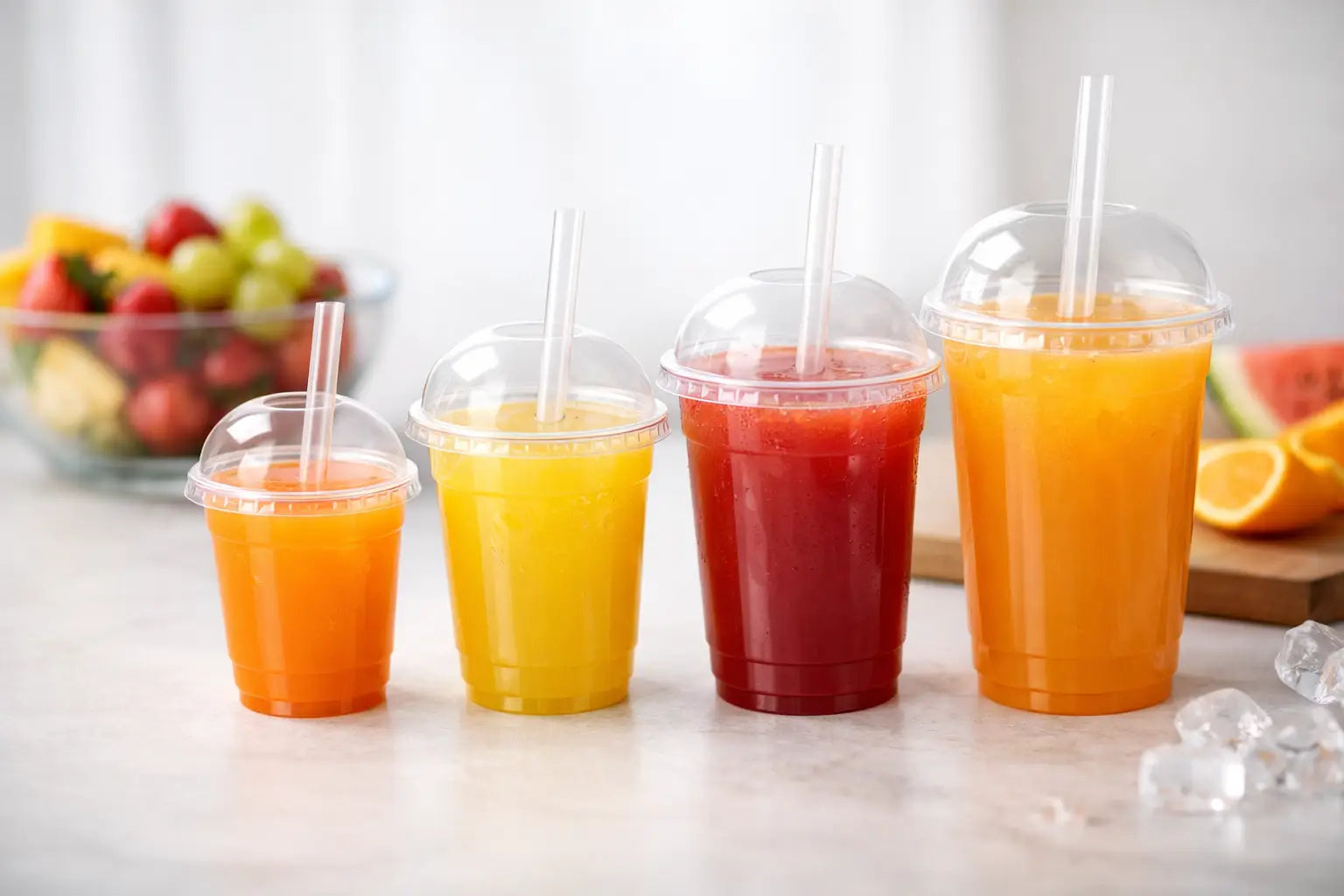
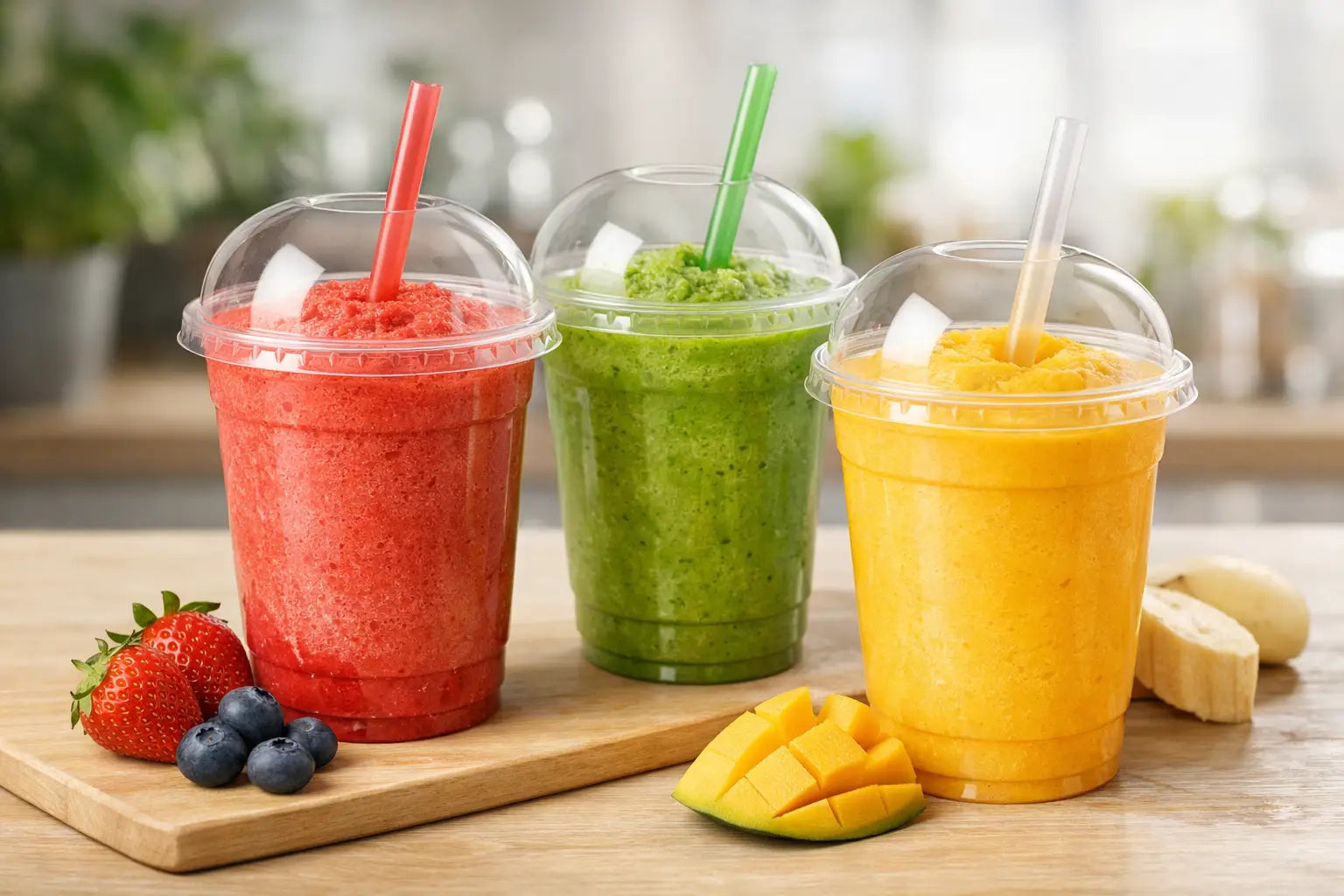
Visibility is a major advantage. Clear plastic lets customers and staff see what is inside without opening the lid. For prepared foods, cold items, bakery products, or refrigerated meals, that can improve presentation and reduce mix-ups.
Plastic also tends to be easier for everyday stack-and-store use. In busy kitchens, offices, and homes, containers that fit neatly into coolers, refrigerators, and shelves save space and speed things up. For cold applications especially, plastic is often the more practical option.
Best uses for plastic containers
Plastic is well suited to salads, cold sides, cut fruit, desserts, sauces, meal prep portions, and foods that need refrigeration. It is also a strong choice when customers may reheat in a microwave, assuming the container is rated for microwave use.
Where plastic has limits
The biggest limitation is heat. Not every plastic container is built for high temperatures, oven use, or very hot fills. Even microwave-safe options vary by product. For food-service buyers, that means checking specifications instead of assuming one plastic container can do every job. Plastic can also warp under high heat or lose its clean appearance if food is especially greasy or hot.
Cost, ordering, and operational efficiency
For many buyers, the real decision comes down to cost per use, not just unit price. Plastic containers may appear cheaper in some formats, while foil can offer better value in heat-based applications by reducing the need for transfers, extra pans, or reheating issues. The smarter buy is the one that matches the job closely enough to prevent waste.
Restaurants and caterers often benefit from keeping both on hand. Foil can cover hot entrees and oven-ready items, while plastic handles cold prep, sides, sauces, and display-ready foods. That split approach avoids overusing one format where it does not perform well.
For households, the same logic applies on a smaller scale. If you host often, foil trays can simplify oven cooking and serving. For weekly lunch prep or leftover organization, plastic may be more convenient. The best setup usually is not all foil or all plastic. It is the right mix for how you actually cook, store, and serve food.
Food quality and customer experience
Container choice affects more than storage. It affects how food arrives, how long it holds up, and how customers judge the meal before the first bite. A flimsy package can make a good dish feel less dependable. A container that traps too much condensation can hurt texture. A lid that does not fit properly can lead to leaks and complaints.
Foil often supports hot food quality better because it is suited to cooking and heat retention. Plastic often improves convenience for cold foods and organized storage. For delivery, pickup, catering, and events, matching the container to the menu is one of the easiest ways to protect presentation.
This matters even more for repeat business. Customers may not always mention the container, but they notice when food travels well, stays secure, and looks professional on arrival. For hosts at home, the same principle applies. Good containers make serving easier and cleanup more manageable.
Disposal and sustainability considerations
Buyers also compare foil containers vs plastic based on disposal and environmental concerns. This is where broad assumptions can lead to poor decisions. The more useful question is how the container will actually be used, sorted, and discarded in your setting.
Foil may appeal to buyers looking for a metal-based option, especially for hot food service. Plastic may remain the practical choice where lightweight transport and visibility reduce waste or improve efficiency. In either case, responsible purchasing starts with using the right size, avoiding unnecessary extras, and selecting products that match the intended use rather than defaulting to the cheapest option.
For commercial operations, that can mean standardizing a few reliable container types instead of carrying too many overlapping formats. For households, it can mean buying the sizes you use most instead of overstocking novelty shapes that sit unused.
How to choose the right option for your needs
If the food is going in the oven, being served hot, or needs a stronger catering presentation, foil is usually the safer choice. If the food is cold, refrigerated, visible on display, or packed for microwave-friendly convenience, plastic is often the better fit. If your menu includes both, you will likely get better results by stocking both.
The practical way to buy is to start with your most common use case. Think about food temperature, storage time, transport distance, lid security, and serving style. Then choose the container material that reduces hassle instead of creating it.
For businesses, consistency matters just as much as price. Ordering dependable supplies from one source helps keep prep, packing, and service running smoothly. That is why many buyers prefer a broad supplier such as White Pack, where hot-food containers, plastic meal prep options, and other disposable essentials can be sourced together without wasting time across multiple vendors.
A good container should do its job quietly. It should protect the food, support your workflow, and make service easier from kitchen to customer to cleanup. Choose the one that fits the food in front of you, and the rest tends to run a lot smoother.