Cart
0
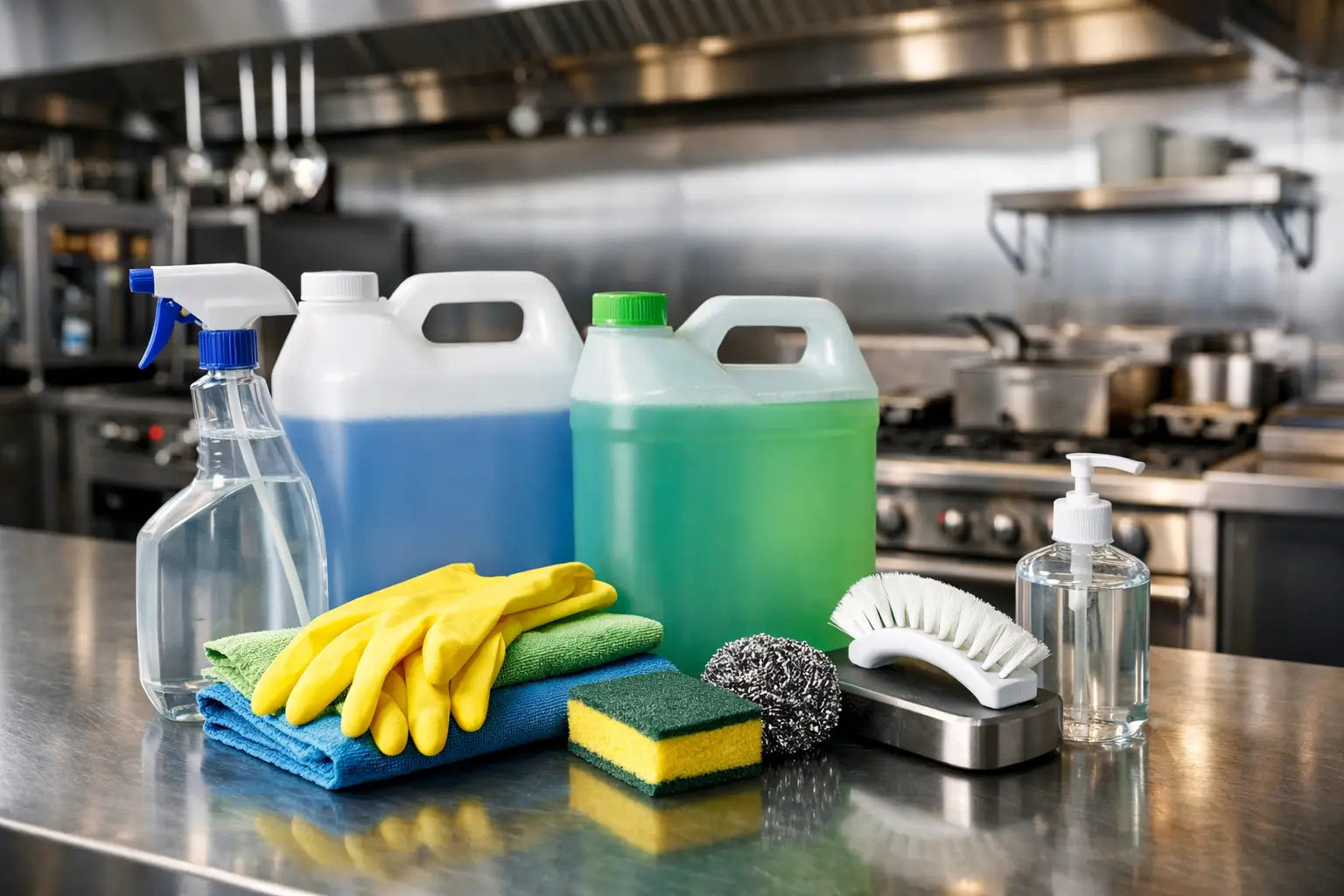
A commercial kitchen can look busy and productive while still hiding the two things that cause the most trouble - grease buildup and inconsistent cleaning. When that happens, equipment wears faster, floors get slippery, and food prep standards become harder to maintain. Choosing the right منتجات تنظيف للمطابخ التجارية is less about buying the strongest chemical on the shelf and more about matching each product to the job, the surface, and the pace of your operation.
For restaurants, catering kitchens, hotels, bakeries, and even high-volume home setups, the best cleaning supplies are the ones that save time without creating new problems. A cleaner that cuts grease well but damages stainless steel is not a good buy. A low-cost floor product that leaves residue can increase slip risk and create more work by the next shift. Practical purchasing starts with understanding what each product is supposed to do, where it should be used, and how often you actually need it.
How to choose منتجات تنظيف للمطابخ التجارية
The first decision is not brand. It is function. Commercial kitchens need separate solutions for food-contact surfaces, degreasing, dishwashing, floors, restrooms, drains, and hand hygiene. One all-purpose cleaner may help with light daily wiping, but it will not replace a proper degreaser near fryers or a sanitizer for prep tables.
Volume matters too. A small coffee shop and a large restaurant may both need sanitizer, but the right pack size will be very different. Buying too little creates supply gaps at the worst time. Buying too much of a slow-moving chemical can lead to waste, storage issues, or expired stock. This is where a dependable supply source makes a difference - especially if you are ordering cleaning materials alongside disposable cups, containers, foil, and other day-to-day operating essentials.
Another factor is staff usability. If a product is confusing to dilute, unpleasant to handle, or too harsh for frequent use, teams often use it incorrectly. That leads to inconsistent results, higher consumption, and avoidable surface damage. In a busy kitchen, simple and reliable usually wins.
The core product categories every kitchen needs
Degreasers for cooking lines and heavy buildup
Grease is the biggest cleaning challenge in most commercial kitchens. It collects on stovetops, backsplash areas, hoods, oven exteriors, and surrounding walls. A commercial degreaser is designed to break that buildup down faster than a general-purpose cleaner, which helps reduce scrubbing time and improve overall hygiene.
But stronger is not always better. Some degreasers are ideal for heavy-duty use on non-porous, grease-loaded surfaces, while others are safer for routine cleaning. If your team is using the same aggressive product all day on every surface, you may end up with discoloration, irritation, or wasted product. The smarter choice is usually a heavy-duty option for deep grease zones and a lighter daily cleaner for routine wipe-downs.
Food-safe surface cleaners and sanitizers
Prep counters, cutting areas, service stations, and high-touch kitchen surfaces need products that support food safety, not just appearance. A surface can look clean and still be unsuitable for food prep if it has not been properly sanitized.
This is where product selection needs attention. Some solutions are built mainly for removing soil, while others are designed to reduce bacteria after cleaning. In practice, many kitchens need both steps. If grease, crumbs, or residue remain on the surface, sanitizer performance can drop. That is why cleaning and sanitizing should be treated as connected tasks, not the same task.
Floor cleaners that do not create extra risk
Kitchen floors take constant abuse from oil, spills, food debris, and heavy foot traffic. The wrong floor cleaner can leave behind a slick film or fail to cut through grease at all. That creates a hazard for staff and slows down service when repeat mopping is needed.
A good commercial floor cleaner should match the floor type and the level of grease exposure. Back-of-house cooking areas usually need something stronger than front service corridors. It also helps to choose products that rinse clean and work well with the mops, buckets, or floor machines already in use.
Dishwashing products for manual and machine use
Dishwashing needs vary more than many buyers expect. Manual sink washing, glassware cleaning, and machine dishwashing all place different demands on soap or detergent. A product that works well for hand-washing utensils may not be right for a commercial dishwasher, and vice versa.
The same goes for water conditions. Hard water can affect performance, increase spotting, and force teams to use more product than necessary. In kitchens with a lot of cookware, trays, and food-contact tools moving all day, the right dishwashing solution supports speed, cleanliness, and cost control at the same time.
Hand hygiene and washroom support products
No kitchen cleaning program is complete without dependable hand soap, paper products, and supporting hygiene supplies. These may seem basic, but they affect compliance, staff habits, and the overall cleanliness of the operation.
If soap dispensers are empty, paper supplies run out, or products are unpleasant to use, staff behavior changes quickly. Reliable restocking is part of sanitation. For many buyers, it makes sense to source these items together with kitchen cleaning products to reduce ordering friction and avoid shortages.
Where buyers often overspend
One common mistake is paying for specialty products where a standard commercial cleaner would do the job. Another is buying low-cost products that require double the quantity to get acceptable results. The cheapest option on paper is not always the lowest operating cost.
Packaging format also affects value. Concentrates may offer better long-term savings for larger operations, but only if staff dilute them correctly. Ready-to-use products reduce mixing errors and save time, which can be a better fit for smaller teams or businesses with frequent staff turnover. It depends on your workflow.
Storage and reorder patterns matter as well. If you routinely run short on degreaser or sanitizer during peak periods, the issue may not be product choice but purchasing rhythm. Consistent stock levels are part of efficient kitchen management.
Safety matters as much as cleaning power
In commercial kitchens, chemical performance should never be separated from safe handling. Strong cleaners can be useful, but only when they are appropriate for the surface and used as directed. Products that are too harsh for routine use can damage finishes, affect air quality in tight spaces, or create avoidable contact risks for staff.
Clear labeling, easy identification, and straightforward instructions make daily use more reliable. This matters even more in operations with multiple shifts, part-time staff, or seasonal teams. A product that performs well but invites repeated misuse can become expensive very quickly.
It is also worth considering compatibility with the surfaces in your kitchen. Stainless steel, tile, sealed floors, plastic prep stations, and glass each respond differently to repeated chemical exposure. The right product mix helps protect your kitchen investment, not just clean it.
Buying for one kitchen versus multiple locations
If you manage more than one site, standardization becomes a major advantage. Using the same core cleaning supplies across locations makes training easier, simplifies reordering, and reduces confusion during inspections or shift changes. It also helps with bulk purchasing and predictable inventory planning.
That said, not every location needs the exact same mix. A fryer-heavy quick-service kitchen may need more degreasing capacity than a café or bakery. A catering prep facility may use more sanitizing product and dishwashing supplies than a small grab-and-go concept. Standardize where it helps, then adjust where usage clearly differs.
For single-location buyers, convenience still matters. Ordering cleaning products, disposable packaging, cups, containers, liners, and service essentials from one supplier saves time and reduces administrative hassle. That operational convenience is often worth as much as a small unit-price difference.
What dependable supply really looks like
A good supplier does more than list products. They make it easier to buy the right quantity, reorder fast, and keep core items available when your kitchen needs them. That is especially valuable for businesses balancing hygiene standards, labor pressure, and tight margins.
White Pack fits this kind of buying process well because many kitchens do not shop for cleaning products in isolation. They need a practical source for everyday operating supplies across multiple categories, with pricing and pack sizes that work for both business demand and routine replenishment.
The goal is not to build the biggest cleaning cabinet. It is to build a reliable system. When your degreaser works, your sanitizer is stocked, your floor cleaner matches the job, and your dishwashing supplies keep pace with service, the whole kitchen runs better.
Choose products that fit the real conditions of your operation, not an idealized version of it. That is usually where cleaner kitchens, lower waste, and smoother shifts start.