Cart
0
A kids’ birthday for 15 guests can burn through cups, napkins, serving trays, and cleanup supplies faster than most hosts expect. That is exactly why a دليل تجهيز مستلزمات المناسبات الصغيرة should start with one practical rule - buy for flow, not just headcount. You are not only serving people. You are managing setup, food service, refills, storage, and cleanup in a limited space and usually on a limited budget.
Small events look simple on paper, but they are where supply gaps show up first. One missing lid, not enough paper cups, weak takeaway containers for leftovers, or no trash liners at the end can turn a short gathering into extra work. A better plan is to group supplies by how the event actually runs, then choose reliable quantities and materials that match the menu, the guest mix, and the time of day.
What a small event really needs
Most small events do not fail because of decoration. They fail because the service basics were underestimated. A brunch at home, an office gathering, a baby shower, or a casual family dinner all need the same operational core - serving items, eating essentials, food holding containers, and cleanup products.
That means your supply plan should begin with four functions. First, how food will be presented. Second, how guests will eat and drink. Third, how leftovers or extra portions will be stored. Fourth, how the space will be cleaned quickly once the event is over. If one of those functions is weak, the whole event feels less organized.
This is where buyers often overspend in the wrong place. They may buy decorative extras while underordering practical basics like napkins, straws, foil trays, or disposable cutlery. For a smooth event, useful items should always come first.
دليل تجهيز مستلزمات المناسبات الصغيرة حسب نوع التقديم
The menu should decide most of your purchases. If you are serving finger foods, you can keep things lighter with small plates, paper cups, napkins, toothpicks, and a few serving trays. If you are offering full meals, you need sturdier plates, larger cups, complete cutlery, and containers that can handle heat, sauces, or oily foods without leaking.
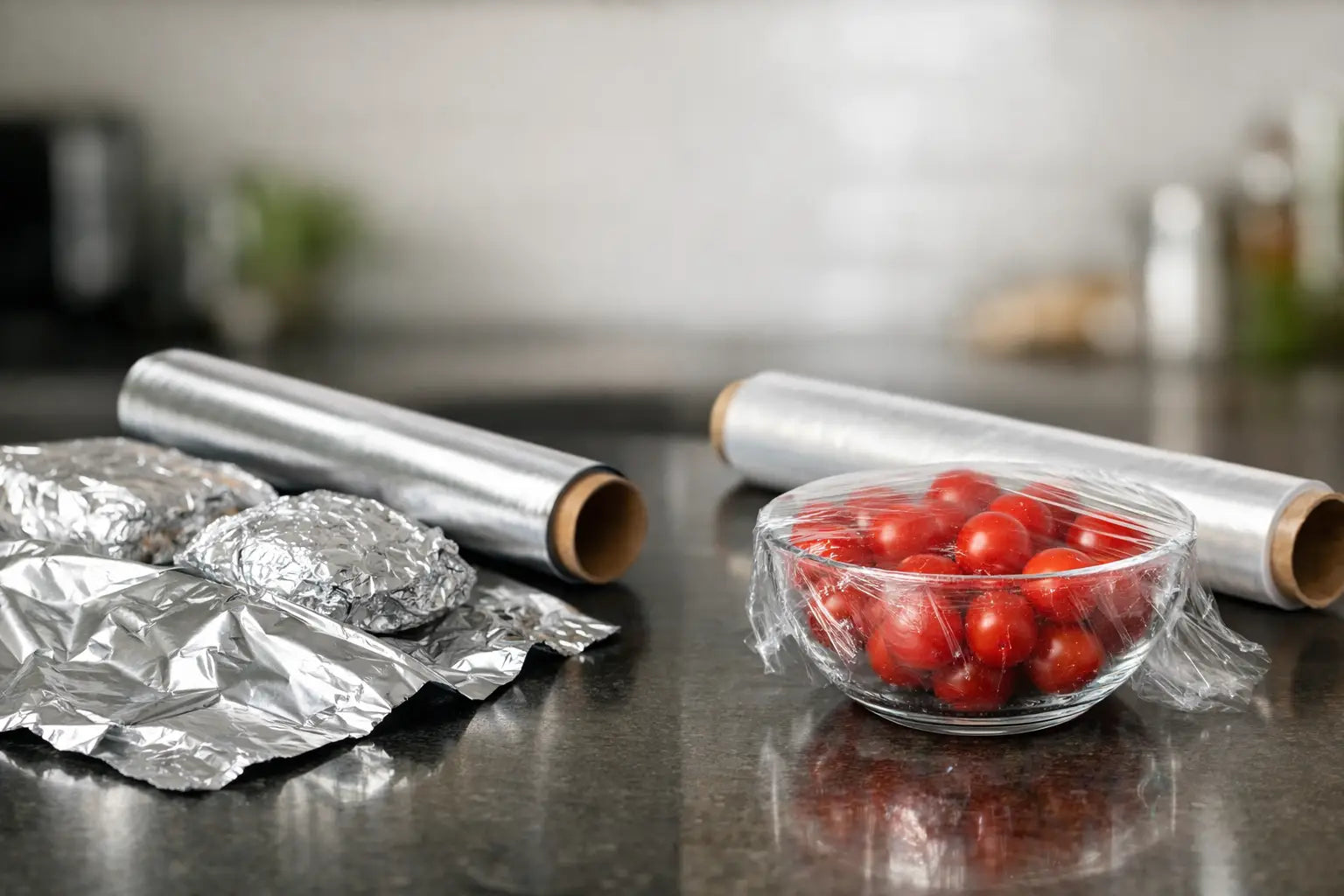
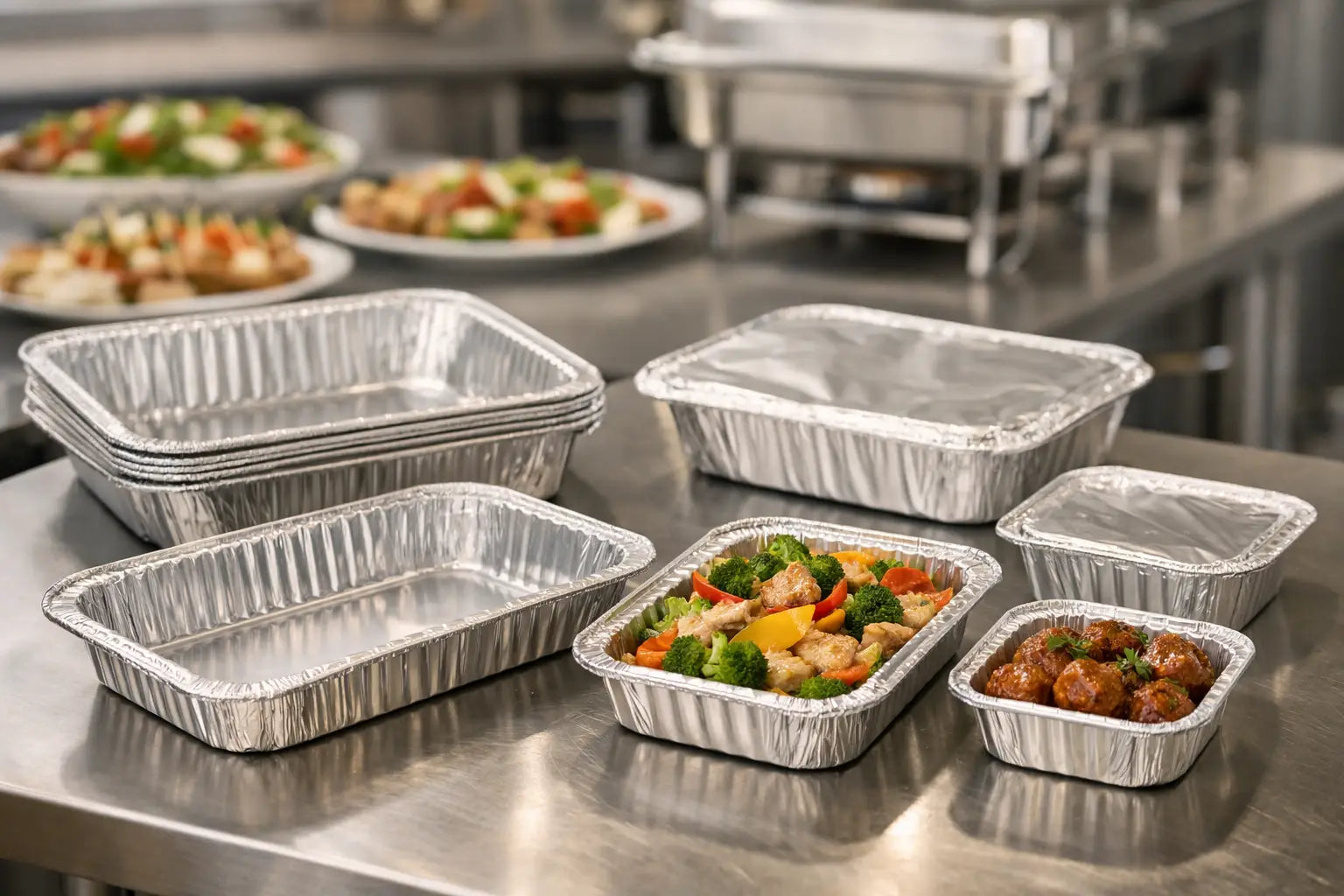
For hot foods, aluminum trays and foil containers are often the safest choice because they hold shape well and help with portioning and reheating. For cold desserts, fruit, salads, or side dishes, clear plastic containers or trays make presentation easier and speed up service. If guests may take food home, microwave-safe containers become more useful than standard lightweight packaging.
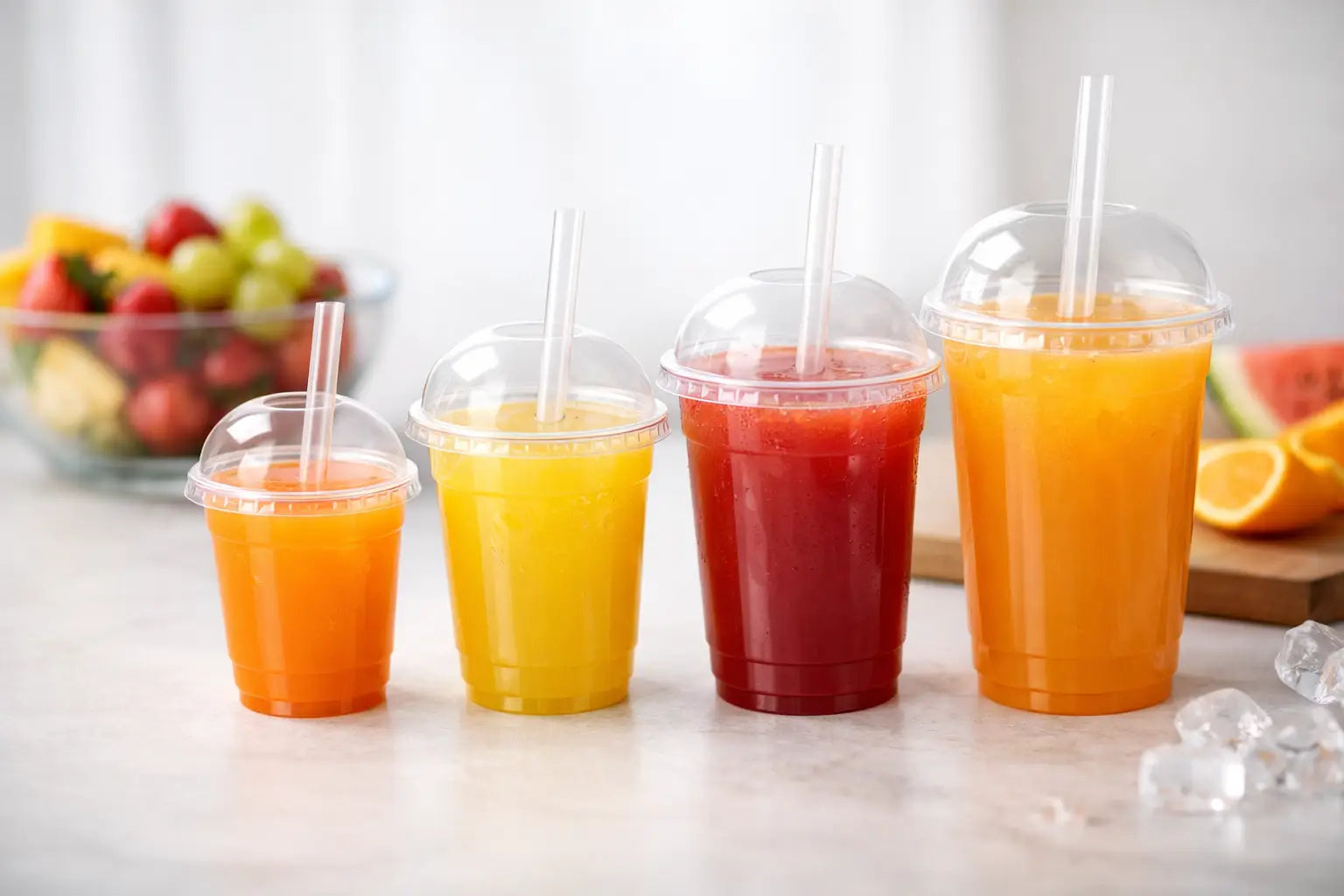
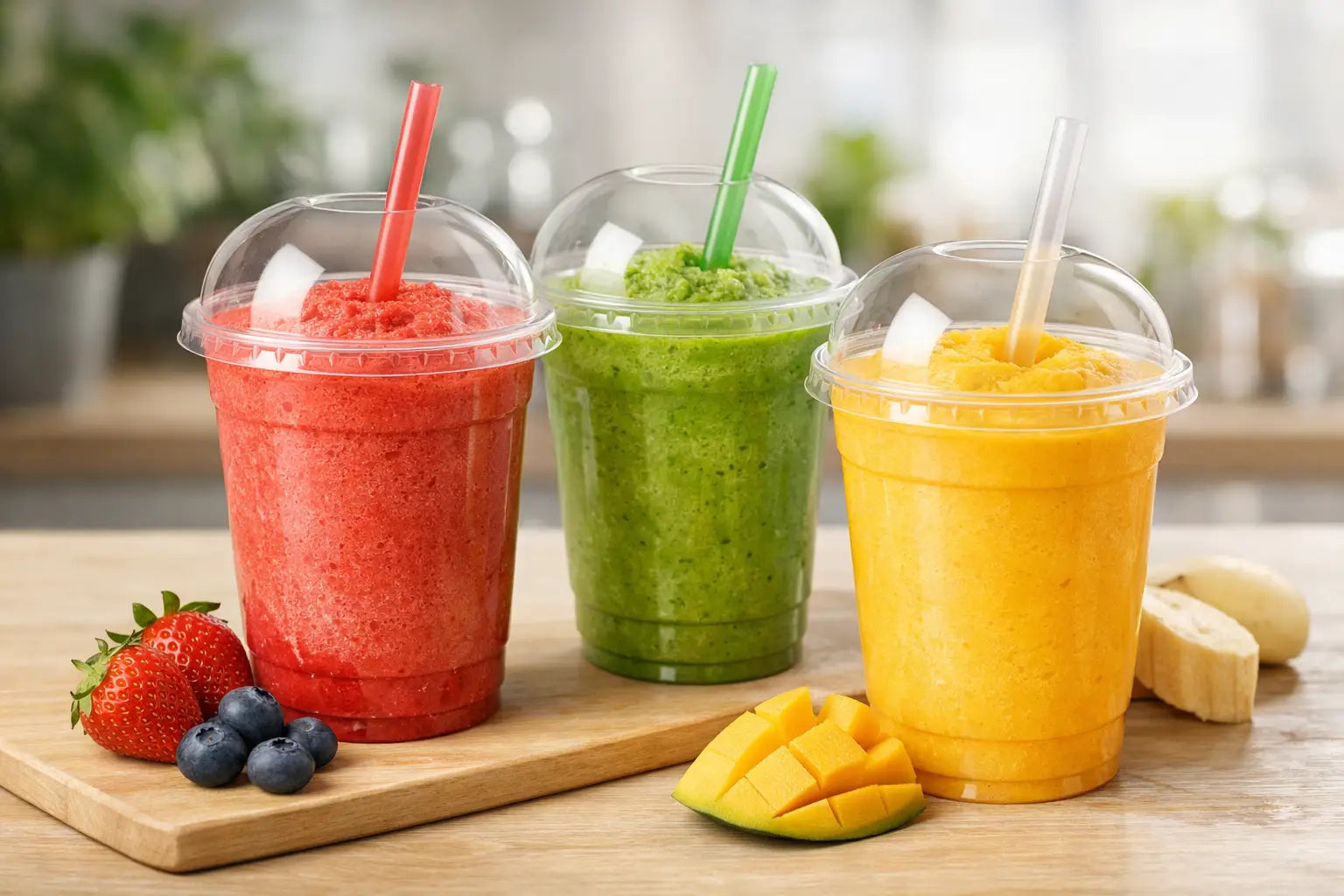
Drinks need the same kind of thinking. Water, juice, coffee, and soft drinks do not all require the same cup. A short morning meeting may only need paper cups and stirrers. A mixed family event with kids and adults may need multiple cup types to avoid spills and confusion. It depends on the format. If people are seated, you can be more precise. If they are moving around, plan for extra cups.
Match the material to the job
Not every disposable item performs the same way. Thin cups may work for water stations but feel weak for hot drinks. Lightweight plates may be fine for cake but not for rice, pasta, or grilled food. This is where practical buying saves money. The cheapest item is not always the most cost-effective if guests double up or replacements are needed halfway through the event.
A better approach is to choose by use case. Use stronger items where weight, heat, or moisture matter, and simpler options where they do not. That balance keeps costs under control without compromising service.
How to estimate quantities without overbuying
For small events, overbuying by a little is smart. Overbuying by a lot is wasteful. The difference comes down to knowing where backup stock matters.
Cups, napkins, and trash bags should always have a buffer. Guests reuse plates sometimes, but they rarely reuse napkins enough to reduce demand in a meaningful way. Drinks also create repeat use, especially in longer gatherings. If the event lasts more than two hours, expect more cup usage than your guest count suggests.
Food containers are different. If you are not planning to send leftovers home, you can buy closer to actual need. If you know guests will take portions with them, add extra lids and takeaway bags from the start. It is much easier to store what is not used than to improvise at the end.
For hosts managing budget tightly, one useful method is to break quantities into three levels - exact need, service buffer, and cleanup reserve. Exact need covers confirmed guests. Service buffer covers spills, second servings, and unexpected use. Cleanup reserve includes liners, wipes, extra napkins, and one or two spare containers for damaged packaging or overflow.
The serving table is where efficiency shows
A well-supplied serving table reduces traffic, mess, and constant restocking. That matters even more in homes, small offices, and compact venues where people move through one or two central points.
Keep plates, cups, napkins, and cutlery easy to reach in the order guests use them. Place condiments, straws, and toothpicks at the end, not the beginning, so the line moves faster. If food is self-serve, keep spare trays or foil pans nearby in case one station empties faster than expected.
This is also where size consistency helps. Mixed packaging sizes can make a setup feel cluttered and harder to manage. Using coordinated serving containers, matching cup sizes where possible, and stackable trays makes the event look cleaner and work better.
Do not forget the back-of-house basics
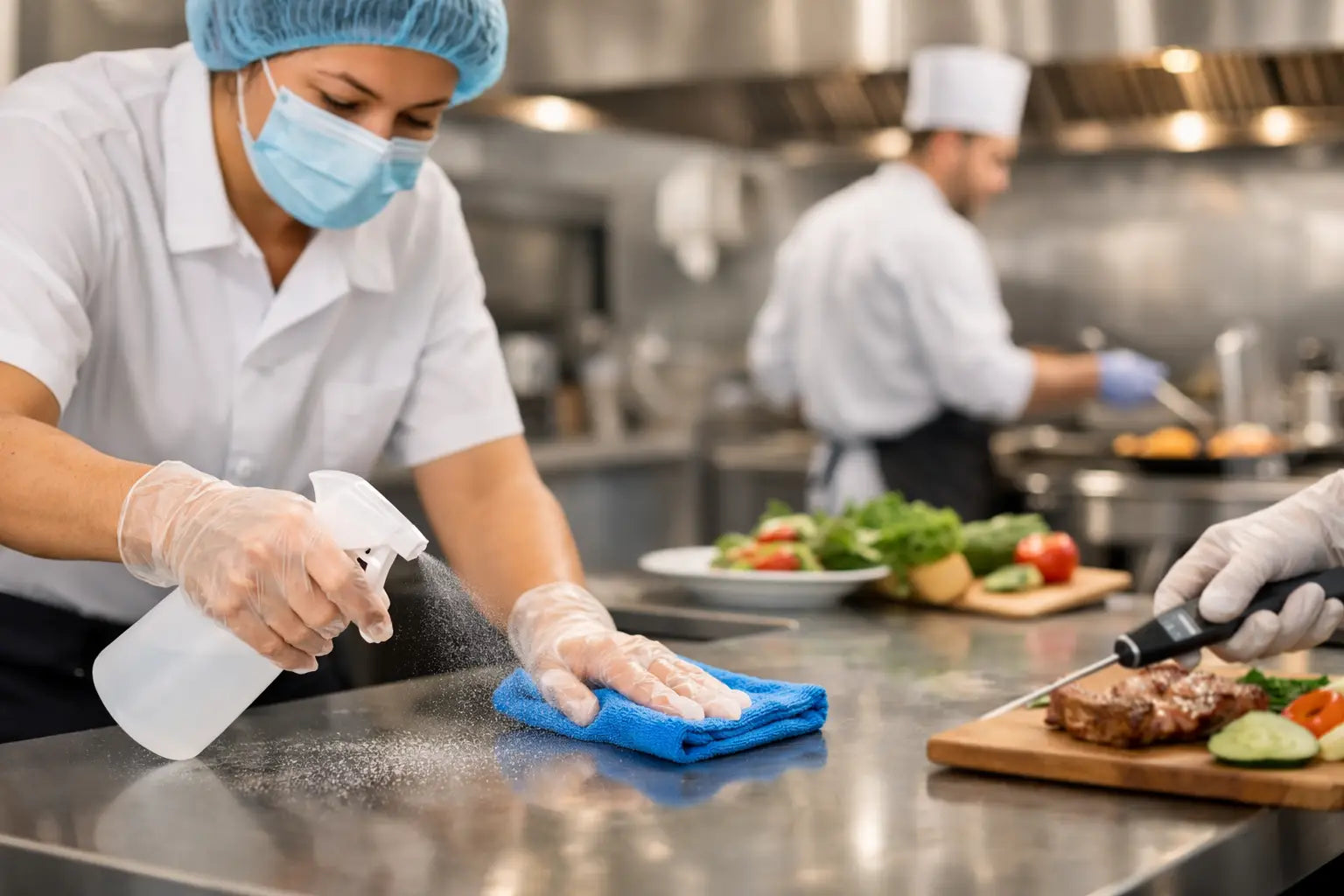
Even at home, every event has a back-of-house side. That includes where extra food is stored, where used packaging goes, and how quickly surfaces can be wiped down. Cleaning cloths, disposable gloves, garbage bags, and surface cleaners are not afterthoughts. They are part of the event plan.
If the event includes children, messy foods, or sauces, cleanup demand increases quickly. If it is a more formal setup with plated food, cleanup may be lighter during service but heavier afterward. Again, it depends on the format. The smart move is to prepare both active-use supplies and closing supplies before guests arrive.
A practical checklist for different small occasions
A family gathering usually needs versatile serving trays, cups for different ages, food containers for leftovers, foil for reheating, and enough cleaning materials to reset the kitchen quickly. An office event often needs simple, fast-distribute items like paper cups, napkins, stirrers, snack trays, and trash liners that can handle constant use.
A kids’ party needs more backup stock than hosts expect. Extra cups, extra napkins, and easy-grab snack containers matter more than formal presentation. A dessert table or tea setup may need less cutlery but more small plates, serving stands, and drink refills. The key is not to use one universal shopping list for every event.
That is why a strong دليل تجهيز مستلزمات المناسبات الصغيرة is less about buying more and more about buying with purpose. When each product has a clear role, the event runs better and the final cost is easier to justify.
Buying smart: quality, convenience, and cost
For small-event buyers, convenience often matters as much as price. Ordering cups from one place, foil trays from another, and cleaning supplies from a third can waste more time than it saves in cost. A single-source order is often the better operational decision, especially for repeat hosts, caterers, office admins, and small business owners who plan events regularly.
Quality consistency matters too. If lids do not fit properly, trays bend under food weight, or bags tear during takeaway, the event feels disorganized even if the food is excellent. Reliable basics are what guests notice without naming them. They remember that drinks were easy to carry, food stayed intact, and cleanup did not drag on.
For that reason, many buyers now shop by outcome instead of by item. They are not just buying paper cups. They are buying faster service. They are not just buying containers. They are buying easier storage and cleaner transport. That mindset leads to better decisions and fewer last-minute fixes. White Pack fits that need well because it brings food-service disposables, packaging, and cleanup supplies into one practical buying flow.
The best small events usually do not look complicated. They feel easy because the supply plan was handled properly before the first guest arrived. If you want the day to run smoothly, start with the basics, match each item to the job, and leave yourself enough margin for the small surprises that always show up.