Cart
0
A takeout bag that tears, a lid that leaks in transit, or a container that wilts under heat can turn a simple order into a complaint. That is why food packaging trends 2026 matter well beyond appearance. For restaurants, caterers, offices, event planners, and households, packaging choices affect food quality, labor, storage space, customer satisfaction, and cost control.
The biggest shift is not about chasing novelty. It is about buying smarter. In 2026, packaging decisions will be shaped by a tighter mix of performance, price pressure, hygiene expectations, and changing local rules. Buyers who understand that balance will make better purchasing decisions and avoid overpaying for features they do not need.
Food packaging trends 2026 are becoming more practical
For years, packaging conversations leaned heavily on image. Now the market is moving toward function-first buying. Businesses still care how packaging looks, but they are asking tougher questions: Does it stack well? Does it hold heat? Does it resist grease? Can staff pack orders quickly? Will it fit delivery, pickup, dine-out leftovers, and prep use without creating inventory chaos?
That practical mindset is shaping the market more than any single material. Buyers want fewer surprises and more consistency. A paper cup, microwave container, foil tray, takeaway bag, or plastic cup now has to do a clearer job in a faster-moving operation.
This is especially true for multi-location food service businesses and small operators watching margins closely. When packaging fails, the hidden costs add up fast through remakes, refunds, waste, and slower service.
Material choice is getting more specific
One of the clearest food packaging trends 2026 buyers will notice is a move away from one-size-fits-all ordering. Instead of trying to standardize everything into one material, businesses are matching packaging more closely to actual use.
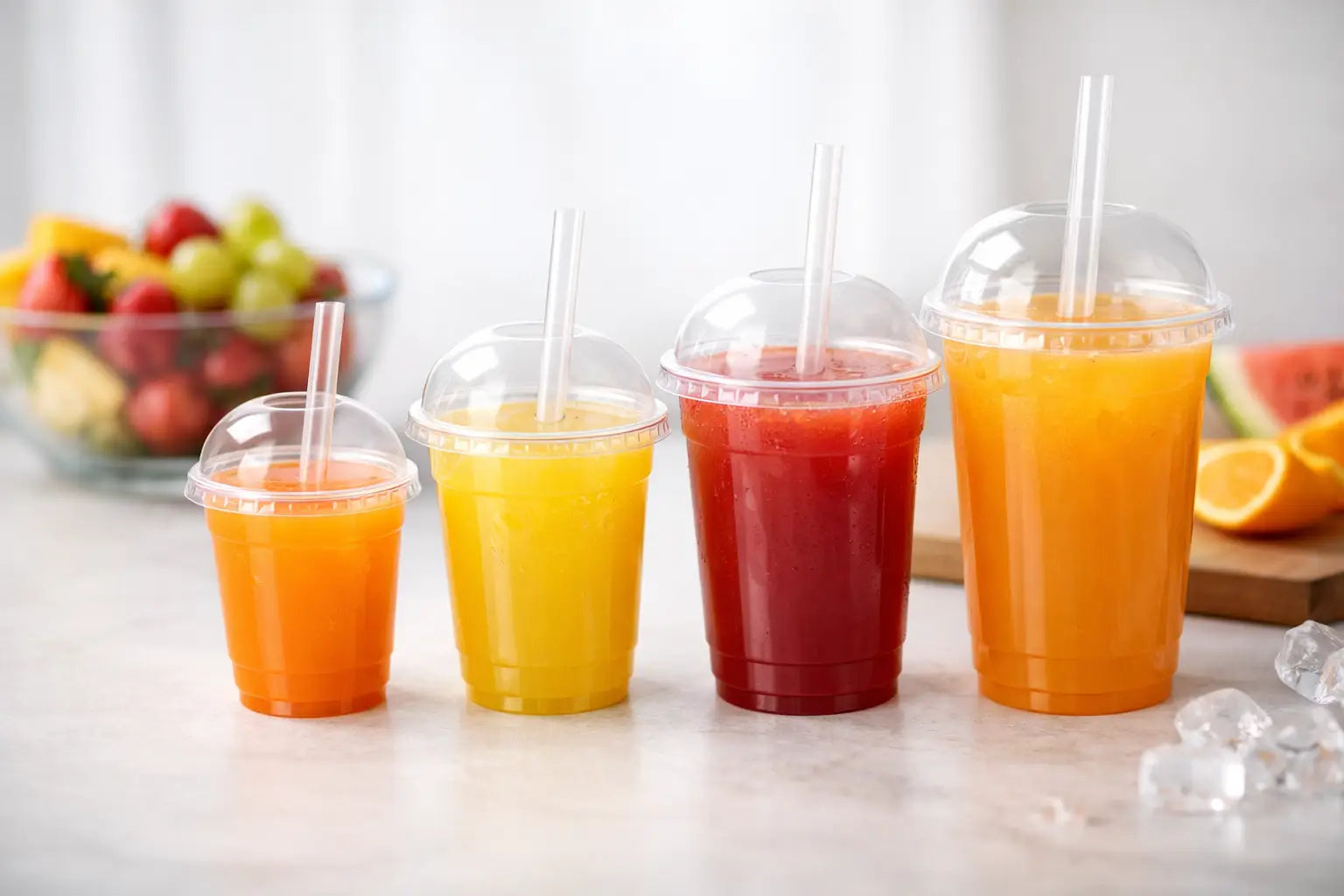
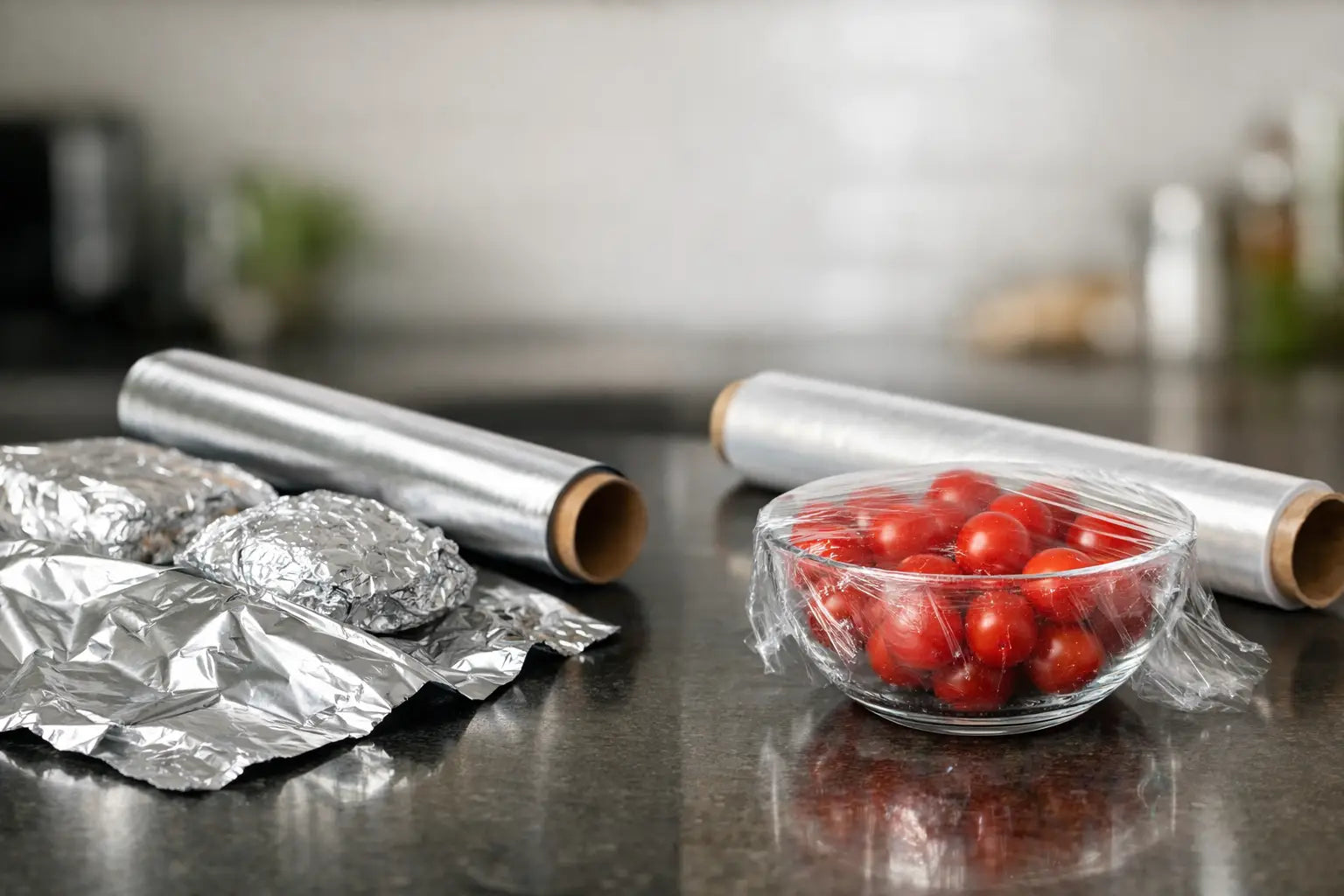
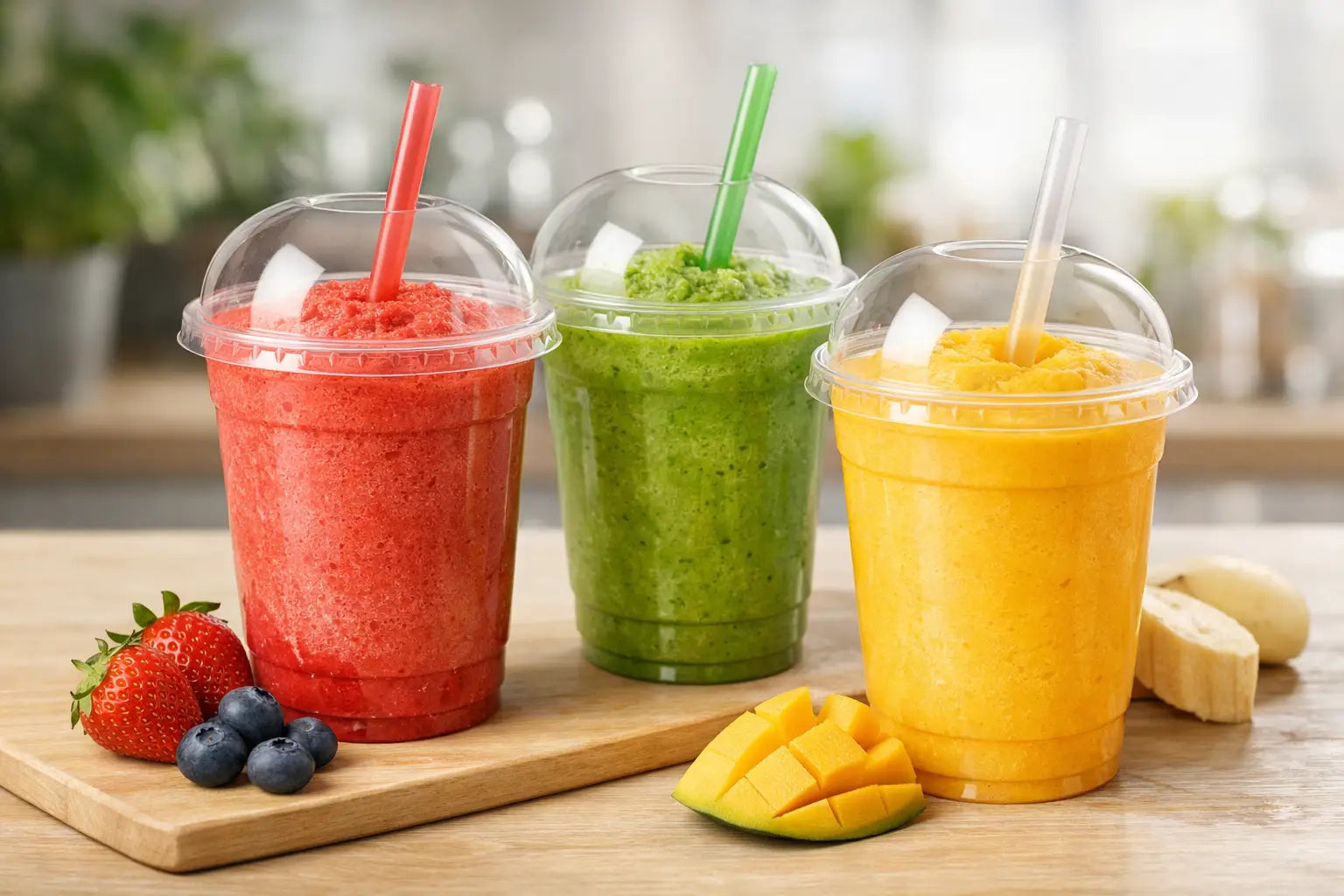
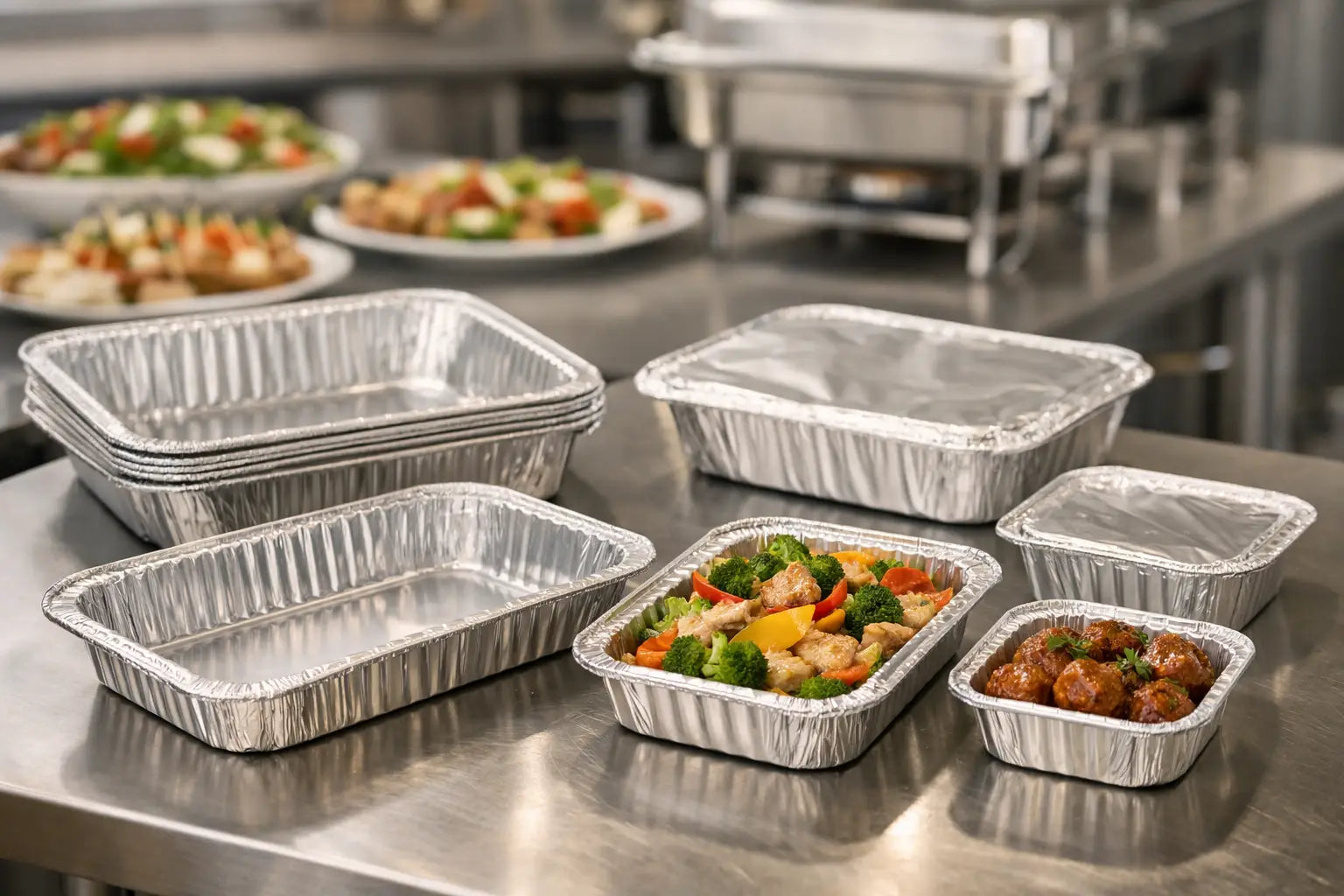
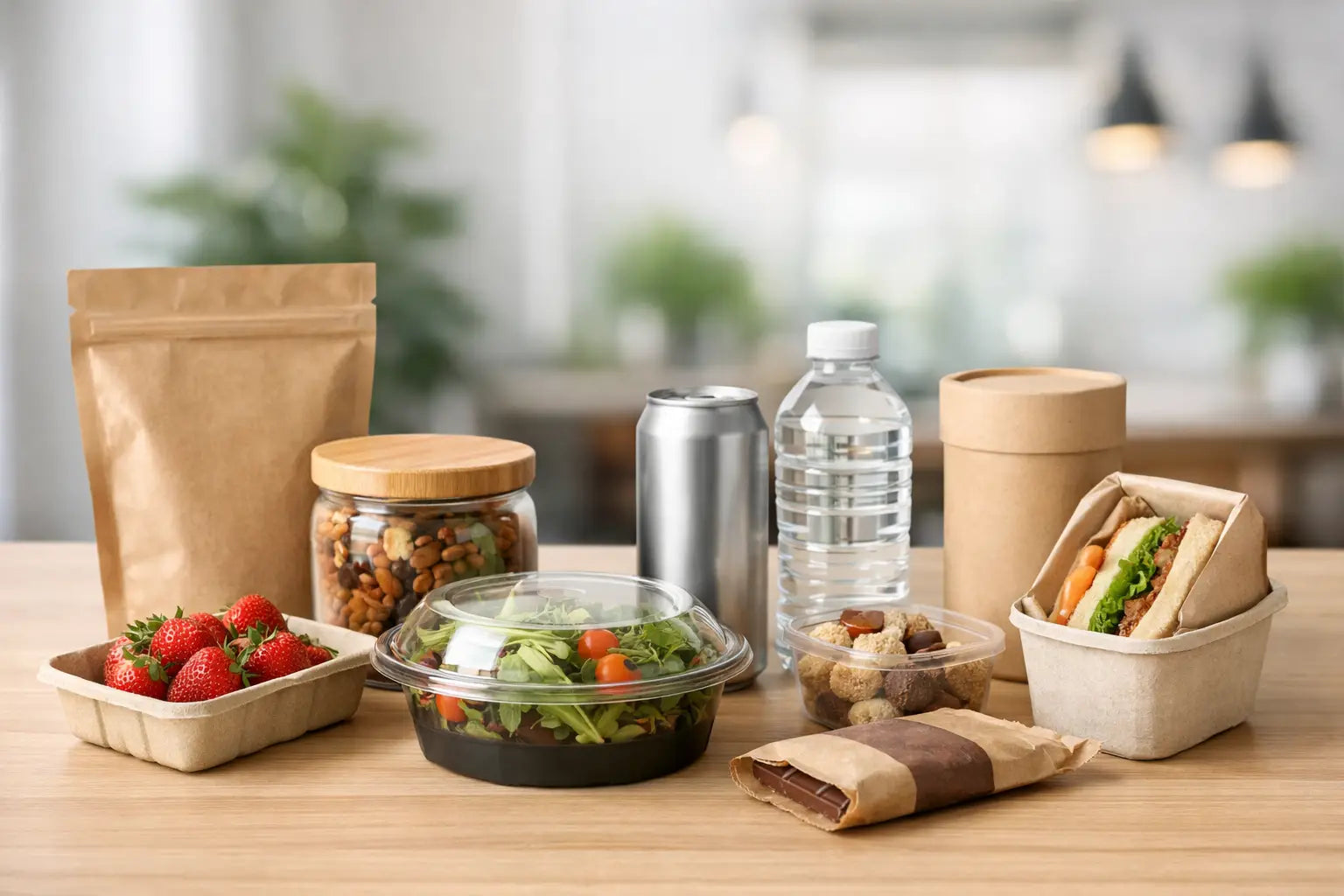
Aluminum remains a strong choice where heat retention, oven use, and dependable structure matter. It works well for catering trays, baked dishes, and foods that need reheating. Paper-based options continue to grow for lighter applications, especially where presentation and grab-and-go convenience matter. Plastic still has a place in cold drinks, deli items, sauces, and many takeaway applications because it offers visibility, lid compatibility, and reliable moisture resistance.
The trade-off is straightforward. A lower-cost option may work for some menu items but fail on others. A more premium container may reduce leakage or improve presentation, but only make financial sense on higher-value orders. In 2026, smart buyers will segment their packaging instead of overcommitting to one format.
Hybrid packaging strategies will grow
Many businesses are finding that mixed packaging programs work better than strict material policies. A caterer may use foil containers for hot entrees, paper cups for service stations, plastic cups for cold beverages, and kraft containers for selected takeaway items. That approach gives more control over performance and cost.
For households, the same logic applies during parties, meal prep, and seasonal gatherings. Buying by use case, not just by unit price, usually leads to fewer problems.
Cost control will matter as much as sustainability
Sustainability will stay in the conversation, but 2026 purchasing will be more grounded. Buyers are looking for practical improvements, not broad claims that do not hold up in daily use.
That means lighter packaging where it still performs, better case-pack planning, and more attention to storage efficiency. It also means choosing items that reduce waste in real conditions. A flimsy container that gets replaced or double-packed is not an efficient choice, even if it sounds better on paper.
Businesses are also becoming more cautious about paying extra for packaging features customers barely notice. If a premium finish or specialty shape does not improve transport, temperature control, or handling speed, many operators will skip it.
This does not mean sustainability is fading. It means buyers want proof through usefulness. Packaging that helps reduce food loss, improves portion control, or lowers damage rates will win more business than packaging that relies only on messaging.
Delivery and transport performance is now a core requirement
The rise of off-premise dining changed packaging standards, and that pressure is not going away in 2026. Containers need to travel better, stack better, and protect presentation longer.
For hot foods, steam management matters almost as much as heat retention. A package that traps too much moisture can leave fried items soggy and baked goods soft. For cold foods, leak resistance and lid fit remain critical. Drinks, sauces, and combo meals all create risk points during transport.
This is why operators are simplifying around proven formats. Standardized lids, dependable sealing, and predictable sizing help teams move faster and reduce packing errors. The best packaging is often not the most eye-catching. It is the one staff can grab quickly and trust every time.
Packaging that supports speed will gain ground
In busy kitchens and event setups, seconds matter. Packaging that opens cleanly, nests efficiently, and stacks without slipping helps teams work faster. That may sound minor, but over hundreds of orders, it affects labor and output.
For high-volume buyers, the value of packaging is increasingly tied to workflow. If a product saves time at the packing station, reduces relabeling, or fits standard shelving, it has a real operational advantage.
Portion control and menu fit are shaping buying decisions
Another major shift in food packaging trends 2026 is the move toward tighter size matching. Businesses are paying closer attention to container volume versus actual food portions.
Oversized packaging wastes space, raises transport costs, and can make portions look smaller than they are. Undersized packaging leads to spills, crushed presentation, and frustrated customers. The right fit improves consistency and can support better cost management.
This matters for caterers and event planners in particular. Trays, cups, containers, and service items need to match menu style, serving format, and guest count. For office managers and household buyers, right-sizing helps prevent overbuying and makes storage easier.
Simple branding opportunities will stay popular
Custom packaging has appeal, but many buyers in 2026 will focus on low-complexity branding instead of expensive full customization. Clean presentation, coordinated packaging choices, and neat labeling often do enough to support a professional look.
For smaller businesses, this is good news. You do not need a fully custom packaging system to look organized and reliable. Consistent cup styles, tidy takeaway bags, matching containers, and practical add-ons like straws, lids, and trays can make service feel more polished without stretching the budget.
That is especially relevant for businesses trying to balance growth with everyday purchasing discipline. Functional packaging with a clean appearance is often the best middle ground.
Compliance and local rules will keep influencing demand
Packaging trends in 2026 will also be shaped by local regulations, especially around single-use items and material restrictions. What works in one city or state may not be the best choice in another.
That puts more pressure on buyers to stay flexible. Instead of locking into a narrow packaging mix, many businesses will keep approved alternatives ready. If a local rule changes or a supplier line shifts, they can adapt without disrupting service.
The practical move is to build a packaging assortment that covers core needs first: hot food, cold food, drinks, carryout, and event service. Once those basics are stable, it is easier to test new options without risking daily operations.
What buyers should do now
The best response to food packaging trends 2026 is not to replace everything at once. It is to review your current packaging against actual use. Look at where you are getting complaints, where staff lose time, where products are overbuilt, and where lower-cost substitutes may be creating bigger problems later.
For many buyers, the smartest next step is tightening the core assortment. Keep the items that perform well, remove overlap, and add only the formats that solve a clear need. White Pack serves this kind of buyer well because the goal is not packaging for its own sake. It is dependable supply that helps you serve, store, carry, and clean up with less friction.
Good packaging is rarely the star of the meal or the event. But when it is chosen well, everything runs smoother. That is the kind of trend worth following.