Cart
0
The wrong takeout container usually shows up at the worst time - when soup leaks in delivery, fries steam into sogginess, or a lid pops during transport and turns one customer order into a refund. A solid restaurant packaging buying guide helps you avoid those expensive mistakes before they hit service. For restaurants, caterers, cafes, and food businesses, packaging is not a side purchase. It affects food quality, speed, customer satisfaction, and cost control every day.
What a restaurant packaging buying guide should help you decide
Good packaging buying is less about finding the cheapest item and more about matching the right product to the way you serve food. A deli with fast lunch traffic needs different packaging than a catering company sending trays across town. A coffee shop cares about cup insulation and secure lids. A grill operation may need grease-resistant wraps, sturdy trays, and bags that hold up under weight.
That is why packaging should be bought around real use cases. Start with your menu, your order mix, and how long food stays in the package. Hot foods, cold foods, fried foods, sauces, drinks, and family-size meals all create different demands. If you buy one container style for everything, you may simplify inventory, but you can also create food-quality problems and overspend on items that are more heavy-duty than necessary.
Start with the food, not the catalog
Before comparing materials or sizes, look at what your kitchen actually sends out. Foods with moisture need leak resistance. Crisp foods need ventilation or at least a container that will not trap too much steam. Foods that travel stacked need structure. Sauces and dressings need tight closures. Microwave-ready meals need containers that can handle reheating without softening or warping.
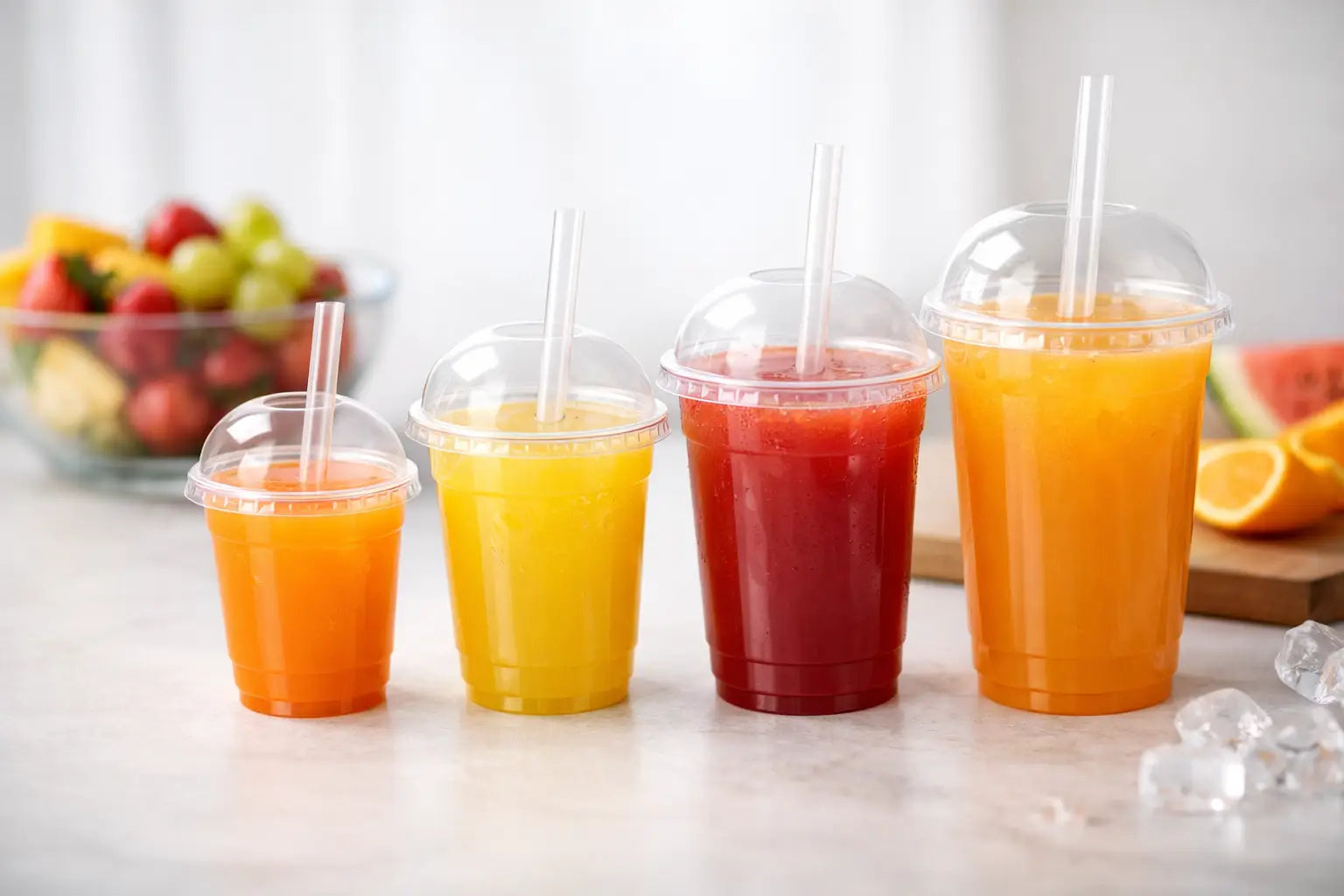
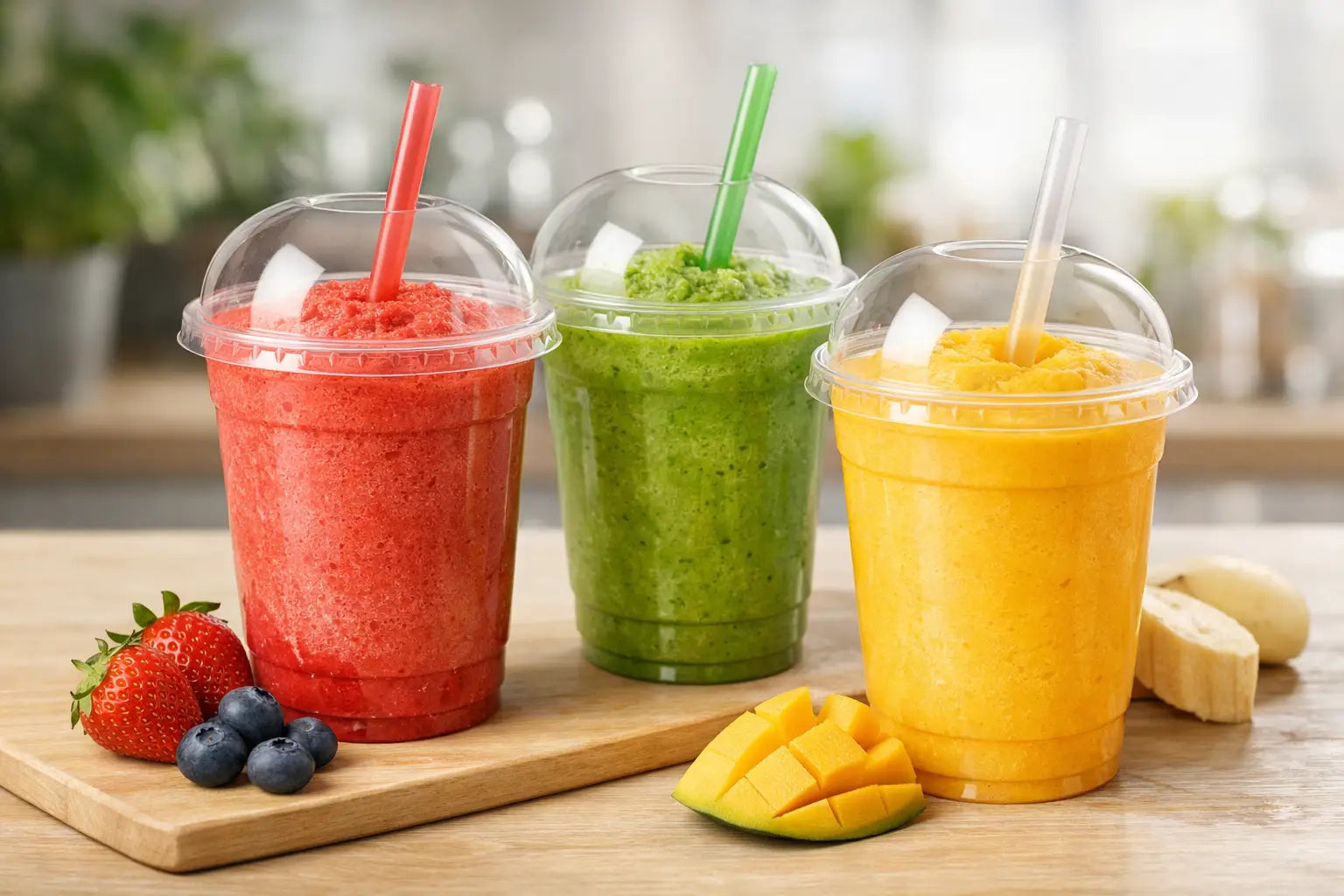
A practical way to buy is to group your menu into packaging families. For example, rice bowls, pasta, and mixed entrees may work well in microwave containers with fitted lids. Burgers, wraps, and sandwiches may need wraps, paper liners, or clamshell-style containers. Soups and side sauces need separate cups or sealed containers. Drinks call for cups and lids that fit securely and are easy for staff to assemble quickly.
This approach reduces guesswork. It also helps prevent overbuying niche items that sit on shelves while your most-used containers run out.
Choosing the right packaging materials
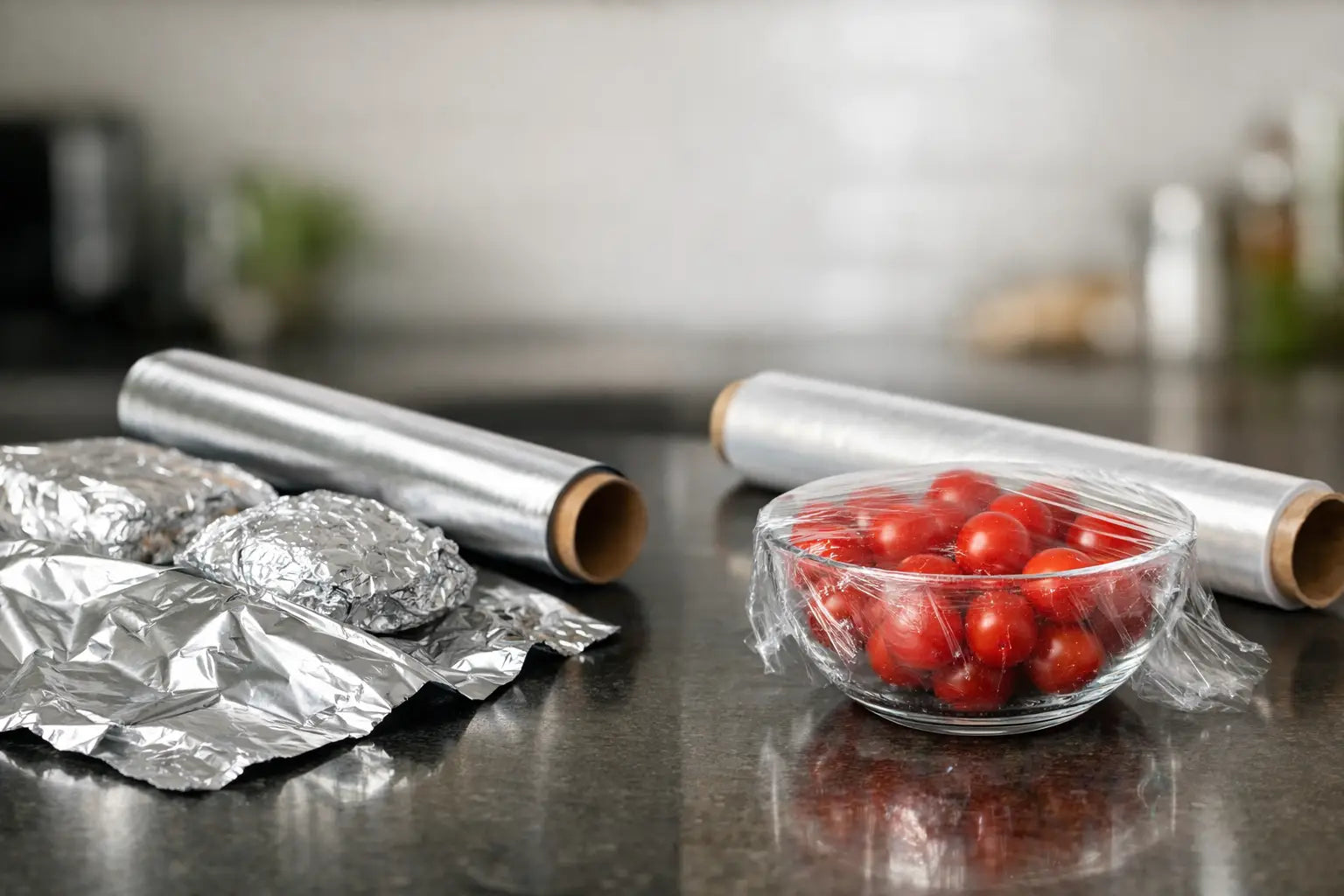
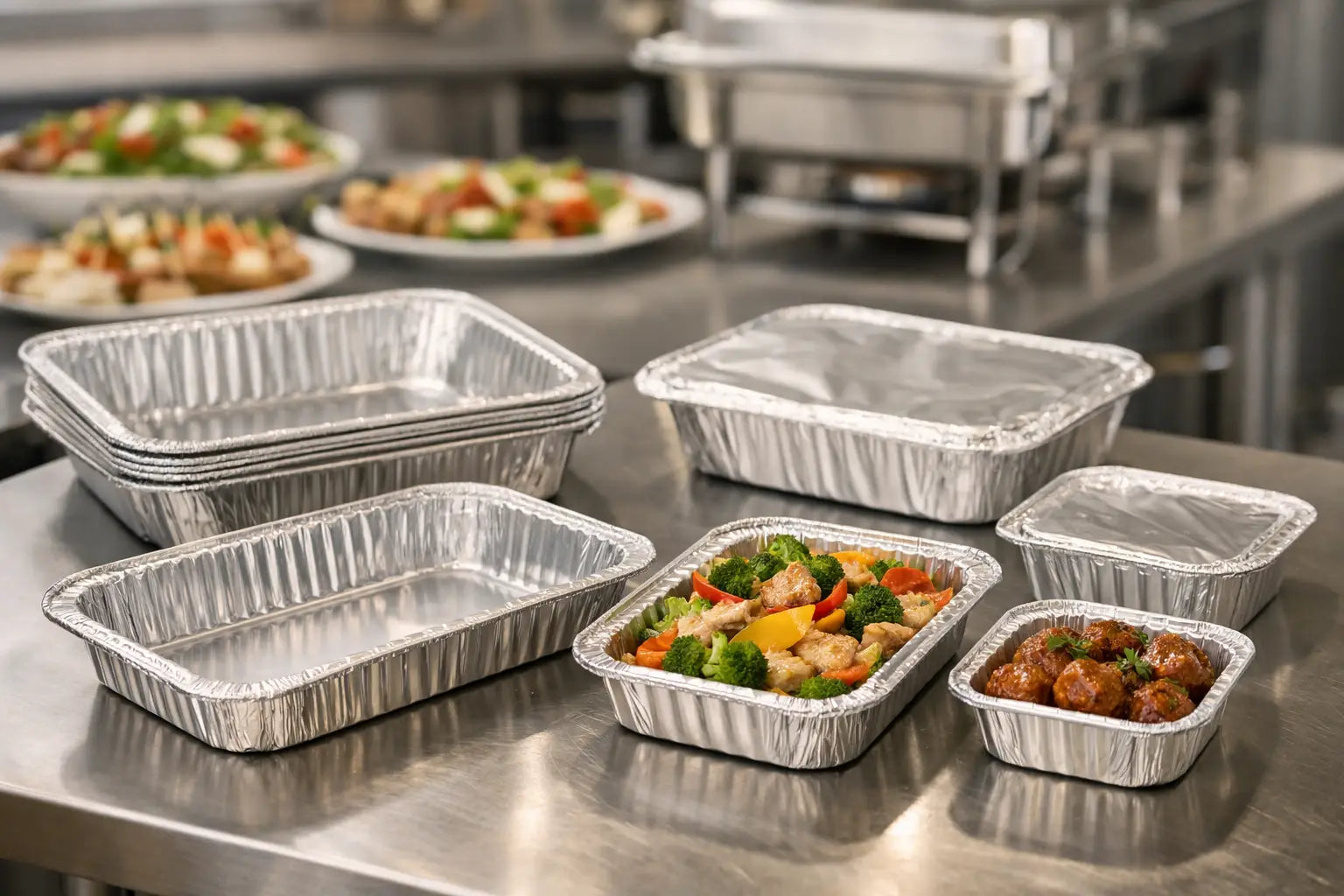
Material matters because it affects performance, appearance, storage, and cost. Aluminum containers are a practical choice for hot foods, baked dishes, catering trays, and meals that may go from kitchen prep to reheating. They hold shape well and work especially well for foods with weight or heat retention needs.
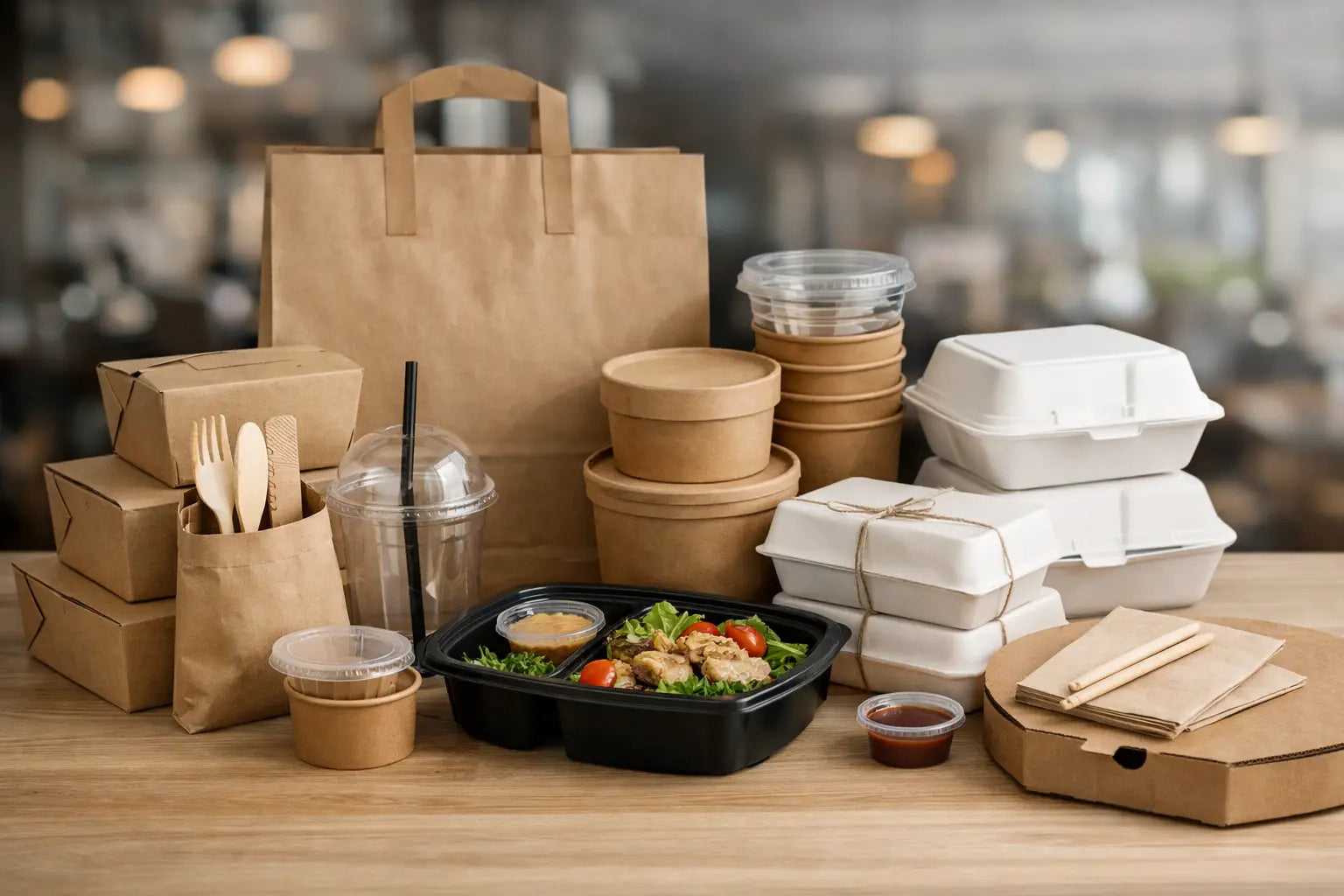
Paper-based options can be a smart fit for lighter foods, bakery items, snacks, cups, and certain takeaway applications. They are often easy to store and present well, but performance depends on coating, thickness, and whether the food is dry or greasy. Not every paper item handles moisture equally.
Plastic containers remain a common choice for cold foods, salads, sauces, deli items, and many microwaveable takeout meals. The main advantage is visibility, lid security, and versatility across a wide range of portion sizes. The trade-off is that not every plastic item is suitable for high heat or heavier meals, so product matching matters.
Craft containers and trays are often chosen for presentation as much as function. They can be useful for cafes, bakeries, and fast-casual concepts that want a clean, simple look while still keeping service efficient. The right option depends on whether food is served immediately, carried out, or delivered.
Size and portion control affect costs more than most buyers expect
One of the most common buying mistakes is choosing sizes based on what seems convenient rather than what matches actual portions. Oversized containers make portions look small and increase packaging costs. Undersized containers create messy lids, crushed presentation, and inconsistent serving.
If you offer small, regular, and family-size portions, your packaging should reflect that range. Standardizing around a few useful sizes often works better than stocking too many variations. That gives your staff faster packing decisions and gives your purchasing team cleaner reorder patterns.
There is also a labor angle here. If employees have to double-container meals because the original pack was too small or too weak, your per-order cost rises fast. A slightly better-fit container can reduce both waste and packing time.
Lids, closures, and leak resistance matter as much as the base
Many packaging issues are not caused by the container itself. They come from bad lid fit, weak sealing, or mismatched components. A solid base paired with an unreliable lid is still a poor packaging choice.
For soups, saucy entrees, and delivery items, lid security should be tested under movement, not just on a shelf. Stack the container, tilt it, and simulate travel. For beverages, make sure lids snap on consistently and allow easy drinking or straw access depending on the use. For catering pans and trays, consider how they will be wrapped, carried, and held during service.
This is one of the clearest places where buying on unit price alone can backfire. Saving a small amount per piece is not worth it if the result is spills, remakes, and customer complaints.
Think about delivery, pickup, and in-store service separately
A useful restaurant packaging buying guide should account for how food leaves your business. Pickup orders usually face less travel stress than third-party delivery. In-store service may need speed and presentation more than long-hold durability. Catering requires another level of support because larger portions, transport distance, and staging all matter.
For delivery-heavy businesses, choose containers that stack securely inside takeaway bags and hold up over time. For pickup counters, quick packing and clear labeling space may matter more. For cafes and beverage operations, cup stability, lid fit, and carrier compatibility can be just as important as the cup itself.
This is also where bags should not be treated as an afterthought. A weak bag can ruin an otherwise well-packed order. Handle strength, base width, and the ability to hold containers upright all matter, especially for larger orders and drinks.
Buy for speed in the kitchen and storage in the back room
The best packaging for your menu still has to work for your staff. If lids are hard to separate, containers take too much space, or several similar items create confusion during rush periods, operations slow down. Practical buyers look at shelf footprint, ease of access, and whether staff can pack orders fast without errors.
Storage is a real cost, especially in smaller kitchens. Bulky packaging can limit how much backup stock you can keep on hand. It may be worth choosing stackable, multi-use items that reduce the number of separate SKUs you carry. That said, too much standardization can create quality trade-offs. It depends on how varied your menu is and how often you change promotions or specials.
How to balance price, quality, and buying volume
Cost matters, but the lowest upfront price is not always the lowest operating cost. Better packaging can reduce food loss, customer complaints, and the need for replacements. At the same time, paying for premium features you do not need can eat into margins.
The smartest buying approach is to identify high-volume essentials first. Containers, cups, bags, foil, trays, and lids used every day should be purchased with consistency in mind. Specialty items can be added for limited menu applications, but your core supply list should be dependable and easy to reorder.
Buying in volume usually improves pricing, but only if your turnover supports it. If inventory sits too long, ties up storage, or forces you to commit to items you may replace soon, bulk buying loses its advantage. For many operators, the right move is to stock deeper on core essentials and lighter on niche items.
Suppliers also matter. Ordering from a source with broad assortment can save time and reduce the friction of managing multiple vendors. For businesses that want to streamline purchasing, White Pack offers food-service essentials in one place, which can make routine restocking much easier.
Test before you fully commit
Even experienced buyers get surprised by packaging once it meets real food and real delivery conditions. Before placing a large order, test with actual menu items. Fill containers to normal portion levels. Hold hot foods for the usual travel window. Refrigerate cold items. Stack bags the way staff would during a rush.
You are looking for small failures before they become recurring costs. Does condensation build too quickly? Do lids loosen when food is hot? Are cups comfortable to carry? Does the packaging support the presentation you want customers to see when they open the order?
Those tests usually reveal whether a product is truly practical for your operation. The right packaging should protect the food, fit the workflow, and make repeat ordering simple. If you buy with that standard in mind, packaging stops being a recurring problem and becomes one more part of running a smoother service.