Cart
0
A leaking sauce cup can ruin delivery, waste product, and leave a bad impression in seconds. That is exactly why a clear دليل اختيار مستلزمات التغليف الغذائي matters for restaurants, caterers, offices, event hosts, and even households that want food packed cleanly, safely, and cost-effectively.
The right packaging does more than hold food. It protects temperature, supports presentation, keeps transport easier, and helps control operating costs. The wrong choice does the opposite. It creates mess, raises replacement costs, and makes even good food look poorly handled. Buying packaging should feel like a smart supply decision, not a guessing game.
دليل اختيار مستلزمات التغليف الغذائي حسب نوع الاستخدام
Start with the actual job the packaging needs to do. This is where many buyers lose money. They shop by price first, then realize the item does not suit hot foods, oily dishes, freezer storage, or delivery conditions.
If you serve hot meals, the container must handle heat without softening, warping, or letting condensation destroy texture too quickly. Microwave containers, aluminum containers, and selected paper-based options can work well here, but each suits a different food style. Aluminum performs well with oven-ready or heat-retaining use. Microwave containers are practical for reheating convenience. Paper options often work better for lighter, less oily items.
For cold foods, salads, desserts, cut fruit, and chilled sides, visibility and freshness matter more. Clear plastic cups, deli-style containers, and secure lids help customers see the product while keeping it protected. If presentation drives sales, the container should show the food clearly and still stack well for storage or delivery.
Dry items need a different approach. Bakery goods, sandwiches, pastries, snacks, and takeaway portions often need packaging that prevents crushing and keeps handling simple. A container that is too large lets products shift around. One that is too tight can damage appearance. Good packaging should fit the product closely without squeezing it.
Choose material based on performance, not habit
Many businesses reorder the same packaging for years simply because it is familiar. That can work, but only if the product still matches your menu and service model.
Plastic containers are often chosen for versatility. They are useful for cold items, sauces, prepped ingredients, and many grab-and-go foods. They are lightweight, easy to stack, and available in many shapes. The trade-off is that not every plastic option handles heat the same way, so checking intended use is essential.
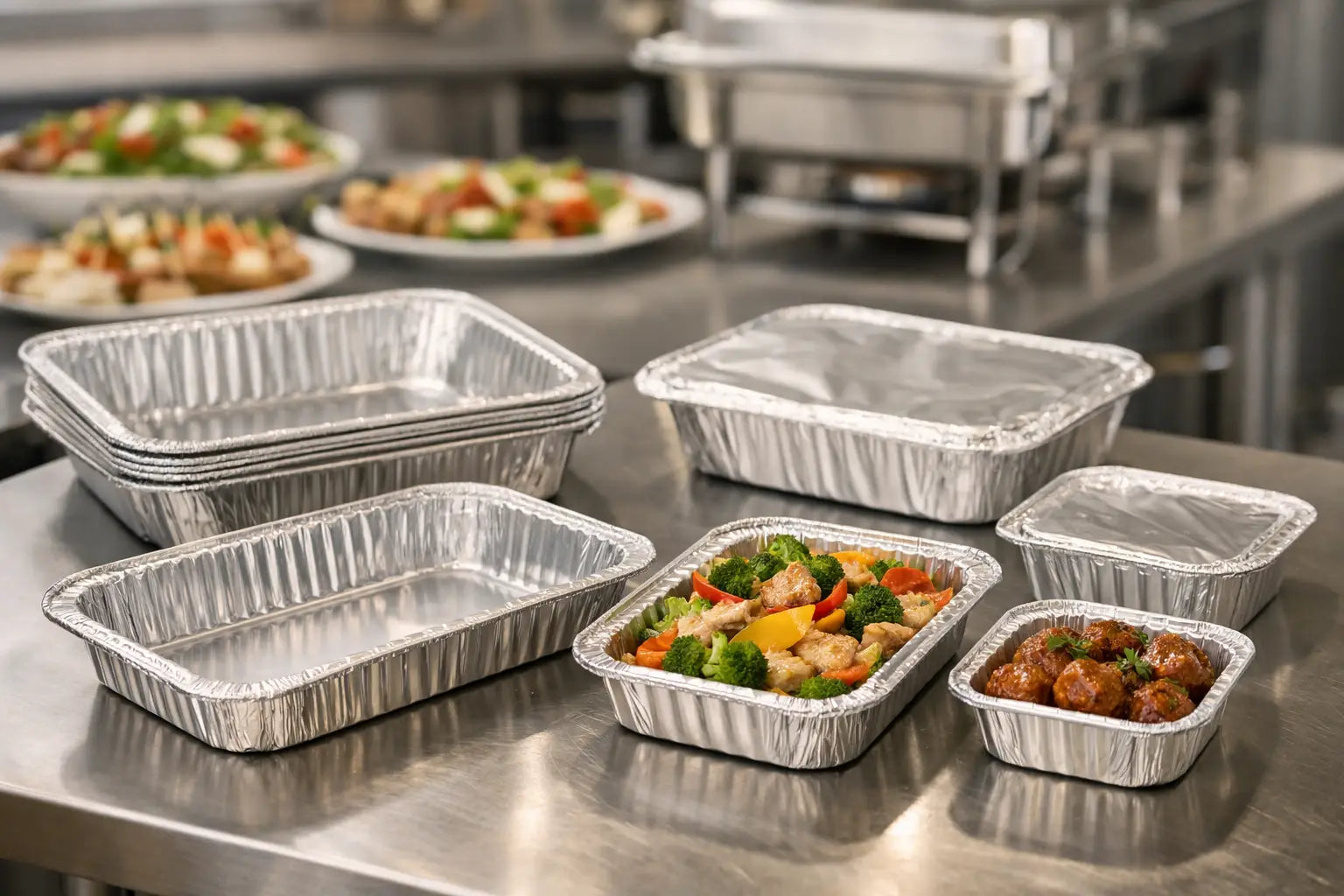
Aluminum containers are a strong choice for foods that need heat retention, oven use, or secure transport. They are especially practical for catering trays, baked dishes, and prepared meals. The trade-off is that they do not provide product visibility like clear containers do, which matters for display-driven items.
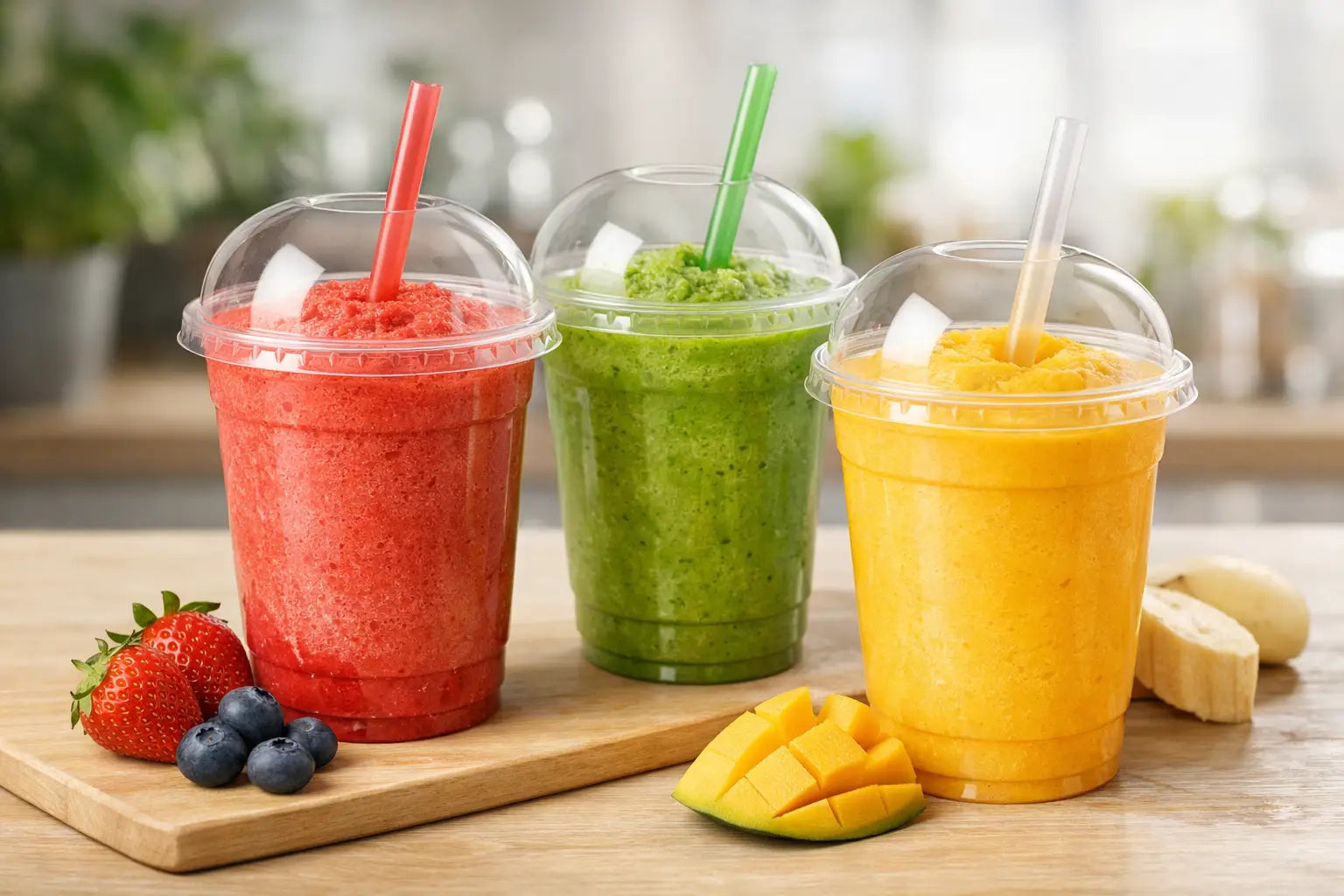
Paper cups, craft containers, and paper-based takeaway solutions are often selected for convenience and broad everyday use. They work well for beverages, sides, light meals, and casual service formats. Here, the key consideration is lining, lid fit, and resistance to moisture or grease.
Bags also matter more than many buyers expect. A strong takeaway bag supports the entire order, not just the final step. Weak handles, poor base structure, or the wrong size can turn a properly packed meal into a customer complaint before it reaches the table.
Size is a cost decision
Oversized packaging quietly eats into margin. It increases material cost, takes more storage space, and can make portions look inconsistent. Undersized packaging creates spills, crushed presentation, and customer frustration.
The better approach is to match packaging to standard serving sizes. If your rice bowl is always 24 ounces, build around that. If your sauce portion is 2 ounces, do not use a 4-ounce cup just because it is available. Portion-fit packaging improves consistency, controls waste, and makes inventory planning simpler.
This matters at home too. If you are packing leftovers, meal prep, or party servings, using the right size keeps refrigerators more organized and reduces unnecessary use of disposables.
Lid fit can make or break the order
A container is only as reliable as its lid. Buyers often compare container prices closely and pay less attention to lid performance, but this is where real-world problems show up.
A secure lid helps prevent leaks, preserves freshness, and improves stackability during storage or transport. For sauces, soups, dressings, and oily foods, the lid must close tightly and stay closed when moved. For bakery and deli items, the lid should protect appearance without pressing on the food.
It also helps to think about the customer experience. If the lid is too difficult to remove, it becomes frustrating. If it pops off too easily, it creates risk during delivery. The best packaging balances security with ease of use.
دليل اختيار مستلزمات التغليف الغذائي للتوصيل والتخزين
Delivery adds pressure to every packaging decision. Food may sit for 20 to 40 minutes, move through several hands, and be placed in bags with multiple items. That means packaging has to handle motion, heat, steam, and weight at the same time.
For delivery orders, choose containers that stack securely and resist tipping. Separate wet and dry components when possible. Fried foods, for example, can lose texture quickly in tightly sealed containers that trap too much steam. In those cases, the best packaging is not always the one with the strongest seal. It depends on whether heat retention or texture matters more.
For storage, consistency matters most. Containers that nest efficiently save shelf space. Standardized sizes make reordering easier and reduce confusion for staff. If your operation uses too many similar but slightly different formats, packing becomes slower and purchasing becomes harder to control.
Think about your full packaging system
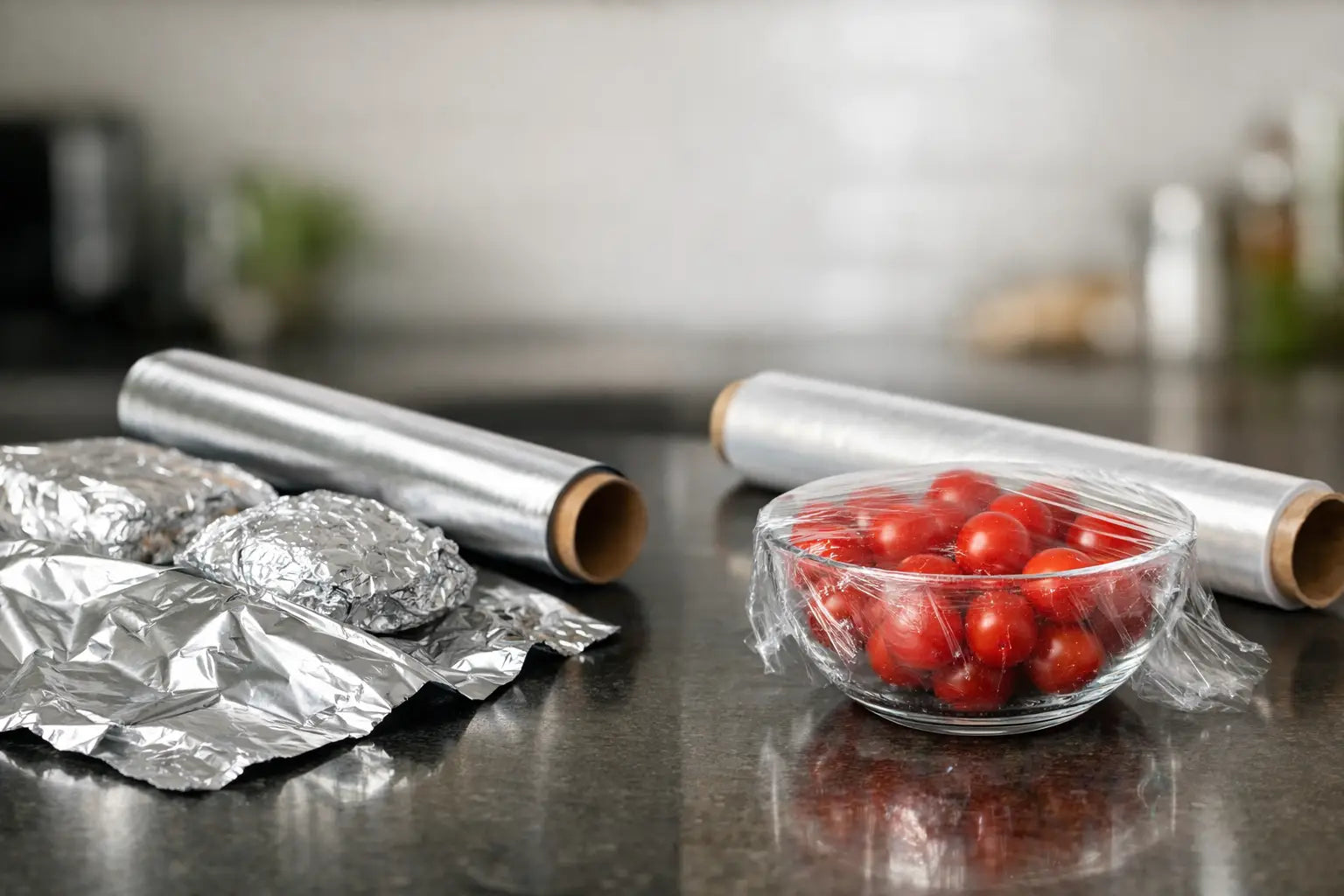
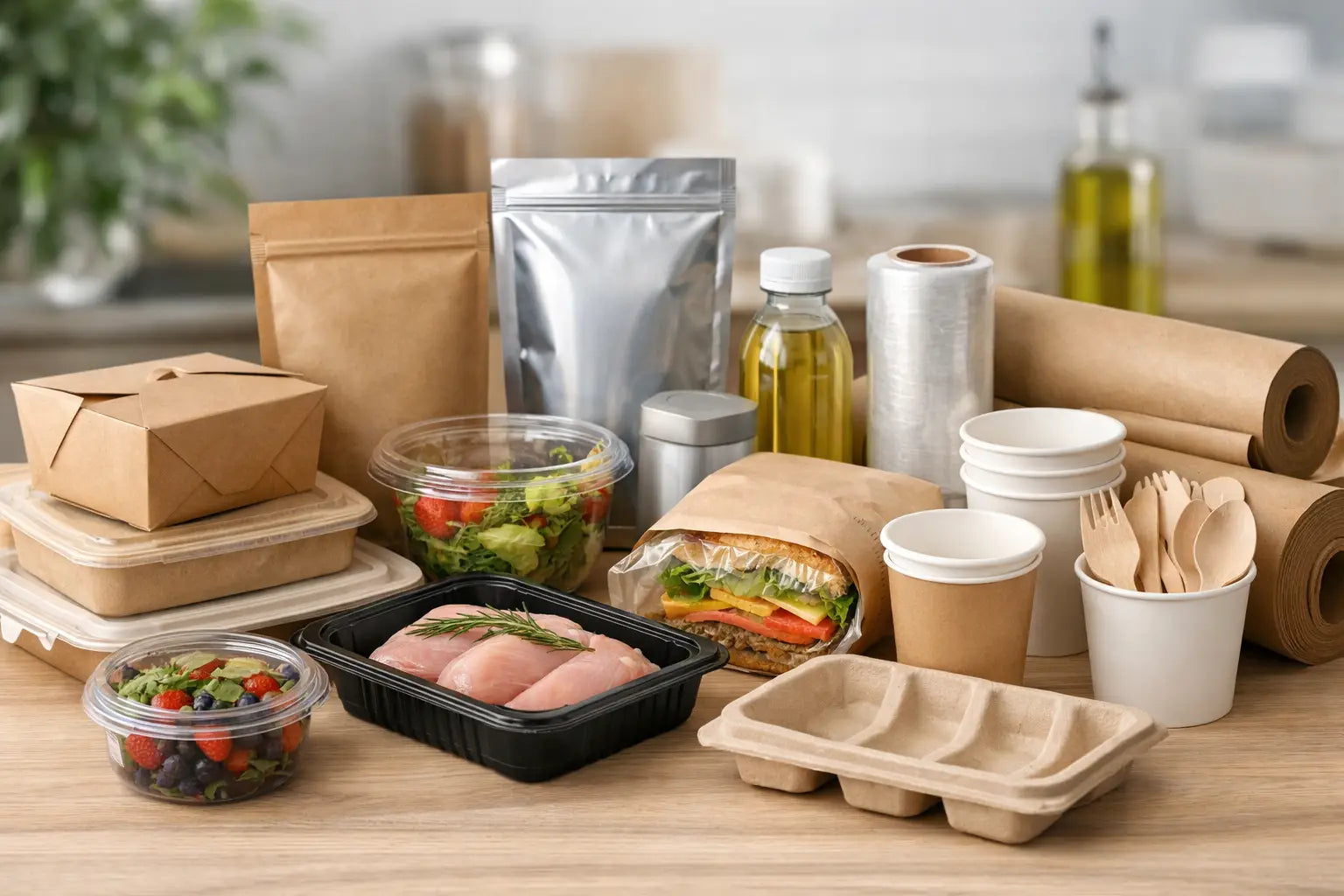
Food packaging should be purchased as a system, not as separate random items. A container, lid, cup, straw, bag, foil sheet, tray, and cutlery item all affect how the final order performs.
A good supply setup reduces friction. Staff can pack quickly, customers can carry orders securely, and stock is easier to manage. If one component fails, the whole order feels lower quality. That is why dependable buyers look beyond single-item price and consider total packing efficiency.
For example, a low-cost container that requires double-bagging is not really cheaper. A cup lid that leaks around the rim can create replacement costs and cleanup issues. A tray that bends under weight may force staff to use two instead of one. The practical choice is the one that works correctly the first time.
Buy for volume, but do not overbuy blindly
Bulk purchasing usually improves value, especially for high-use items like cups, containers, foil, straws, and takeaway bags. But buying more only makes sense when usage is predictable and storage conditions are suitable.
If you run a restaurant, office pantry, catering service, or event operation, review weekly usage patterns before placing large orders. Consider seasonality too. Beverage cups may spike during event periods. Aluminum containers may move faster during catering months. Household demand may rise around holidays, gatherings, and meal prep periods.
The goal is simple: enough stock to avoid disruption, not so much that space and cash get tied up in slow-moving items.
What smart buyers check before reordering
Before you reorder any food packaging item, look at performance in daily use. Ask practical questions. Did it leak? Did it stack well? Did it keep food presentable? Did it suit the actual portion size? Did customers or staff struggle with it?
Also review where complaints show up. If sauces spill, the problem may be lid fit. If hot meals arrive soggy, the issue may be ventilation or heat retention. If packaging costs keep rising, the issue may be using too many sizes or overpacking each order.
This kind of review helps businesses tighten operations without changing the food itself. It also helps households buy smarter for parties, storage, and everyday convenience.
A reliable supplier makes this easier because you can source matching essentials in one place instead of piecing together orders across multiple vendors. For buyers who want practical options across containers, cups, trays, bags, foil, and other everyday essentials, White Pack supports that kind of efficient purchasing model at https://whitepacks.com/.
The best packaging choice is rarely the fanciest one. It is the one that fits the food, protects the order, supports your workflow, and makes repeat buying easier the next time you need to restock.