Cart
0
When hot food sits for 10 minutes on a prep counter, in a car, or on a buffet line, the real question is simple: هل ورق القصدير يحافظ على الحرارة the way people expect? The short answer is yes - but only for a while, and only under the right conditions. Aluminum foil can slow heat loss, especially when it is wrapped tightly around food or containers. But it is not a true insulated material, and on its own it will not keep food hot for long periods.
That difference matters whether you are packing dinner at home, managing takeout orders, catering an event, or holding trays before service. Foil is useful, practical, and cost-effective. It just works best when you understand what it can and cannot do.
هل ورق القصدير يحافظ على الحرارة أم يقلل فقدانها فقط؟
The more accurate way to say it is this: foil helps reduce heat loss. It does not create heat, and it does not function like a thermal bag, insulated box, or warming cabinet. What it does very well is reflect radiant heat and form a barrier that limits exposure to air.
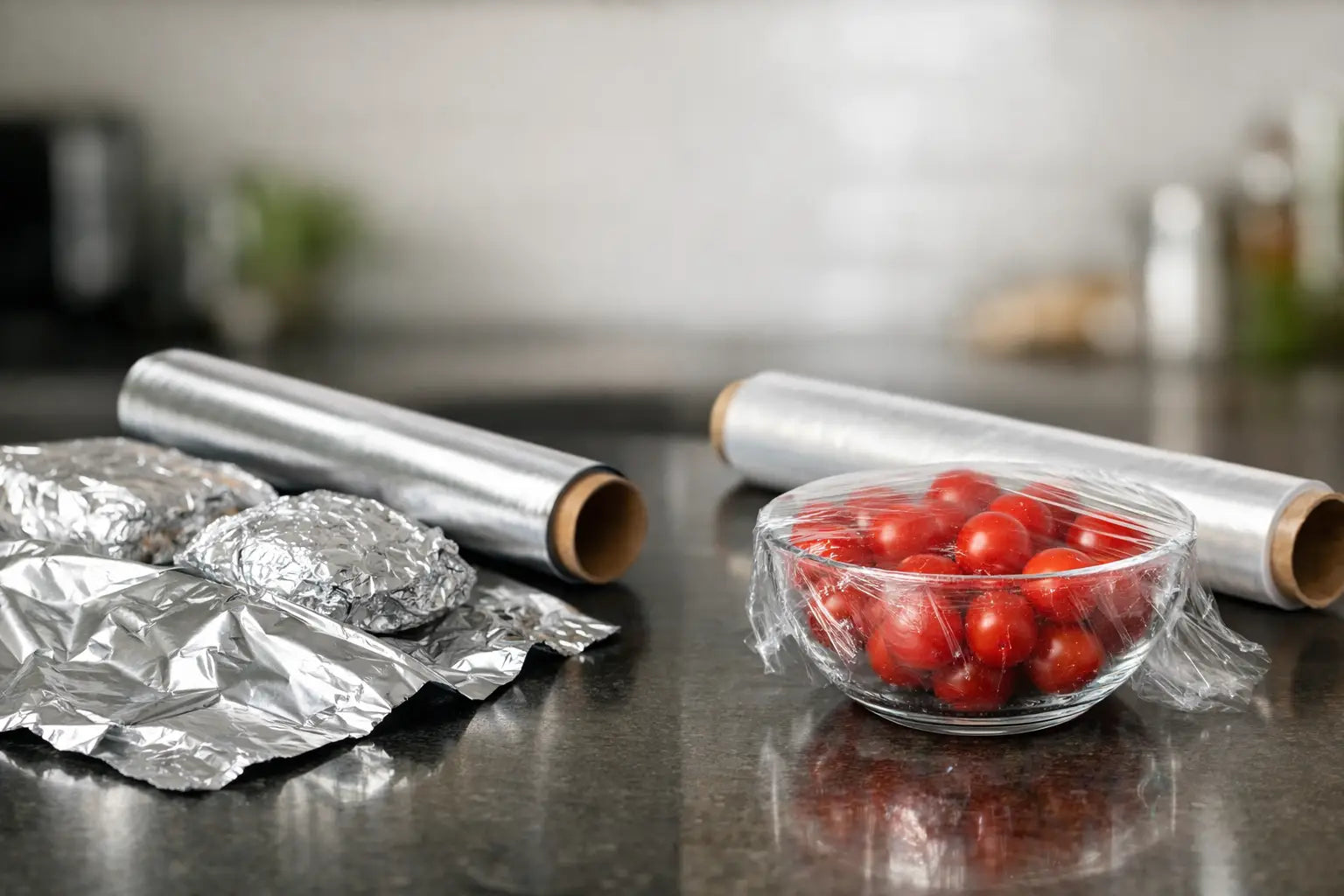
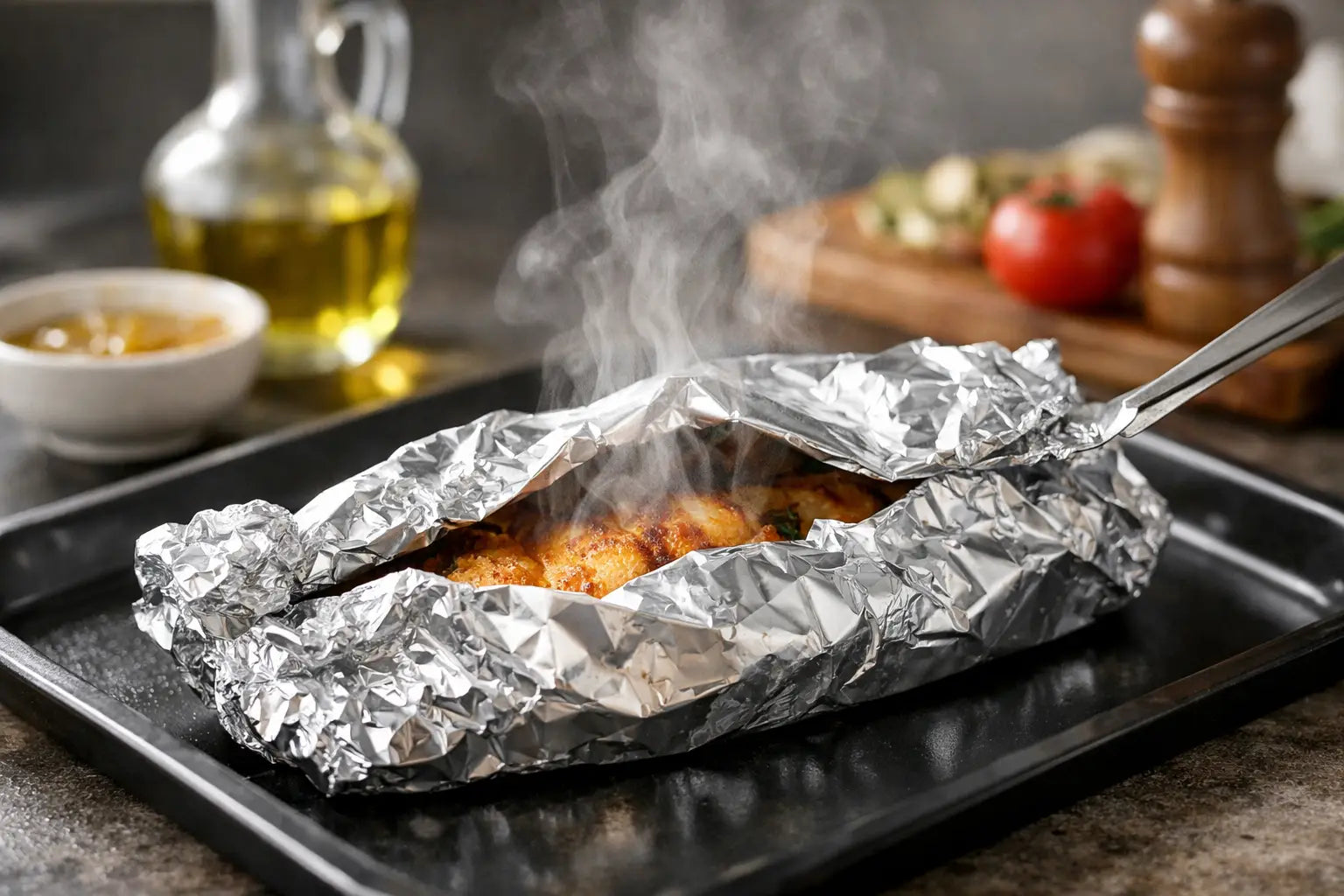
When you wrap hot food in foil, you are reducing one of the main reasons food cools down quickly - contact with cooler surrounding air. A tight wrap also helps trap steam, and that can make a noticeable difference for foods like rice, grilled items, baked potatoes, and roasted meats.
At the same time, foil is made of metal, and metal conducts heat. That means it can also transfer heat away from food under some conditions, especially if the foil is thin, loosely wrapped, or exposed to a cold surface. This is why people sometimes get mixed results. The foil is helping, but not enough to overcome the environment around it.
How aluminum foil actually works with hot food
Heat leaves food in a few ways: through the air, through direct contact, and through moisture escaping as steam. Foil helps most with the first and third. It creates a cover that reduces airflow around the food and holds in some of the steam. That is why a freshly wrapped sandwich or tray usually stays warmer than one left uncovered.
It also reflects some radiant heat back toward the food. That reflective quality is one reason foil is widely used in food service, catering, and home kitchens. It is quick to apply, inexpensive at scale, and easy to combine with pans, lids, containers, and carrying bags.
But there is a trade-off. Trapping steam can help preserve heat, yet too much trapped moisture can soften crispy food. Fried chicken, fries, toasted bread, and roasted skin-on items may stay warmer under foil, but they often lose texture faster. For some foods, heat retention and texture retention pull in opposite directions.
When foil works well
Foil performs best in short holding periods. If the goal is to keep food warm during the time between cooking and serving, it is often enough. This is especially true when the food starts very hot and has some mass to it. A full tray of baked pasta holds heat better than a thin layer of sliced vegetables. A large wrapped burrito stays warm longer than a small pastry.
Foil also works better when it is part of a system. Wrap the food, place it in a lidded container, then put that inside a bag or insulated carrier, and the performance improves significantly. In business settings, this layered approach is usually the difference between acceptable heat retention and disappointing delivery quality.
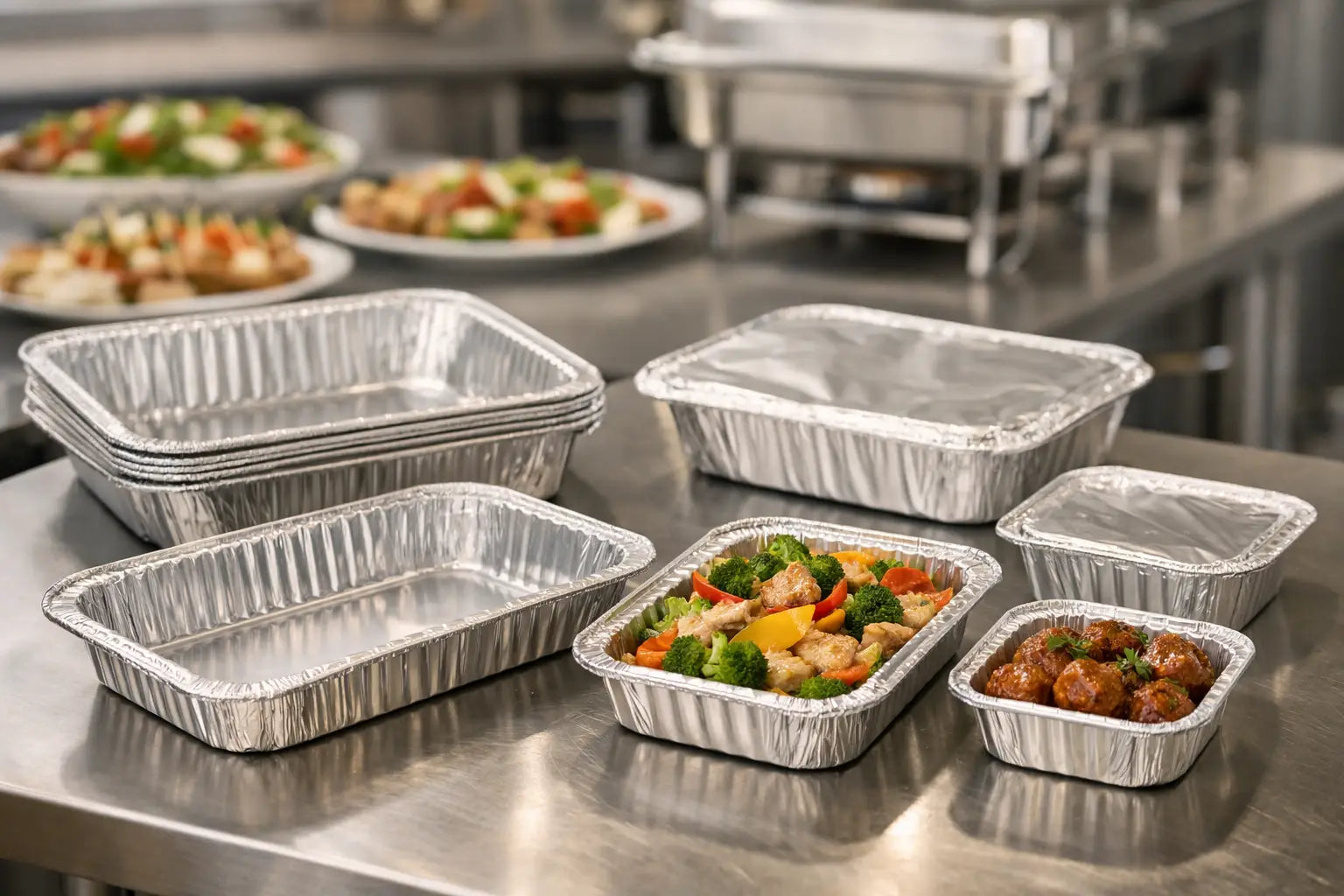
Large catering trays are another good example. Covering them tightly with foil slows cooling and protects food during staging or transport across short distances. For office lunches, family gatherings, and hotel or restaurant prep, foil is often the practical first layer rather than the only layer.
When foil is not enough
If you need to hold food hot for a longer period, foil alone will not do the job. It cannot replace insulated packaging, hot holding equipment, or properly sealed heat-retentive containers. Once the surrounding environment is cold enough - air-conditioned rooms, winter transport, refrigerated prep areas, or long delivery routes - heat loss will continue.
This is where expectations matter. A foil-covered tray may still feel warm after 20 or 30 minutes, but that does not mean the food is being held at an ideal serving temperature. For businesses, especially those serving prepared meals, relying only on foil can create consistency problems. One order might arrive in good condition, another may not, even with the same packing method.
Foil is also less effective if it is wrapped loosely. Gaps allow hot air and steam to escape. Repeated opening and rewrapping makes things worse. Every time heat escapes, the foil can only slow the next round of cooling - it cannot restore what was lost.
Best uses for foil in homes and food service
For households, foil is a reliable solution for short-term heat retention. It is useful for covering casseroles, wrapping sandwiches, resting cooked meats, or protecting side dishes before dinner is served. It is also practical when carrying food to a nearby event or keeping part of a meal warm while the rest finishes cooking.
For restaurants, caterers, and event teams, foil is best treated as a supporting packaging material. It helps line trays, cover pans, wrap hot items, and create a cleaner, more contained transport setup. It is especially useful in high-volume operations because it is fast and familiar to staff. But for repeatable delivery quality, pairing foil with suitable containers and transport packaging is the smarter choice.
That is why buyers often look beyond foil alone and think in terms of the full serving chain - prep, hold, pack, move, and serve. A dependable supply setup usually includes foil, containers, lids, trays, and carry solutions that work together.
هل ورق القصدير يحافظ على الحرارة better on shiny side in or out?
This is one of the most common questions, and in normal food use, the difference is minimal. The shiny side and the dull side come from the manufacturing process, not from two different performance grades. For keeping food warm in everyday kitchen or service use, either side can face in or out without a meaningful change.
What matters far more is how tightly the foil is wrapped, how hot the food is when packed, and what goes around the foil afterward. A snug wrap inside a container beats a loose wrap every time.
Practical tips for better heat retention with foil
If you want better results, start by packing food while it is still hot, not after it has been sitting out. Wrap tightly enough to limit airflow, but avoid crushing foods that need to keep their shape. If possible, use multiple layers for larger trays or bulky items.
You will also get better performance by warming the serving container slightly before filling it, especially with stainless pans or heavy-duty trays that might otherwise absorb heat from the food. Then add foil as a cover, and place the item in a bag, box, or insulated carrier as soon as possible.
For foods that need to stay crisp, leave a little venting or use packaging that balances warmth with airflow. This is where there is no one-size-fits-all answer. Steamy foods benefit from a tighter seal. Crispy foods often need a compromise.
The practical answer most buyers need
So, does aluminum foil keep heat? Yes, to a useful degree. It helps hot food stay warmer than if it were left uncovered, and it is a practical choice for short-term holding, transport, and service prep. But it is not a standalone insulation solution.
For home use, that may be perfectly fine. For business use, especially when consistency matters, foil works best as one part of a broader packaging setup. The strongest results come from combining dependable foil with the right trays, containers, and transport materials - the kind of everyday supply decisions that save time and protect food quality.
If your goal is simple, reliable performance, treat foil as a useful tool, not a miracle layer. Used the right way, it does its job well - and that is exactly what practical packaging should do.