Cart
0
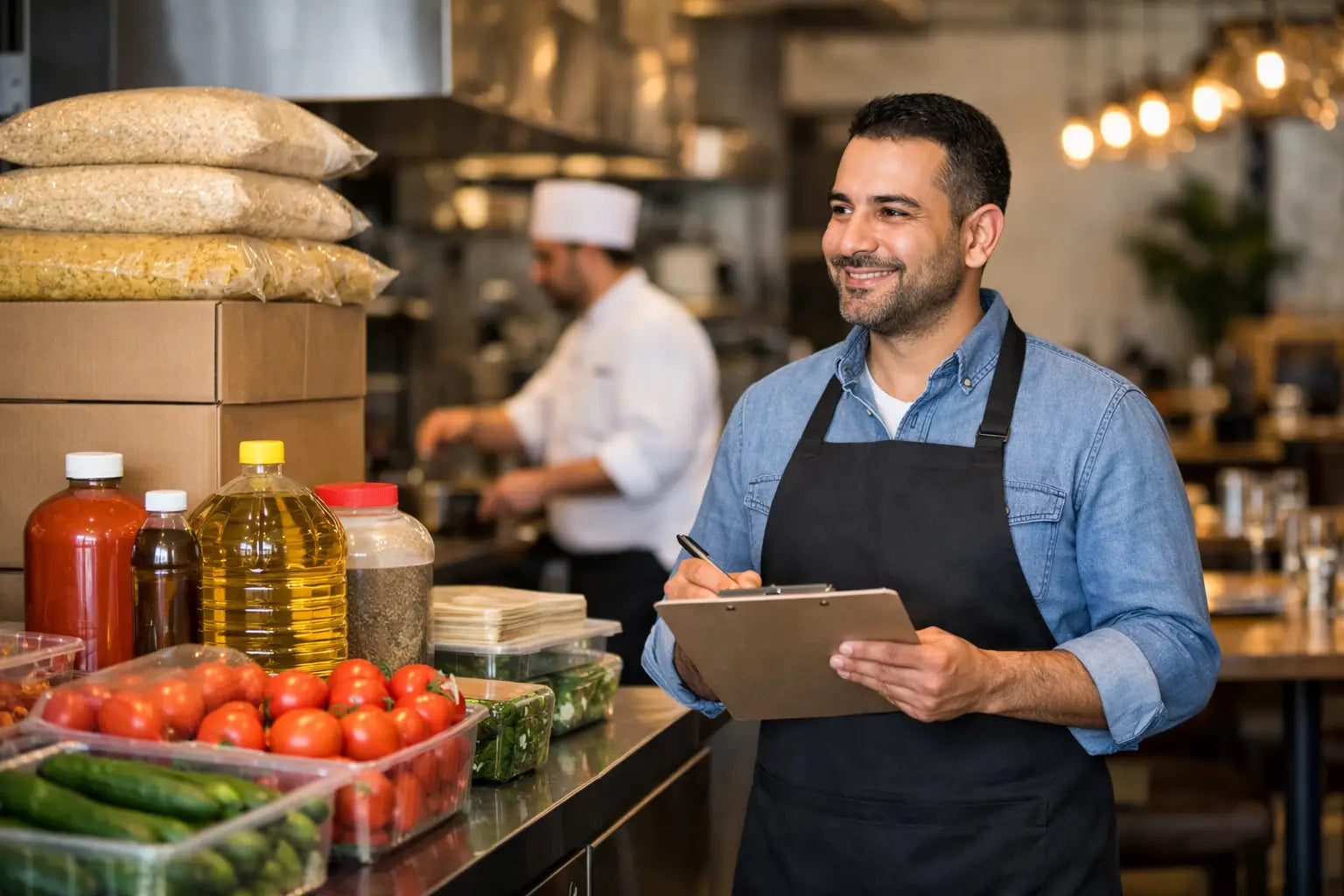
A busy lunch rush exposes every weakness in a restaurant's supply setup. Lids run out before the soup does, paper cups arrive in the wrong size, and the takeout station turns into a bottleneck. That is why a strong تجربة مطعم مع شراء مستلزمات بالجملة is not just about buying more units at a lower price. It is about keeping service moving, protecting margins, and making daily operations easier for the team.
For restaurant owners, kitchen managers, and purchasing staff, bulk buying can look like an obvious win. Lower unit cost matters. Fewer purchase cycles matter too. But the real value shows up in the details - product consistency, reorder timing, storage fit, delivery reliability, and whether every item actually performs under pressure. A restaurant that buys in bulk without a system can create waste just as fast as it creates savings.
What a restaurant really learns from bulk purchasing
The first lesson is simple. Cheap is not always efficient. A restaurant may save a few cents per container, then lose far more when lids fail to seal, cups soften too quickly, or bags tear during delivery. In a dine-in and takeout environment, disposable products are part of the guest experience. They affect speed, presentation, hygiene, and customer satisfaction.
The second lesson is that purchasing affects more than the back office. When a restaurant standardizes the right trays, containers, cups, foil, and cleaning materials, prep becomes faster and service becomes more predictable. Staff spend less time adapting to random product substitutions. Training gets easier because every station uses the same dependable items.
The third lesson is that inventory discipline matters as much as price. Buying in bulk only works when usage patterns are understood. If a restaurant orders months of stock without checking sales trends, menu changes, or seasonal demand, shelves fill up with the wrong items. That ties up cash and creates clutter that slows down operations.
تجربة مطعم مع شراء مستلزمات بالجملة in day-to-day operations
In practice, restaurants usually start bulk buying because they are tired of emergency ordering. Running out of aluminum containers, paper cups, microwave-safe boxes, straws, or takeaway bags costs more than the replacement order itself. It creates rushed decisions, higher last-minute pricing, and inconsistency that customers notice.
A better purchasing routine starts by separating must-have operational items from occasional-use items. High-turn products such as food containers, cups, lids, foil, cutlery alternatives, and cleaning supplies often make the most sense for bulk ordering. They move quickly, they are used across shifts, and they are easier to forecast. Slower-moving specialty items may be better purchased in smaller quantities, even if the per-unit price is slightly higher.
This is where many restaurants improve quickly. Instead of treating all supplies the same, they classify by usage speed, storage needs, and service importance. Once that happens, ordering becomes less reactive. The team knows what should always be in reserve, what can be reordered on a shorter cycle, and what should not be overbought.
Cost savings are real, but only if the numbers are honest
Restaurants often focus on the visible discount and miss the full cost picture. Bulk purchasing lowers unit cost, but total value depends on four things: product performance, waste rate, storage efficiency, and reorder frequency.
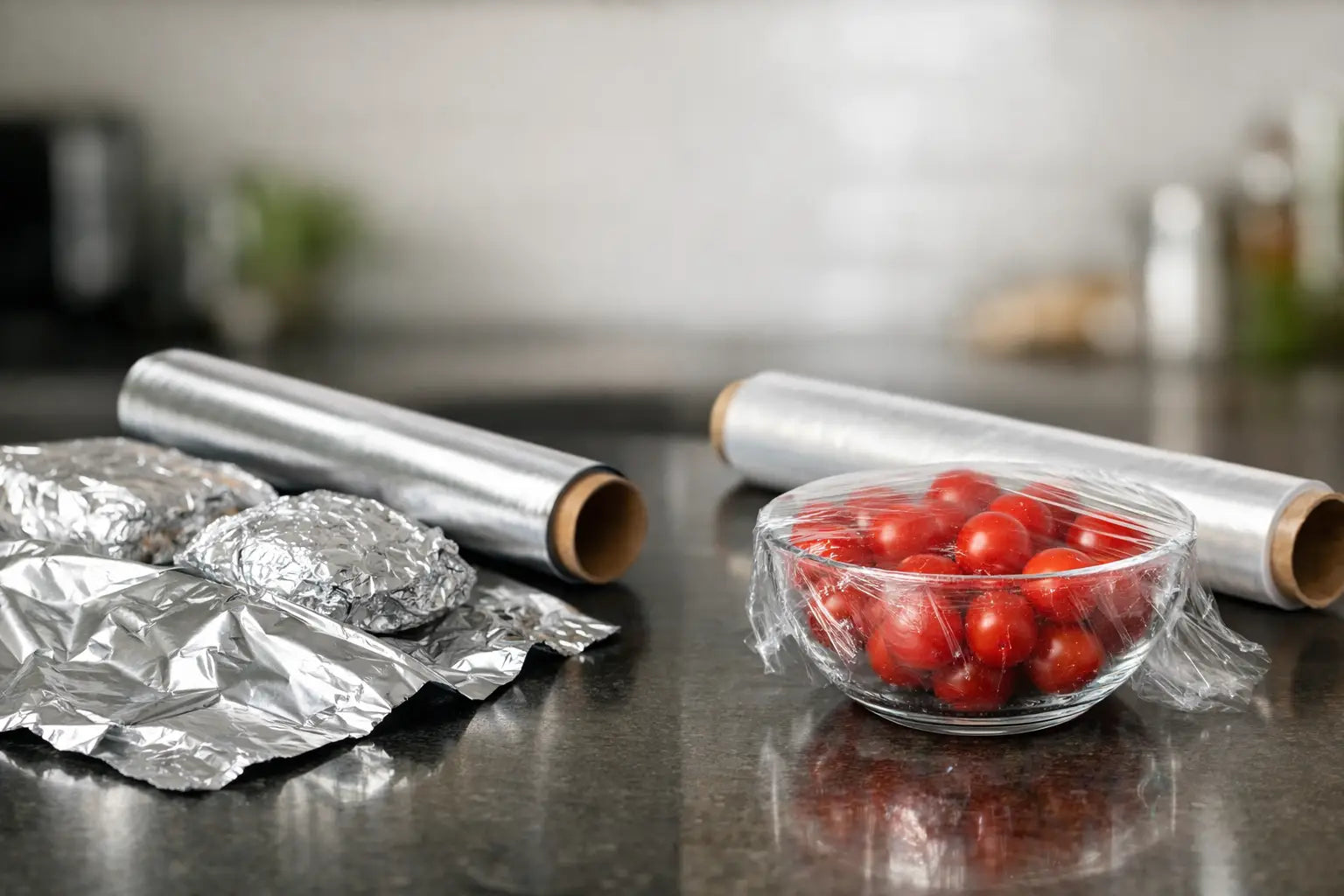
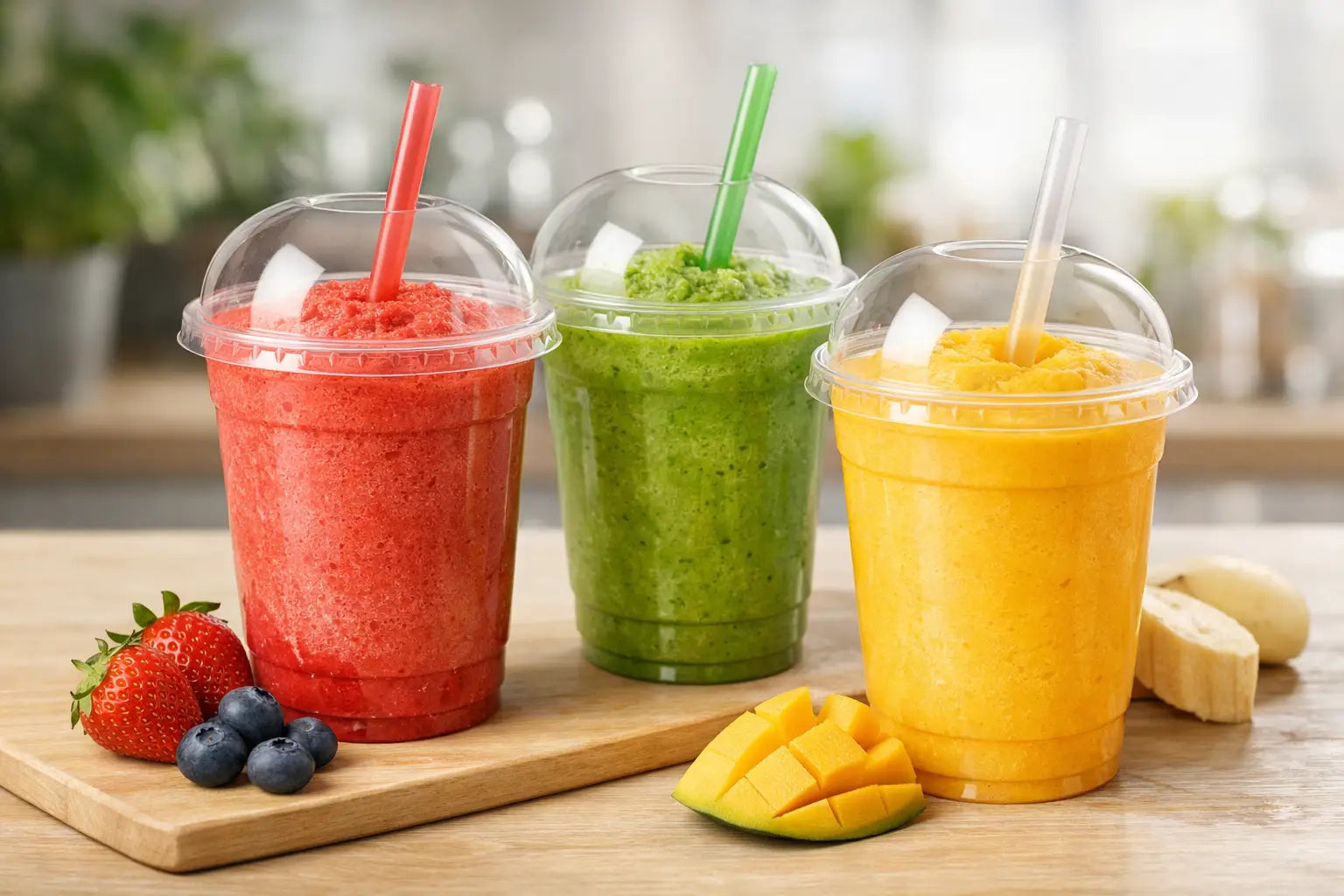
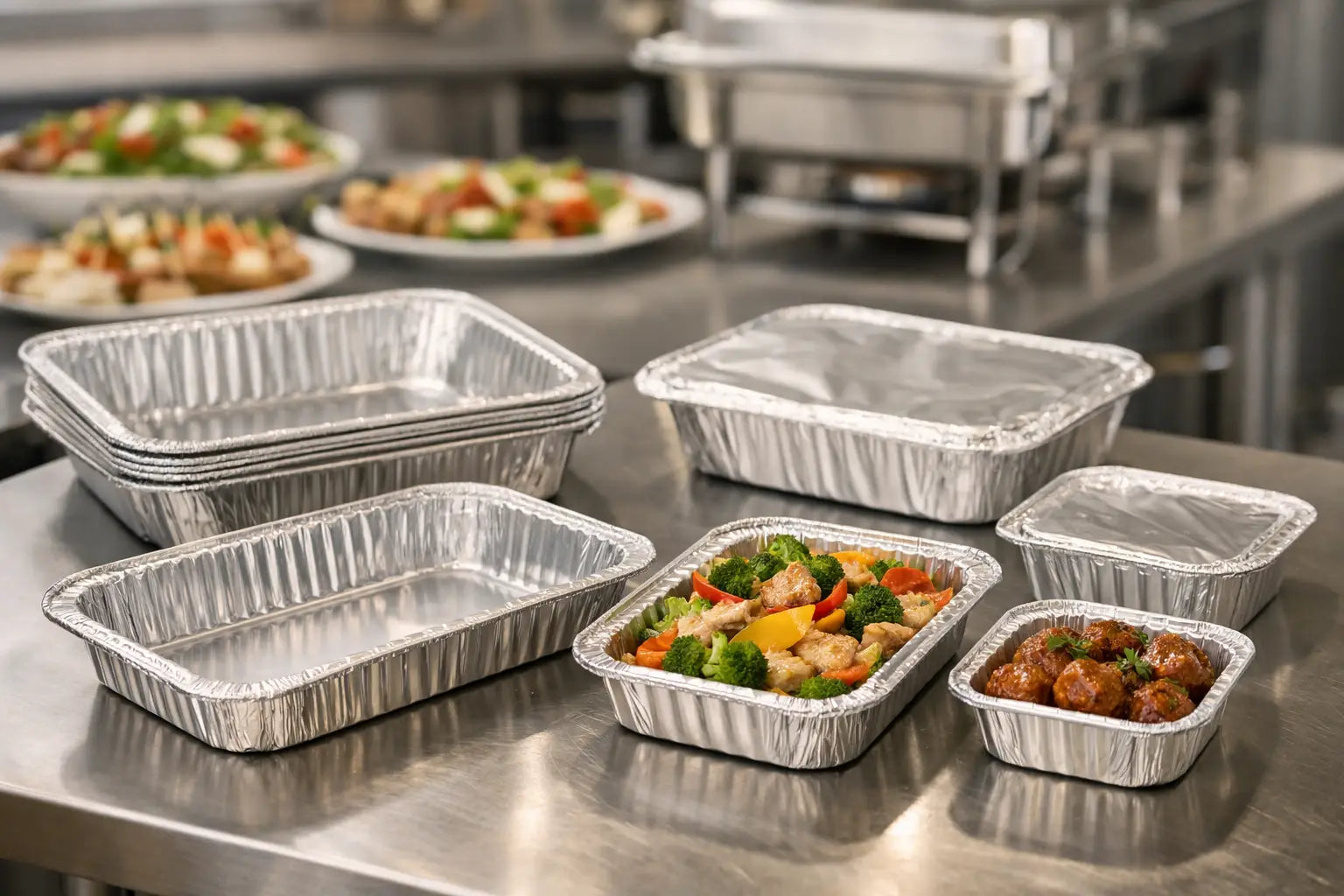
Take aluminum containers as an example. A cheaper option may look attractive at checkout, but if it bends too easily or does not match lid fit consistently, packaging time increases and food presentation suffers. The same is true for paper cups, plastic cups, and takeaway bags. If the product does not hold up during actual service, the lower price is misleading.
There is also the issue of over-ordering. A large purchase can feel efficient, but if it crowds storage areas, complicates stock rotation, or expires in usefulness before it is used, the savings disappear. Restaurants with limited back-of-house space need a balance between price breaks and practical storage limits.
A smart buyer looks at cost per usable unit, not cost per unit ordered. That is a better way to measure whether a bulk purchase is helping the business.
Quality consistency matters more than many buyers expect
Customers do not usually compliment a food container or a straw. They do notice when a lid leaks in the car, when a hot cup feels flimsy, or when packaging makes the meal look careless. Those moments shape how the brand is perceived.
For restaurants, consistency in basic service supplies reduces friction across the whole operation. The prep team knows how much a tray holds. Front counter staff know which lid fits which cup. Delivery packing becomes faster because dimensions are familiar. This kind of consistency is operational value, not just convenience.
That is why experienced restaurant buyers often prefer working with a supplier that offers breadth of essential categories in one place. Ordering containers, cups, foil, bags, and cleaning items through a single dependable source can reduce ordering errors and save administrative time. For many operators, that simplicity has financial value even before product discounts are considered.
Where bulk buying goes wrong
Most problems do not come from the idea of bulk purchasing itself. They come from poor planning.
One common mistake is buying based on best-case sales volume. A restaurant expects every week to perform like its busiest one, then ends up holding too much stock. Another mistake is failing to account for menu shifts. If a business changes portion sizes, launches new combo packaging, or adjusts beverage offerings, older stock may no longer fit the operation properly.
Storage conditions are another issue. Not every restaurant has room to hold large volumes of cups, containers, cleaning products, and takeaway materials without affecting workflow. Supplies should support efficiency, not block it. If inventory spills into prep space or creates disorganization, the purchasing strategy needs adjustment.
Then there is product mismatch. Two items may look similar in an online catalog, but small differences in dimensions, thickness, closure, or heat tolerance can matter during service. Testing before fully scaling an order is often the safer approach.
How restaurants build a better bulk purchasing system
The most effective restaurants treat supply buying as part of operations, not just procurement. They track usage by category, compare sales volume against packaging consumption, and review waste regularly. That sounds technical, but it often starts with straightforward observation.
How many hot cups are used on weekdays versus weekends? Which container sizes move fastest for delivery orders? How often does the team open a new case of foil? Which items are repeatedly reordered sooner than expected? These patterns help buyers set practical reorder points.
It also helps to create a small core list of standardized essentials. When restaurants reduce unnecessary variation in containers, lids, trays, and cups, purchasing becomes easier and inventory becomes cleaner. Fewer SKUs usually means fewer mistakes.
Reliable suppliers also make a difference. Restaurants need product quality that stays consistent from order to order, along with straightforward access to everyday essentials. For buyers who want less friction, an online source with clear product categories, volume-friendly ordering, and dependable delivery can remove a lot of procurement stress. That is one reason businesses often choose a supply partner like White Pack when they want to consolidate routine purchasing.
تجربة مطعم مع شراء مستلزمات بالجملة for small restaurants vs larger operations
The right approach depends on scale. A small restaurant may benefit most from moderate bulk orders on fast-moving essentials while keeping specialty items lean. Cash flow and storage space are usually tighter, so flexibility matters. The goal is to avoid stockouts without locking too much money into inventory.
A larger restaurant, multi-unit operator, or catering business can usually go further with standardization and larger-volume buying. Their demand is more predictable, and their storage setup may support deeper stock levels. In that case, bulk purchasing can create stronger unit economics and simpler replenishment routines.
Neither model is automatically better. It depends on sales consistency, menu structure, available space, and how disciplined the operation is with inventory control.
What to evaluate before placing the next large order
Before committing to a bigger supply purchase, a restaurant should ask practical questions. Does the product fit actual service conditions? Is usage frequent enough to justify the volume? Can the space handle the stock without creating disorder? Does the supplier offer enough category coverage to simplify purchasing? Are the apparent savings still strong after factoring in waste and storage?
Those questions help separate a strategic bulk purchase from a rushed one. The goal is not to buy the most. The goal is to buy the right products, in the right quantities, on a repeatable system that supports service.
A restaurant runs better when its essentials are predictable. When containers fit, cups hold up, bags carry properly, and cleaning supplies are always on hand, the team can focus on food and customer experience instead of supply problems. That is what a good bulk purchasing experience should deliver - fewer interruptions, better control, and more confidence in every shift.