Cart
0
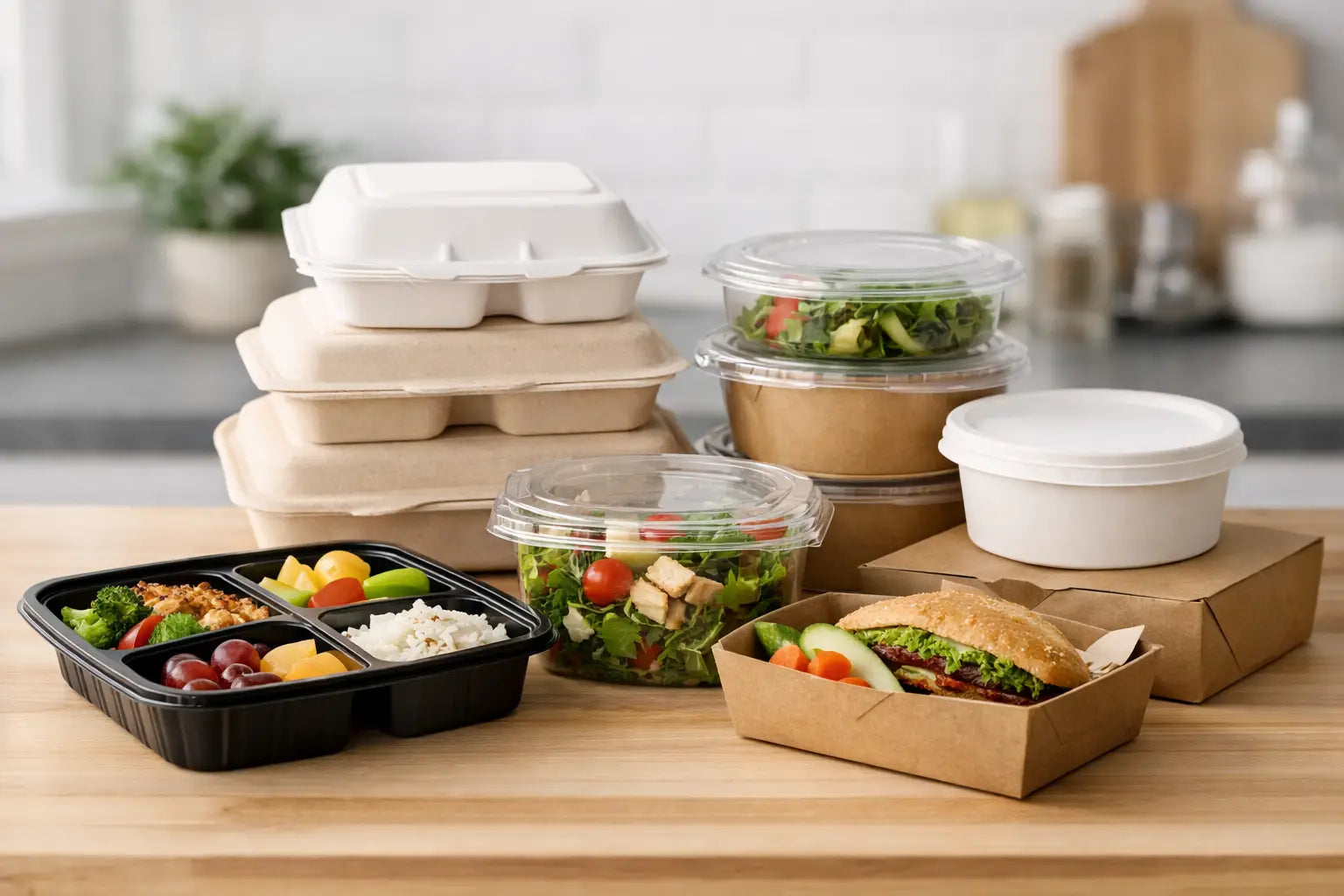
Packed lunches fail for predictable reasons. Lids pop in transit, sauces leak into bags, hot food turns flimsy containers soft, and stacked meals take up more room than they should. If you are buying for a restaurant, office, catering setup, school event, or your own household, choosing the best disposable lunch containers comes down to one thing - matching the container to the job.
That sounds simple, but this is where many buyers overspend or end up with stock that does not perform. A container that works well for cold pasta salad may be a poor choice for rice bowls, oily dishes, or microwave reheating. The right pick saves time, reduces mess, and helps food look presentable from packing to serving.
What makes the best disposable lunch containers?
The best option is not always the cheapest unit on the shelf. A low-cost container can become expensive if it leaks, cracks, or needs double packing. For most buyers, the better value comes from containers that protect food properly, stack efficiently, and suit the temperature and texture of the meal.
Material is the first decision. Plastic containers are common because they are lightweight, practical, and available in a wide range of shapes and capacities. They are often the easiest choice for delis, offices, home meal prep, and grab-and-go service. If microwave use matters, microwave-safe plastic containers are usually the most flexible option.
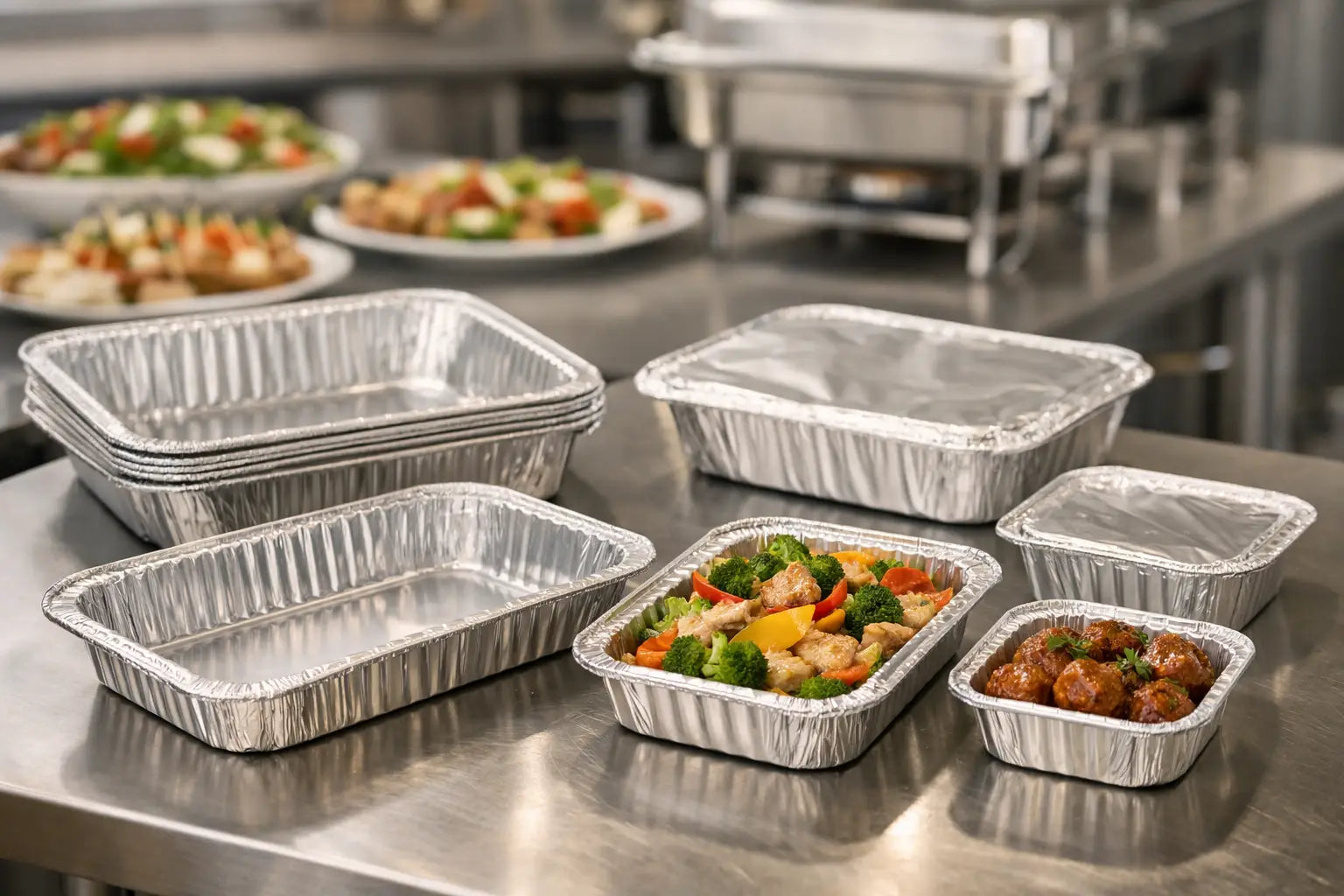
Aluminum containers work well when heat retention and oven use matter more than visibility. They are a strong fit for hot lunches, baked dishes, and catered meals that may need reheating. They are less convenient when customers want to see the food before opening, but they hold their shape well and handle heavier items better than many lightweight alternatives.
Paper-based or fiber-style containers can be a good fit for lighter meals and short hold times. They appeal to buyers who want a simple serving format, but performance depends heavily on the food type. Moisture, oil, and long transport times can expose weak spots quickly.
Best disposable lunch containers by use case
Different buyers need different strengths. A household packing weekday lunches has different priorities than a caterer sending out 200 meals in one afternoon.
For meal prep and home lunches
For home use, convenience usually matters most. You want containers that are easy to fill, easy to stack in the fridge, and reliable enough to carry in a work or school bag. Medium-size rectangular plastic containers are usually the strongest all-around choice because they fit sandwiches, rice dishes, pasta, cut fruit, and leftovers without wasting space.
Clear containers help at home because they make it easier to identify meals without opening every lid. If you are packing several lunches in advance, consistent sizing also helps keep shelves and refrigerator space organized.
For restaurants and takeout service
For food service, presentation and transport matter just as much as capacity. Customers expect their lunch to arrive intact, and a good container supports that. Hinged-lid containers can be useful for speed during busy service, while separate lid-and-base formats often provide a tighter seal for saucy or layered foods.
If the menu includes hot entrees, grain bowls, grilled items, or sauced dishes, sturdier microwave containers are often the safest route. They support reheating, hold shape better during delivery, and create a cleaner handoff to the customer.
For offices and corporate catering
Office lunches need to be neat, stackable, and simple to distribute. Uniform containers make a big difference here. They reduce setup time, create a cleaner presentation on delivery tables, and help staff hand out meals quickly.
Compartment containers are especially useful when the meal includes a main item with sides. They keep ingredients separate, preserve texture better, and make the lunch feel more organized. That matters when you are serving teams, meeting attendees, or training groups where consistency reflects on the organizer.
For events and large gatherings
At events, speed and volume change the equation. You need lunch containers that are easy to pack in batches, stable when stacked, and dependable over several hours of service. This is where simple, durable formats usually outperform anything overly specialized.
For boxed lunches, containers with secure lids and enough depth for a full portion are the safest bet. For buffet-style packing or catered hot meals, aluminum trays and containers can be a better fit, especially when timing, heat, and transport are factors.
Features worth paying for
Not every feature matters to every buyer, but a few are worth treating as non-negotiable.
Leak resistance is near the top of the list. If a lunch includes dressing, sauce, oil, or moisture-heavy ingredients, the lid closure needs to be dependable. Even a small leak can ruin customer satisfaction or create cleanup work that cancels out any savings.
Stackability matters more than people expect. Containers that nest well before use and stack securely after filling help save shelf space, prep space, and delivery space. For businesses buying in bulk, this affects daily operations, not just storage.
Microwave compatibility is another practical advantage. Many buyers assume lunch containers will be reheated, but not all disposables handle heat equally well. If reheating is likely, it makes sense to choose containers specifically designed for that use rather than treating it as a bonus.
A secure lid fit is also worth the extra attention. Snap-on lids often give a cleaner seal for transport, while hinged options can speed up packing. Neither is always better. It depends on whether your priority is speed, spill control, or repeatable presentation.
When compartment containers are the best choice
Compartment containers are often the best disposable lunch containers for meals that should stay separated. Think grilled chicken with rice and vegetables, sandwiches with sides, or entrees with sauces that should not soak into the rest of the meal.
They are especially useful in business settings because they make portioning more predictable and meals easier to present. For caterers and offices, that consistency helps with service. For households, it helps avoid packed lunches turning into a mixed mess by noon.
The trade-off is flexibility. A compartment design is less useful if portion sizes change often or if the food does not naturally divide into sections. In that case, a single-compartment rectangular container may give you better value.
Size matters more than most buyers expect
It is easy to focus on material and lid style and overlook size. That is a mistake. Containers that are too large make portions look small and waste storage space. Containers that are too tight can crush food, create lid problems, and reduce presentation.
For standard lunches, medium-capacity containers are usually the safest choice. They suit most everyday meals without looking oversized. Larger containers make sense for combo meals, heartier portions, or catered service. Smaller containers work better for sides, snacks, or kids' lunches rather than full meals.
If you buy for business use, it helps to standardize around two or three sizes instead of stocking too many variations. That keeps ordering simpler and reduces packing errors.
How to choose without overbuying
The smartest buying decision is usually the one that fits most of your orders, not every possible scenario. If 80 percent of your lunches are hot rice bowls, buy for that core need first. If you are packing school lunches and leftovers at home, choose containers that work across several common meals instead of chasing niche formats.
Bulk buying often improves value, but only when the container is proven in real use. For commercial buyers, testing a small quantity before scaling up is usually the practical move. For households, it makes sense to pick a dependable all-purpose format that covers work lunches, leftovers, and casual gatherings without complication.
This is where a broad supply source helps. Buyers often need more than lunch containers alone - cups, bags, foil, trays, and related food-service basics tend to be part of the same order. White Pack serves that practical need with a product mix built for both business purchasing and everyday household use.
The right container makes lunch easier
The best disposable lunch containers are the ones that keep food secure, fit the meal properly, and make packing faster instead of harder. For some buyers, that means clear microwave-safe plastic containers. For others, it means compartment trays, aluminum options, or simple stackable formats that hold up under volume.
A good container should do its job quietly. No leaks, no guesswork, no wasted space. When lunch service or daily packing runs smoother because the basics are right, that is usually a sign you chose well.