Cart
0
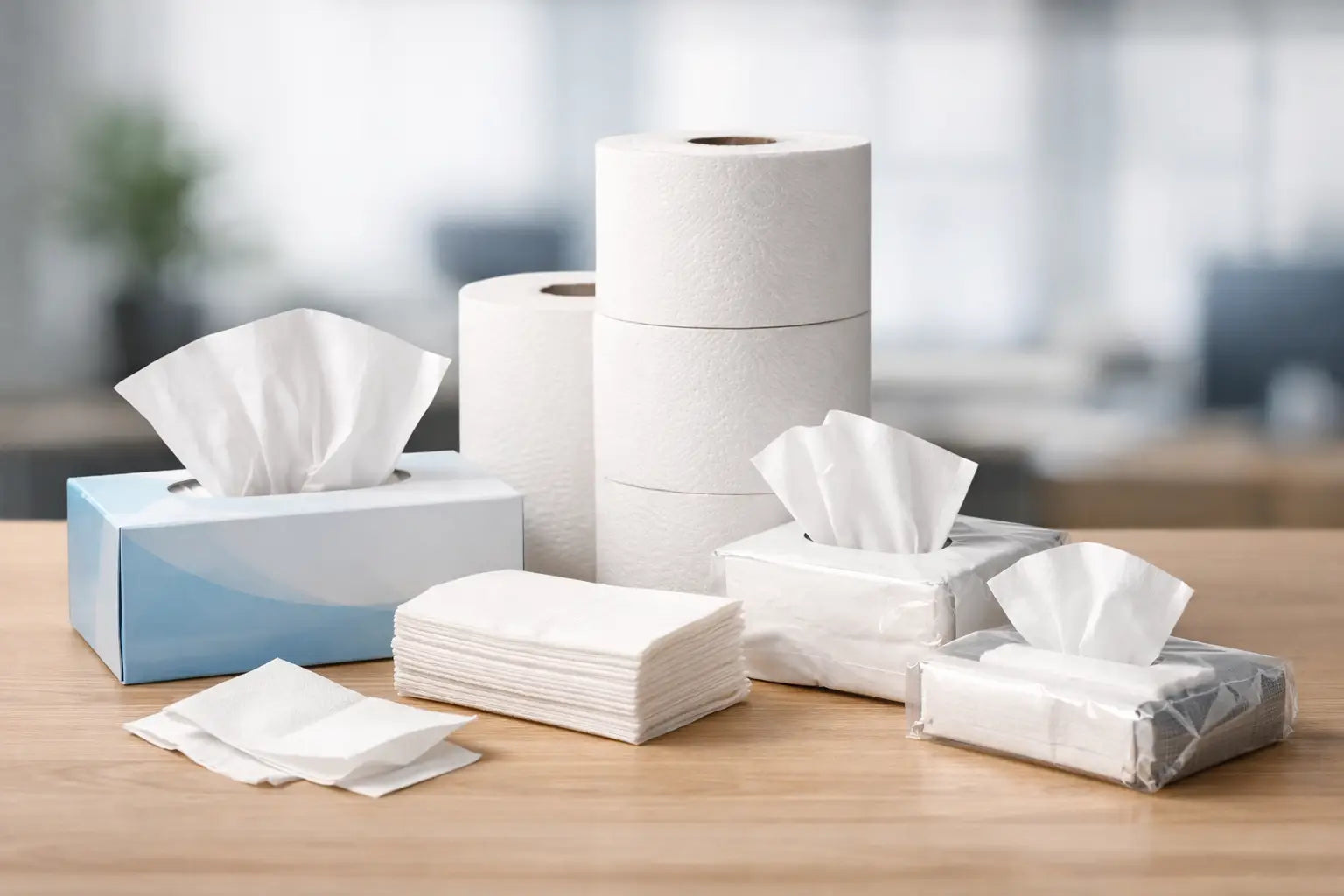
A box of tissues usually gets noticed only when it runs out, tears too easily, or leaves a mess behind. That is why choosing the right مناديل ورقية is less about appearance and more about daily performance. For homes, offices, restaurants, hotels, and event setups, the right tissue product supports hygiene, keeps service moving, and helps control supply costs without constant restocking.
Why مناديل ورقية matter more than they seem
Paper tissues are one of those small supplies that affect the customer experience and the day-to-day routine more than most buyers expect. In a restaurant restroom, low-quality tissues can create waste because people use more than they need. In an office, a weak tissue that falls apart quickly does not feel hygienic or dependable. At home, a product that is too rough or too thin ends up being replaced faster, which cancels out any short-term savings.
This is why smart purchasing starts with use case. A family stocking up for everyday use has different priorities from a caterer preparing for a weekend event. A hotel may care more about presentation and guest comfort, while a busy clinic or workspace may focus on bulk efficiency and consistent supply. The product is simple, but the buying decision should still be practical.
What to look for when buying مناديل ورقية
The first factor is softness, but softness alone is not enough. A very soft tissue can still disappoint if it tears under light pressure or turns dusty when pulled from the box. Strength matters just as much, especially in commercial settings where products need to hold up under frequent use.
Absorbency is another key point. A tissue that absorbs quickly helps reduce overuse, because people do not need to grab two or three extra sheets to do the same job. This matters in homes during cold season, and it matters even more in high-traffic environments where every case purchased should last as long as possible.
Packaging format also changes the value you get. Box tissues work well for desktops, counters, reception areas, and guest-facing spaces. Soft packs are often easier to store, carry, or place in vehicles and compact rooms. If your team is restocking multiple areas, the right format can save time as much as money.
Then there is ply count. Two-ply tissues are often the best balance for daily use because they combine comfort and durability at a practical price point. Single-ply can work where cost is the top priority, but it may lead to faster consumption. Higher-ply options can feel more premium, though they are not always necessary for every setting. The best choice depends on who is using them and how often.
Buying for home versus buying for business
Household buyers often shop by habit. They pick the same tissue they bought last time or choose the lowest price on the shelf. That works sometimes, but it can also lead to uneven quality. If tissues are being used across bedrooms, bathrooms, the kitchen, and the car, consistency matters. Buying in a larger quantity often makes sense if storage space allows, especially for families that want fewer last-minute shopping trips.
Business buyers usually need to think differently. They are not buying a single box for convenience. They are managing usage across a workplace, storefront, dining area, guest room, or event space. In that case, tissue selection becomes a supply decision. You want a product that performs reliably, fits your budget, and can be reordered easily without changing standards every few weeks.
There is also the issue of presentation. A plain tissue box may be fine in a stock room or break room, but front-facing spaces often need a cleaner look. This does not always mean buying a premium product. It means choosing packaging that feels appropriate for the environment while still making operational sense.
Common mistakes that lead to waste
One of the biggest mistakes is buying on price alone. The cheapest option can become the most expensive if users need double the amount to get the job done. Thin tissues also tend to trigger complaints faster, especially in hospitality and office settings where comfort and cleanliness shape impressions.
Another mistake is ordering the wrong quantity. Underordering creates supply gaps and rushed reorders. Overordering ties up budget and storage space, which can be a problem for smaller businesses or households with limited room. The better approach is to estimate based on traffic, seasonality, and how many locations need to be stocked.
Some buyers also treat all tissues as interchangeable. They are not. Facial tissues, napkins, paper towels, and bathroom tissue each serve a different purpose. Using one product as a substitute for another usually creates waste, poor user experience, or both.
How to match tissue type to the setting
In homes, comfort usually comes first. People want tissues that feel soft enough for regular use and strong enough not to fall apart. If children are using them often, easy-dispense packaging helps reduce mess and overuse.
In offices, balance is the goal. A dependable two-ply tissue in practical packaging often works best because it supports daily use without pushing costs too high. Reception areas may need a more polished look, while back-office spaces can prioritize volume and price.
Restaurants and cafes should think about where the tissues are being used. Front counter and customer-facing areas need products that look tidy and stay accessible. Staff areas may need bulk-friendly options that are easy to store and replace. If traffic is heavy, faster turnover means durability becomes even more important.
Hotels and event venues usually need a slightly different standard. Guest perception matters more, so softness and presentation have added value. That said, not every room or station needs the same product. A smart buyer may choose one tissue type for guest rooms and another for staff support areas to keep costs under control.
Storage, ordering, and supply planning
Even a reliable tissue product can become inconvenient if it is not managed properly. Good supply planning starts with knowing your usage rate. If a business goes through several cases a month, it makes sense to order on a schedule rather than waiting until shelves look empty. This reduces emergency purchases and helps keep inventory costs predictable.
Storage conditions matter too. Paper products should stay dry, clean, and organized so they are ready to use when needed. Crushed boxes, damaged wrapping, and cluttered stockrooms make replenishment slower and can affect product condition.
For households, bulk ordering is often worth it when the product is used regularly and storage space is available. For businesses, volume purchasing usually delivers the strongest value because it lowers reorder frequency and supports more consistent operations. That is where a supplier with a wide range of essentials becomes useful. If you are already buying cups, containers, cleaning products, or service disposables, adding tissues to the same order can save time and simplify purchasing.
Price versus value
The most effective way to judge tissue cost is not by the unit price alone. Look at how long the product lasts, how well it performs, and whether it suits the environment where it will be used. A slightly higher-priced tissue that reduces waste and complaints can offer better overall value than a bargain option that empties twice as fast.
This is especially true for businesses that buy in bulk. A small difference in sheet quality gets multiplied across many users, many rooms, or many service periods. Reliable performance helps teams work faster and reduces the need to troubleshoot basic supply issues.
White Pack’s customer base often shops with this mindset already. They are not looking for extras they do not need. They want practical products that do the job, support hygiene, and make repeat ordering simple.
A better way to buy tissues
The right tissue purchase is not about chasing the softest box or the lowest price. It is about choosing a product that fits the space, holds up in real use, and makes restocking easier instead of harder. When you buy with purpose, tissues stop being an afterthought and start becoming part of a cleaner, more efficient routine.
If you are replenishing for home, stock up on the format you use most and avoid the false economy of low-performance products. If you are buying for business, think in terms of traffic, presentation, and reorder consistency. A small product choice can quietly improve daily operations, and that is usually the kind of value that lasts.