Cart
0
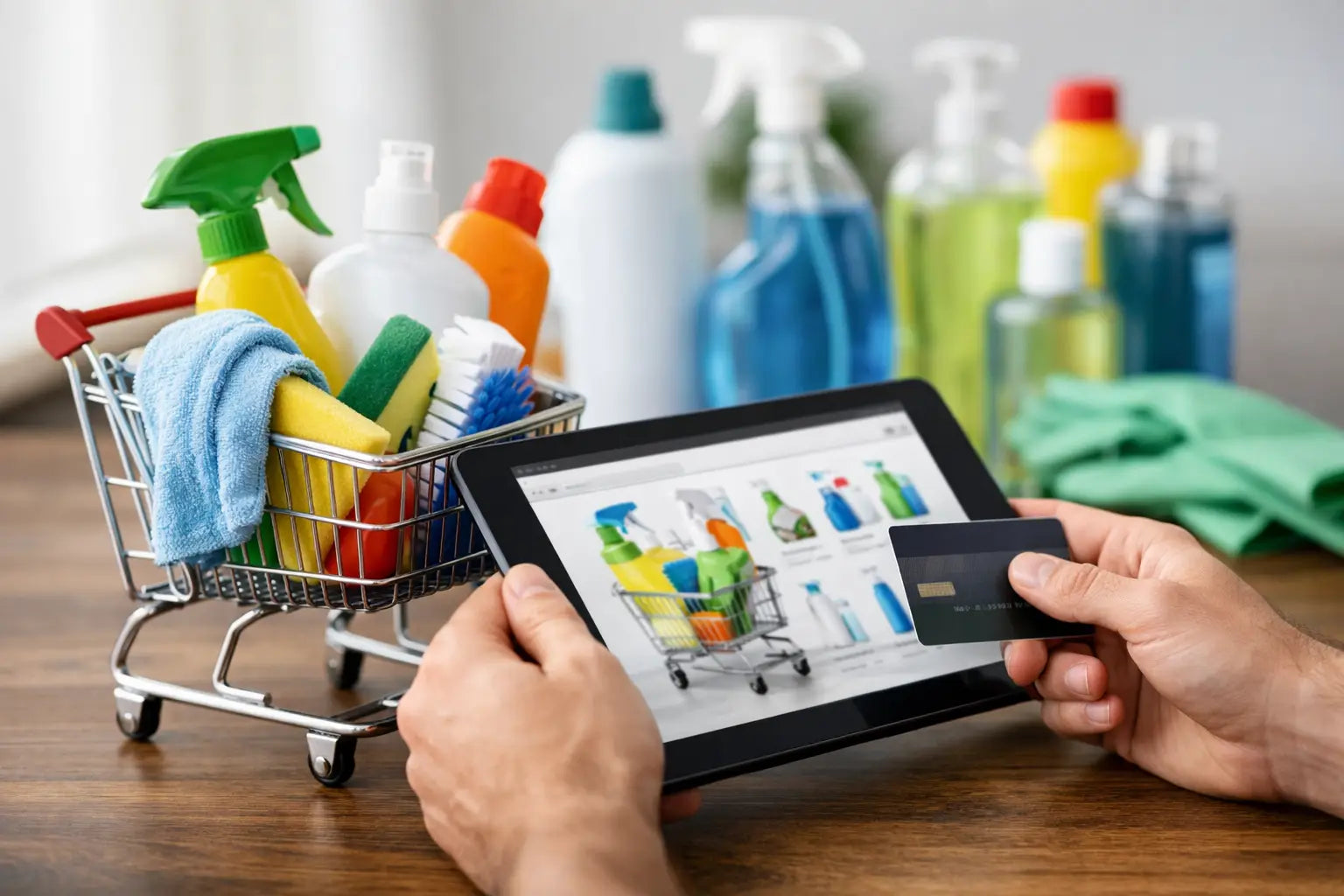
Running out of paper towels in the middle of service, discovering you bought the wrong trash bags for your bins, or paying extra because you had to place three separate orders - that is usually when people start asking how to buy cleaning supplies more efficiently. Whether you are stocking a restaurant, office, rental property, event space, or your own home, the goal is the same: get dependable products, in the right quantities, at a price that makes sense.
The mistake most buyers make is treating cleaning supplies like random add-ons. They are not. They are part of daily operations, presentation, hygiene, and customer experience. Buying well saves time, reduces waste, and helps you avoid those last-minute purchases that usually cost more.
How to buy cleaning supplies without overspending
The smartest approach starts before you add anything to your cart. You need a clear picture of what you actually use, how often you use it, and where product quality matters most.
For a business, that usually means looking at supply use by area. Front-of-house cleaning needs are different from kitchen sanitation, restroom maintenance, and general waste handling. A household has the same pattern on a smaller scale. Kitchen, bathroom, floors, laundry, and event cleanup all use different items, and the wrong product in the wrong category usually leads to waste or poor results.
Start with your routine. If you clean the same surfaces every day, buy those essentials consistently and in practical quantities. If your needs spike for weekends, catering jobs, seasonal traffic, or parties, account for that separately. The point is to buy based on real use, not guesswork.
A good purchasing plan usually separates products into three groups: daily essentials, occasional-use items, and emergency backups. Daily essentials might include paper towels, disinfecting products, trash bags, gloves, and dishwashing supplies. Occasional-use items might include heavy-duty degreasers, floor care products, or event cleanup supplies. Emergency backups are the products you do not want to run out of, even if usage is irregular.
Know what you are cleaning
One reason buyers overspend is that they buy stronger, more specialized products than they need. Another is that they buy products that are too light-duty for the job, then use more of them. Both are expensive.
Cleaning a home kitchen counter is not the same as cleaning a food prep station in a commercial setting. Restroom care in a small office is different from restroom care at a high-traffic venue. If you match the product to the task, you get better performance and better value.
For general buying, think in terms of surfaces and functions. Hard surfaces may need an all-purpose cleaner or disinfectant. Floors may need separate products depending on material and traffic. Waste management requires the right bag size and thickness. Hand cleaning and wiping products should fit the setting, especially if speed and hygiene matter.
If you also buy packaging, food-service disposables, or event supplies, it makes sense to plan those alongside your cleaning order. Many buyers prefer one source for cups, containers, bags, napkins, and cleanup basics because it cuts down on repeat ordering and simplifies restocking.
Buy by use case, not just by product name
This is where a lot of carts go wrong. "Cleaner" is too broad. Ask what job the item is doing. Is it sanitizing a food-contact area? Absorbing spills quickly? Handling greasy waste? Supporting event cleanup? Once you buy by use case, you make fewer mistakes.
The same applies to paper goods and disposables. A low-cost option can still be a poor value if you need twice as much of it to do the job. On the other hand, buying premium-grade products for light household use may not be necessary. It depends on volume, frequency, and expectations.
Choose quantity with some discipline
Bulk buying is one of the easiest ways to control cost, but only if you buy the right items in bulk. Fast-moving basics are usually safe to stock up on. Slow-moving products are not.
For businesses, this often means buying paper goods, trash liners, gloves, wipes, and high-use cleaning materials in larger quantities. For households, bulk buying makes more sense for staples you know you will use steadily, especially if you host often or manage a larger family home.
Storage matters here. If your supply room is tight, overbuying can create clutter, damage packaging, and make stock harder to manage. If products are exposed to moisture or heat, shelf life and performance can become an issue. The best quantity is not the biggest case. It is the amount you can store properly and use on schedule.
A simple rule works well: buy deeper on predictable essentials, stay moderate on specialty items, and test first if you are switching brands or sizes.
How to buy cleaning supplies online for speed and control
Online purchasing works best when the catalog is clear and the reorder process is simple. That matters for businesses managing regular supply needs and for households that do not want to spend time shopping aisle by aisle.
When you buy online, check product sizing, pack counts, and item descriptions carefully. A common mistake is comparing prices without comparing quantities. One carton may look cheaper until you realize it includes fewer units or lighter-duty materials.
It also helps to group your order around operational needs. If you need trash bags, cleaning cloths, gloves, paper products, and food-service disposables, buying them together can save time and reduce shipping complexity. For many buyers, convenience is not a bonus. It is part of the value.
This is where a broad, dependable supplier becomes useful. White Pack serves buyers who want to cover cleaning materials, disposable essentials, and packaging needs in one order instead of patching together purchases from multiple stores.
Watch for hidden cost drivers
The sticker price is only one part of the cost. Product failure, frequent reordering, oversized packaging, and inconsistent quality all add expense.
If a trash bag tears easily, you use more bags and more labor. If a wiping product is too thin, staff or household members grab extra sheets. If a cleaner underperforms, you spend more time re-cleaning. The lowest shelf price is not always the lowest operating cost.
That does not mean you should always buy the highest-grade item. It means you should buy the product that performs reliably for the setting. In some cases, standard-grade items are enough. In others, spending a little more protects efficiency.
Build a repeatable buying system
The best supply buyers are rarely improvising. They have a simple system that keeps ordering easy and predictable.
For a business, that may mean setting minimum stock levels for key items and reviewing usage weekly. For a household, it may mean keeping a short reorder list in the pantry, laundry room, or phone notes. Either way, consistency beats urgency.
Try to standardize where possible. If one trash bag size works across multiple bins, that simplifies ordering. If one all-purpose product covers most daily wipe-downs, that reduces duplicate buying. Standardization helps with storage, training, and cost control.
It also helps to review your purchasing every few months. Demand changes. A busy season, new service model, office growth, or more frequent hosting can shift what you need. Buying habits should keep up.
Common mistakes to avoid
Many supply issues come from a few repeat mistakes. Buyers either underestimate how much they use, overestimate how much storage they have, or buy products that do not fit the task.
Another common problem is splitting purchases too widely. One vendor for cups, another for containers, another for cleaning products, another for trash bags - it sounds manageable until reorder timing gets messy. Consolidating suppliers where it makes sense can save more than just money. It saves attention.
There is also the problem of buying on promotion alone. A discount is useful only if the product fits your actual needs. If it sits untouched in storage or performs poorly, it was not a good buy.
What smart buying looks like in practice
A smart cleaning supply order is not complicated. It is simply matched to your routine, your space, and your volume. You know which products move fast, which ones need dependable quality, and which ones are fine to buy more conservatively.
For a restaurant, that may mean consistent stock of liners, gloves, paper products, sanitizing supplies, and takeaway-related cleanup items. For an office, it may center on restroom products, breakroom cleaning, surface wipes, and waste handling. For a home, it may be kitchen basics, bathroom essentials, floor care, and extra cleanup supplies for gatherings.
The right order feels boring in the best possible way. It arrives on time, fits your storage, performs the way you expect, and keeps your day moving.
If you are figuring out how to buy cleaning supplies, the smartest move is to think less like a casual shopper and more like a supply planner. Buy for the job, buy for the pace of use, and buy from a source that makes repeat ordering easier. When your essentials are reliable, everything else runs cleaner and smoother.