Cart
0
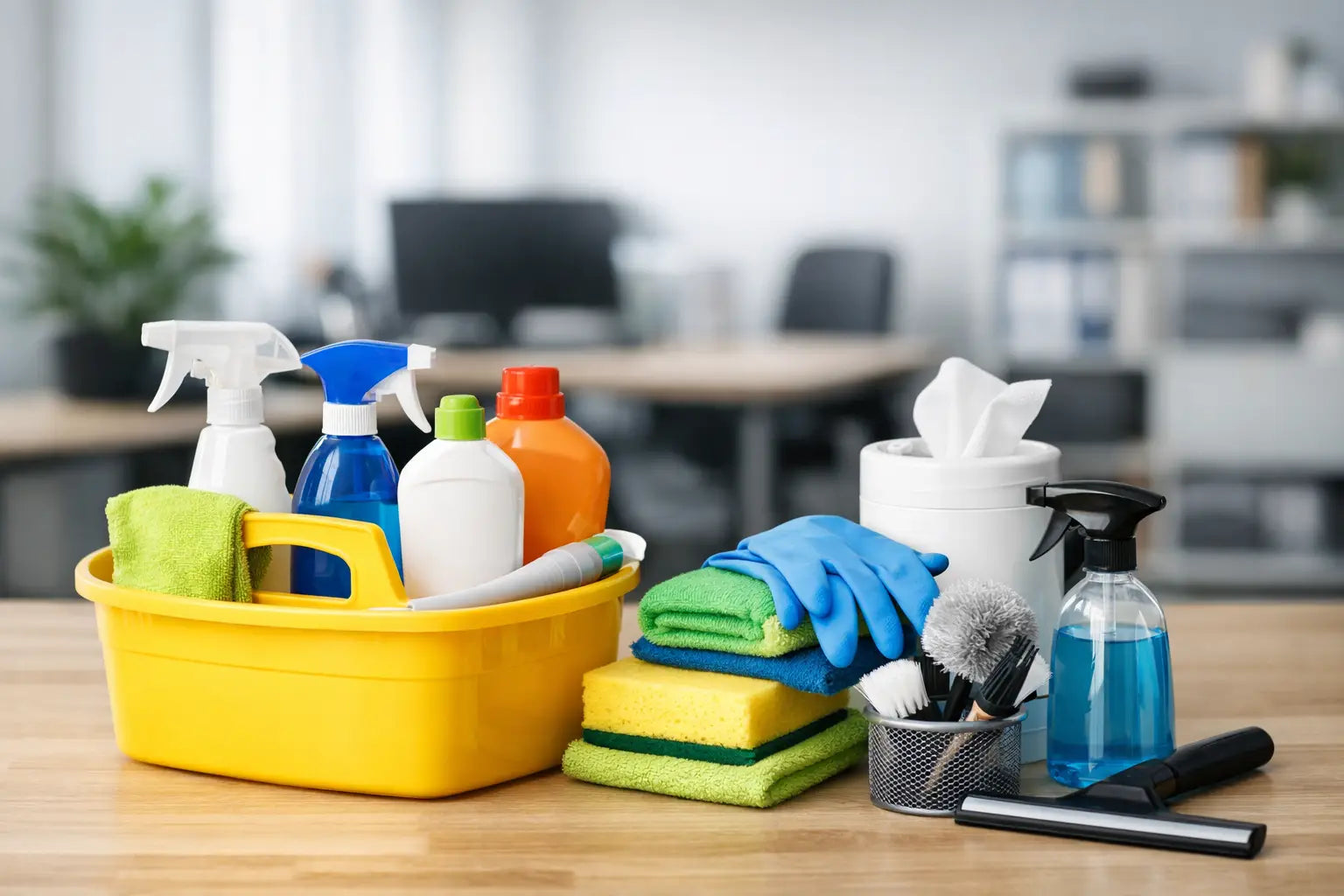
A desk can look clean at 9 a.m. and feel neglected by 3 p.m. Coffee rings show up in the break room, fingerprints build on glass doors, and restrooms tell the real story fast. That is why choosing the best cleaning supplies for offices is less about buying more products and more about stocking the right ones for daily use.
For office managers, facilities teams, and small business buyers, the goal is simple: keep workspaces clean, presentable, and easy to maintain without overspending or overcomplicating the supply closet. A good office cleaning setup should cover high-touch surfaces, floors, restrooms, shared kitchens, and waste handling. It should also make reordering easy, because the best system is the one your team can actually keep running.
What the best cleaning supplies for offices should do
Office cleaning products need to handle frequent use, varied surfaces, and different levels of mess. A law office, call center, coworking space, and back-office warehouse all have different cleaning demands, but most share the same basics. Products should be effective, easy to store, and practical for routine use.
The biggest mistake is buying specialty items for every small task while missing the essentials. In most offices, dependable general-purpose products do more work than niche cleaners. You want supplies that help staff clean quickly, reduce cross-contamination, and keep costs predictable.
It also helps to think in zones. Restrooms need stronger sanitation support. Kitchens and break rooms need grease and food residue control. Desks and reception areas need lighter products that clean without leaving harsh odors or streaks. When supplies match the space, cleaning becomes faster and more consistent.
1. All-purpose cleaner
If there is one product every office should keep in steady supply, it is an all-purpose cleaner. This is the day-to-day workhorse for desks, counters, tables, doors, and common touchpoints. A good formula cuts through dust, light grime, and routine spills without requiring a separate product for every room.
The trade-off is that all-purpose cleaners are not always the best choice for heavy disinfecting or bathroom scale buildup. Still, for general maintenance, they offer the best balance of convenience and value.
2. Disinfectant spray or wipes
Shared offices mean shared surfaces. Phones, keyboards, conference tables, door handles, copier panels, and break room appliances all collect germs quickly. Disinfectant sprays or wipes help reduce contamination on high-touch surfaces and are especially useful during cold and flu season.
Wipes are convenient and fast for spot cleaning, while sprays usually make more sense for larger areas and bulk use. If your office has frequent visitors or dense staff seating, this category deserves priority.
3. Glass cleaner
Smudged entry doors, interior glass partitions, and reception windows affect how clean the entire office feels. Even when floors and desks are spotless, streaked glass makes the space look overlooked. A reliable glass cleaner keeps transparent surfaces clear and professional.
This is one of those products that seems optional until you notice how visible the difference is. For front-facing businesses, it matters even more.
4. Microfiber cloths
Cleaning chemicals get attention, but the cloth matters too. Microfiber cloths trap dust and lift residue better than many basic rags or paper towels. They work well on desks, screens, counters, and glass when used correctly.
They also help reduce waste because they can be reused, although that depends on your cleaning setup. In some offices, disposable wiping products are easier to manage. In others, reusable microfiber lowers long-term cost. It depends on whether your team can keep cloths washed, separated, and ready to use.
5. Paper towels and wiping rolls
Paper towels are one of the most practical office cleaning supplies because they support both cleaning and spill response. They belong in break rooms, restrooms, janitorial closets, and anywhere a quick wipe-up may be needed.
For high-traffic environments, standard household rolls often run out too quickly. Bulk-friendly paper products usually make more sense for offices because they reduce restocking frequency and help control per-use cost.
6. Trash bags and liners
A clean office depends on waste control as much as surface cleaning. Desk bins, restroom trash cans, kitchen containers, and larger facility bins all need the right liners. Weak or undersized bags create leaks, tears, and extra labor.
Choosing the right size and thickness matters. Lightweight liners may work for paper waste at desks, but break rooms and restrooms often need stronger bags. Buying one bag type for every bin may seem simpler, but it can lead to waste or poor fit.
7. Bathroom cleaner
Restrooms need more than an all-purpose product. Sinks, toilets, urinals, partitions, and tile areas benefit from cleaners made for soap residue, grime, and odor control. This is one area where cutting corners usually shows right away.
A dedicated bathroom cleaner helps keep fixtures presentable and reduces the buildup that gets harder to remove over time. If your office serves clients or customers on-site, restroom maintenance is part of your brand presentation whether you plan it that way or not.
8. Toilet paper, hand soap, and restroom refills
Strictly speaking, these are hygiene supplies rather than surface cleaners, but they belong in any real office cleaning plan. Running out of soap or toilet paper creates a bigger problem than most buyers expect. Staff notice it immediately, and guests do too.
The best approach is simple: standardize the products, buy in volume, and reorder before you are low. Basic restroom refills are not glamorous, but they are operational essentials.
9. Floor cleaner and mop system
Office floors take constant wear from shoes, spills, weather, and foot traffic patterns. Hard floors need a cleaner appropriate for the material, while tile and vinyl often benefit from regular wet cleaning in entryways, kitchens, and restrooms.
A mop system should be easy to use and easy to maintain. If the process is too awkward, it will be skipped. For carpeted offices, spot-cleaning products may also be worth keeping on hand, especially near coffee stations and meeting rooms.
10. Broom, dustpan, or dry sweeping tools
Not every mess calls for a vacuum or mop. Crumbs in the break room, dirt near entrances, and scattered debris around workstations are easier to handle with basic sweeping tools. These are low-cost supplies that save time every week.
For smaller offices, a simple broom and dustpan may be enough. Larger layouts may need wider sweep tools or more than one cleaning station so staff are not hunting for equipment.
11. Air freshening and odor control products
Clean and fresh are not exactly the same thing. Break rooms, restrooms, and enclosed meeting spaces can hold lingering odors even after surfaces are wiped down. Light odor-control products can help maintain a more comfortable environment.
That said, this is an area where less is often better. Heavy fragrances can bother employees and visitors. The better choice is usually products that neutralize odors rather than mask them aggressively.
12. Gloves for cleaning tasks
Disposable gloves are a practical addition for restroom cleaning, trash handling, and any task involving chemicals or bodily contact surfaces. They help protect staff and support better hygiene practices during routine maintenance.
For general office use, keep glove selection simple and task-based. The point is reliable protection and convenience, not stocking every variation available.
How to choose office cleaning supplies without overspending
The best cleaning supplies for offices are not always the cheapest items on the shelf, and they are not always premium products either. The right choice usually comes down to frequency of use, staff count, visitor volume, and how much of the cleaning is done in-house.
If your office has a janitorial service, you may still need daily-use products for spills, touch-up cleaning, and restroom restocking between visits. If cleaning is handled internally, consistency matters even more. Running out of liners, soap, or paper products causes more disruption than buying a slightly lower-cost surface spray ever saves.
Bulk purchasing often makes the most sense for products used every day, especially trash bags, paper goods, soap, and general cleaners. For slower-moving items, it may be smarter to buy moderate quantities and monitor usage. The goal is steady availability without filling storage space with products that sit too long.
It also helps to reduce unnecessary product overlap. One dependable all-purpose cleaner, one disinfectant, one bathroom cleaner, and the right paper and waste supplies will cover most office needs. Keep the system simple enough that anyone responsible for ordering can repeat it without guesswork.
A practical supply setup for most offices
Most offices do well with a core mix of cleaners, paper products, liners, restroom essentials, and a few basic tools. What changes is the volume. A small administrative office may need modest monthly replenishment. A busy office with clients, shared restrooms, and a break room will burn through supplies much faster.
That is why procurement works best when it is routine, not reactive. A dependable supplier with a broad range of cleaning and disposable essentials can save time, reduce last-minute shortages, and make ordering easier across categories. For many businesses, that convenience matters just as much as price. White Pack fits that need well because office buyers can source practical cleaning basics and everyday operational supplies in one place.
A clean office does not come from a complicated product list. It comes from keeping the right essentials in stock, using them consistently, and making reordering one less thing to worry about.