Cart
0
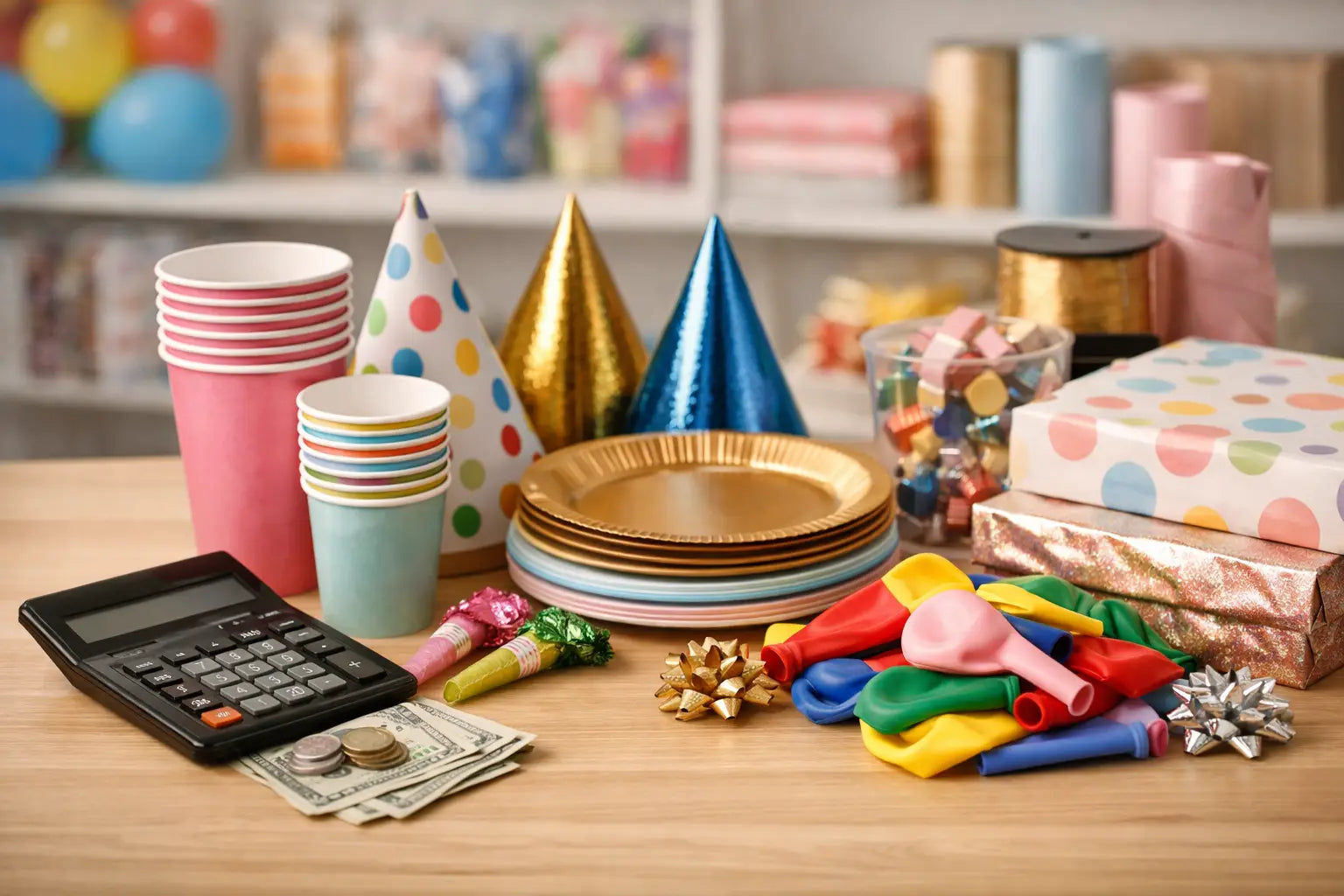
A party can be fully planned and still fall apart at serving time: too few cups, no extra trash bags, flimsy plates under hot food, or a missing roll of foil when leftovers need to go home. Knowing how to stock party supplies means building a practical reserve around your guest count, menu, service style, and cleanup needs. The goal is not to buy every possible item. It is to have dependable essentials ready when the room gets busy.
Whether you are ordering for a restaurant event, an office celebration, a catered gathering, or a family party at home, a simple supply plan saves money and prevents last-minute shopping.
Start With the Party Details That Change Your Order
Before choosing cups, plates, containers, or serving trays, define what the event actually requires. Guest count is the starting point, but it is not the only number that matters. A two-hour afternoon birthday party needs a different setup than a four-hour buffet, a holiday dinner, or a corporate open house with people arriving in waves.
Think through the meal, not just the headcount. Guests who are eating a full meal need plates, utensils, napkins, and drinkware. A dessert-and-drinks event may use more cups than plates. A buffet requires serving utensils, food pans or trays, foil, and containers for replenishing food. If guests will take food home, add takeaway containers and bags before placing the order.
Also consider the service environment. Indoor events may need fewer durable trays than an outdoor party, where wind, uneven tables, and longer holding times can affect what works best. For business events, choose supplies that are easy for staff to restock and easy for guests to use without asking for help.
How to Stock Party Supplies by Guest Count
A useful rule is to buy for expected attendance, then add a reasonable buffer. For most casual events, plan for 10 to 20 percent more disposable supplies than the final guest count. The right buffer depends on how food and drinks are served.
For example, a 50-person lunch with one main course and a dessert may call for 60 dinner plates, 60 dessert plates, 75 cups, and at least 60 sets of utensils. If guests serve themselves or children are attending, increase the cup and napkin count. Cups disappear quickly when people set them down and grab a fresh one.
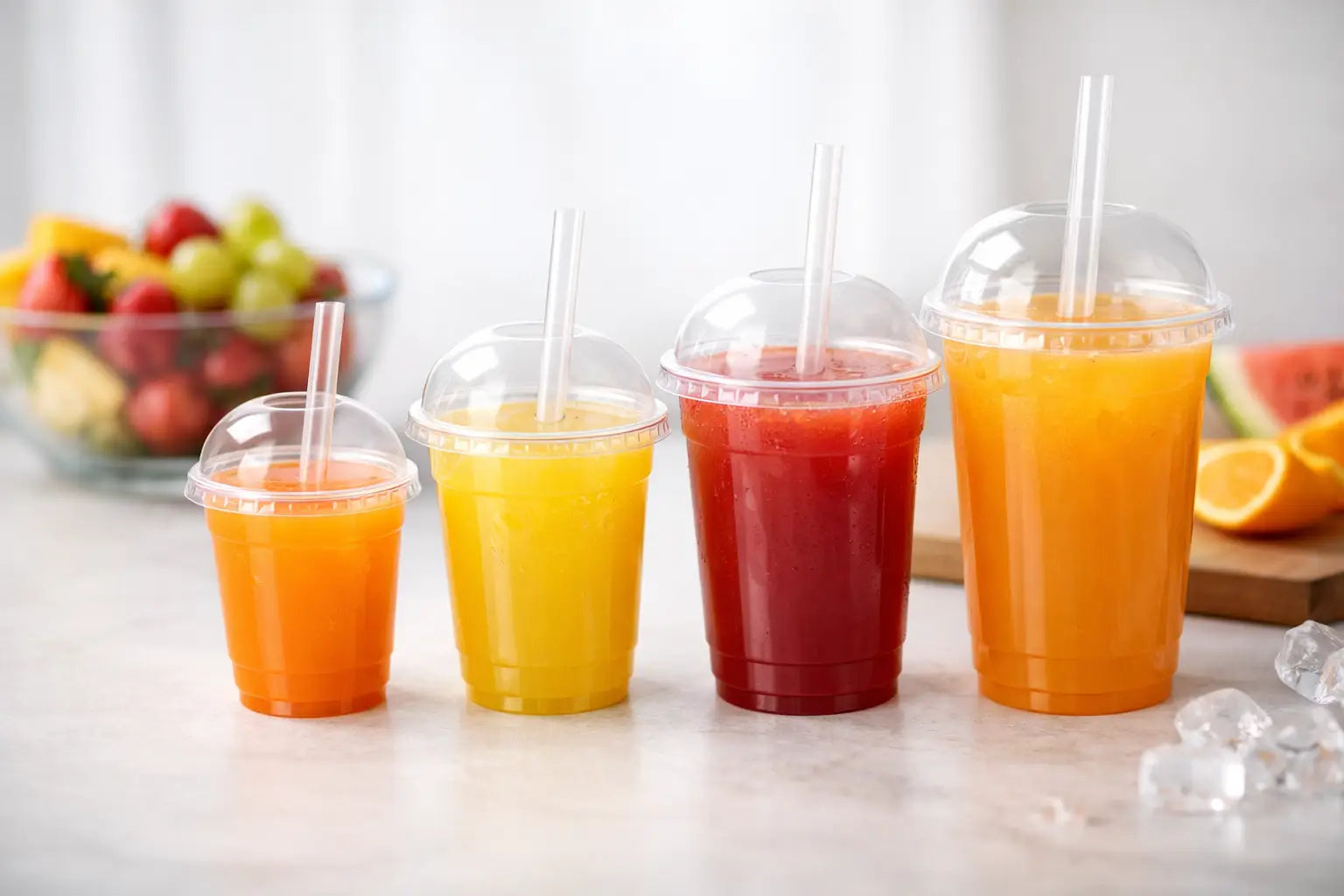
For drinks, estimate by refill behavior. At a short event with bottled beverages, two cups per person may be enough. At a longer gathering with coffee, soft drinks, water, and mixed beverages, plan for three to four cups per guest. Using separate cup sizes for hot and cold drinks can also make service clearer and reduce waste.
Napkins deserve more attention than they usually get. For snacks and drinks, two to three napkins per person is a practical minimum. For saucy foods, barbecue, or full meals, four or more per person may be appropriate. It costs far less to keep extra napkins on hand than to manage a spill without them.
Build Your Core Supply List Around Service and Cleanup
The most efficient way to stock party supplies is to organize purchases by what happens before, during, and after the party. This avoids ordering plenty of tableware while forgetting what is needed to transport food or handle waste.
Food serving and holding
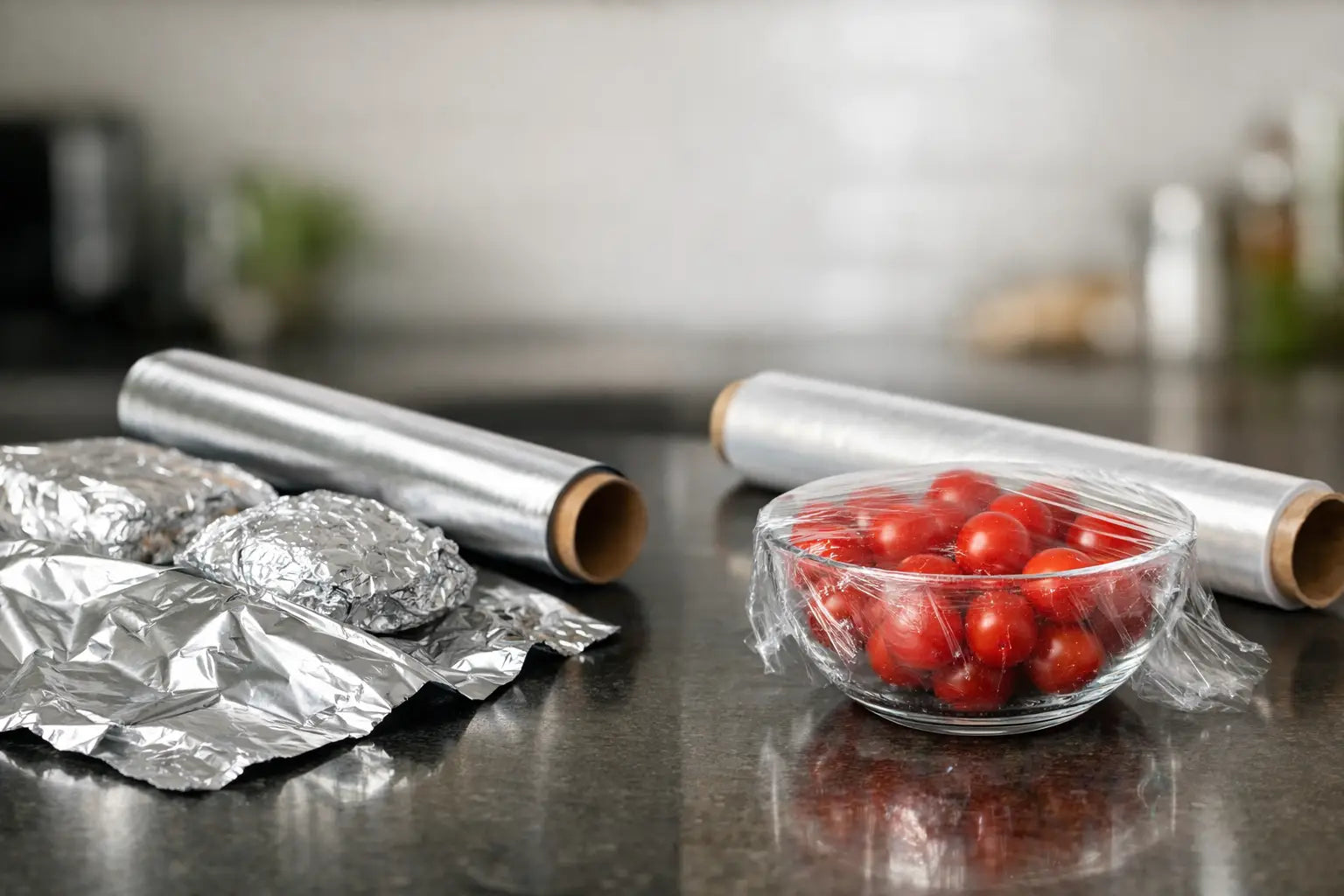
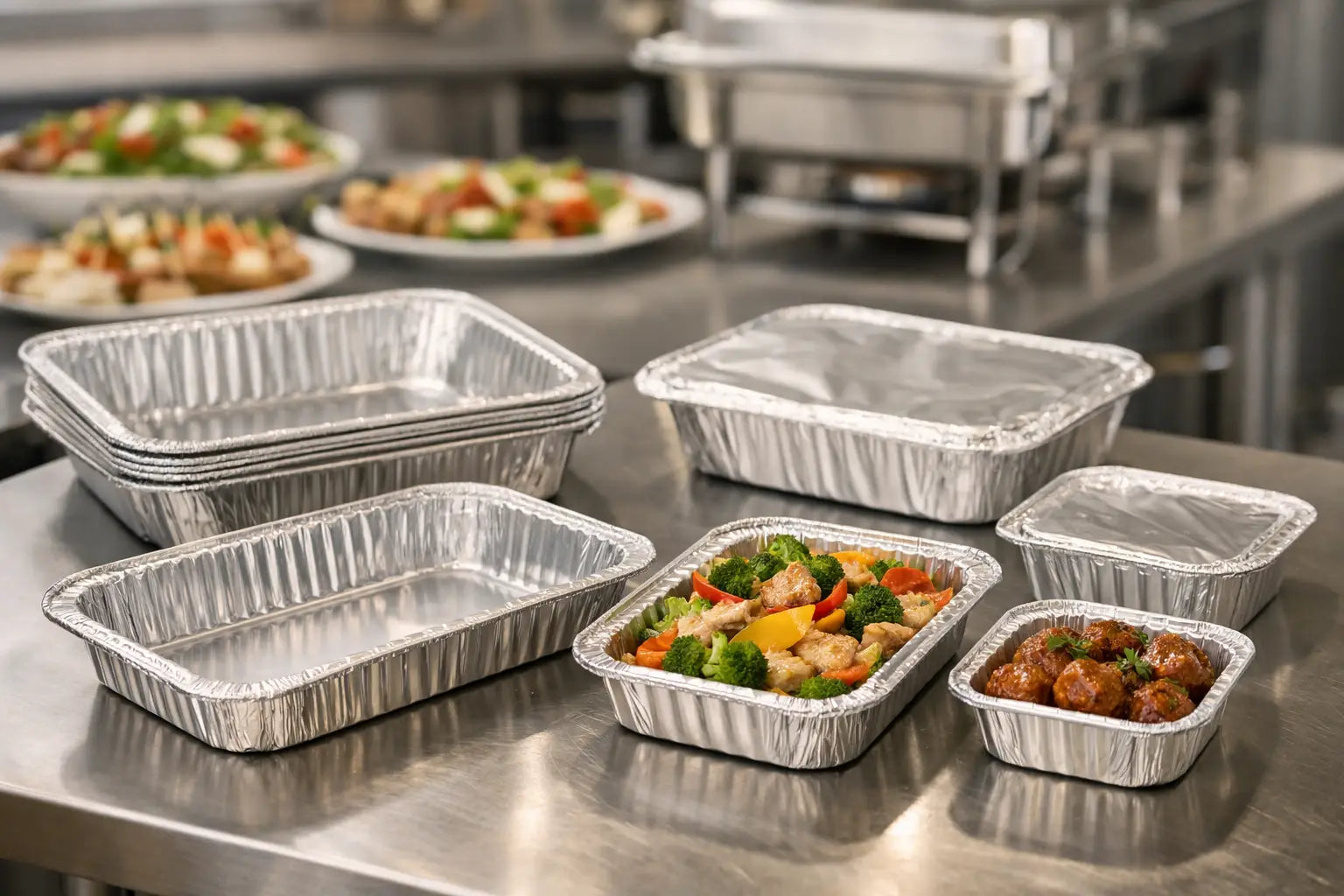
Choose trays, aluminum pots, foil containers, or microwave-safe containers based on the menu and how long food needs to stay covered. Hot foods benefit from sturdy containers and foil that hold heat and protect against spills. Cold sides, desserts, and finger foods may be easier to portion in clear plastic or craft containers.
If the food is prepared off-site, order extra lids and containers. They protect food in transit and make it easier to store leftovers safely. For caterers and restaurants, using consistent container sizes also makes packing and staging more efficient.
Guest tableware
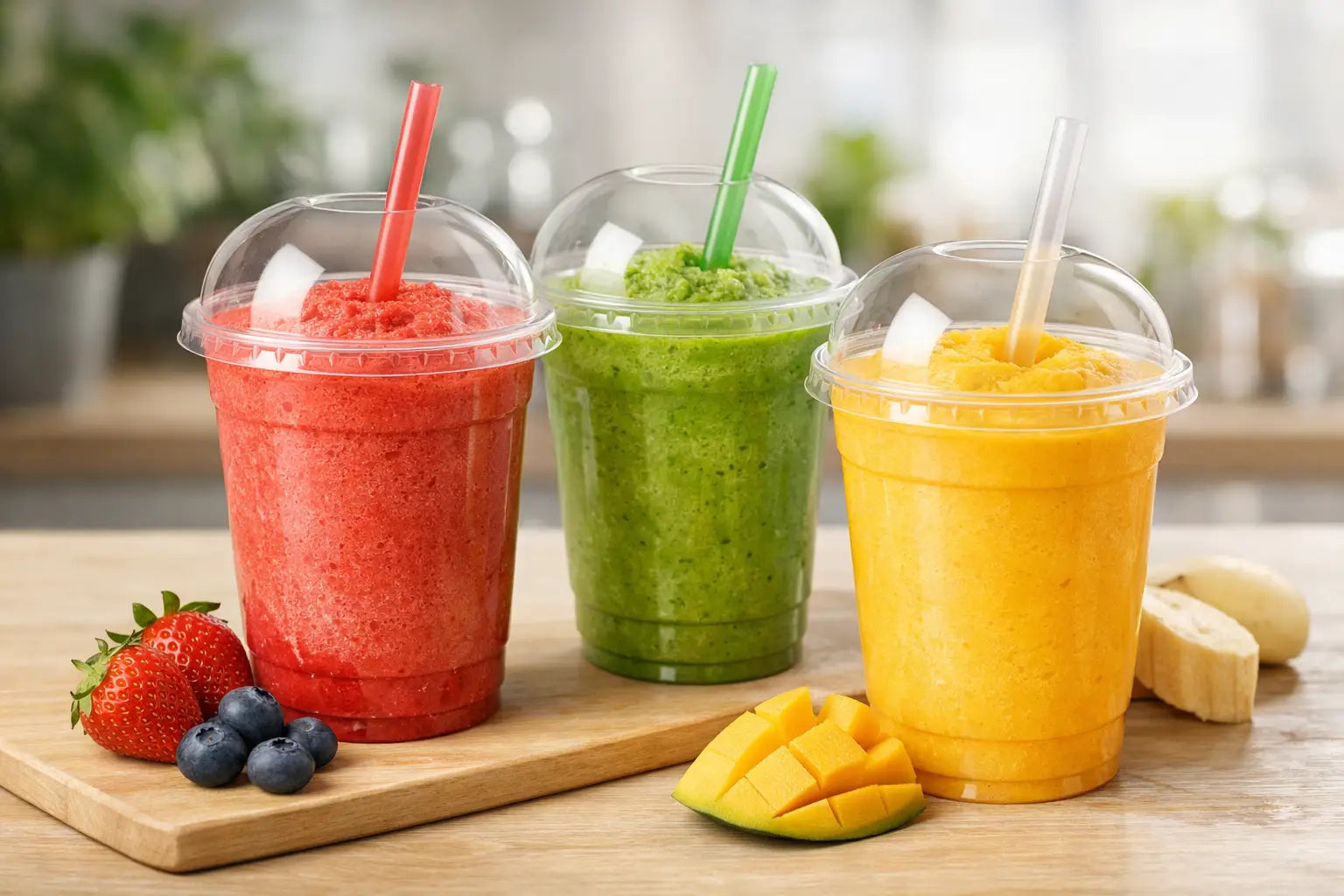
Match plates, bowls, cups, straws, and utensils to the foods being served. Thin snack plates may be sufficient for cookies or sandwiches, but a full meal with pasta, meats, or sauced dishes calls for a stronger plate. Buying the cheapest option can become expensive if guests need to double up or if food spills during service.
Keep colors and styles simple when buying in volume. Neutral or coordinated disposable tableware looks organized, works across many occasions, and is easier to replenish for future events. Specialty designs can be useful for a themed party, but core stock should stay versatile.
Takeout and leftovers
Leftovers are common at family celebrations, office lunches, and catered events. Stock containers with secure lids, takeaway bags, and foil for wrapping trays. This is especially useful when guests expect to take food home or when staff need to store remaining food after the event.
Do not assume the original food packaging will be enough. Once buffet trays are opened, you often need separate containers for portions, sauces, desserts, or side dishes. A small extra supply of containers prevents waste and keeps cleanup moving.
Cleaning and waste control
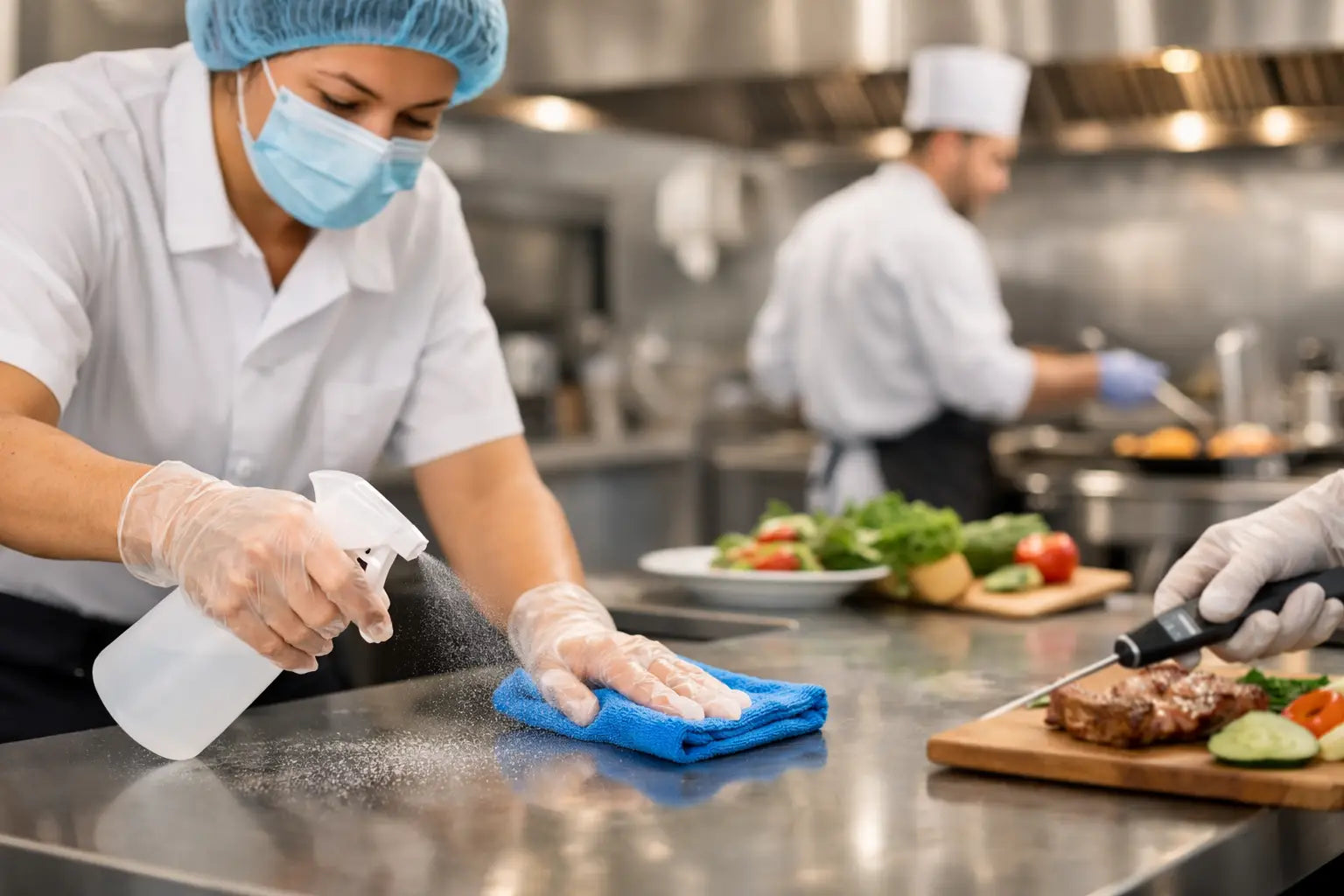
Cleaning supplies are part of party supplies, not an afterthought. Keep trash bags, paper towels, disposable gloves, cleaning cloths, and surface-cleaning products within reach. If the event has multiple rooms or serving stations, set up waste bins in more than one location.
For larger gatherings, designate one person or team to check trash levels, wipe spills, and restock cups and napkins. This small operational step keeps the space cleaner and helps guests feel comfortable throughout the event.
Buy in Bulk for the Items You Use Every Time
Not every party item should be bought in large quantities. Decorations, themed table covers, and specialty serving pieces depend on the occasion. But a reliable inventory of everyday disposables can reduce repeat purchases and give you better control over cost.
The best bulk items are the products that work across many events: paper cups, plastic cups, straws, toothpicks, napkins, aluminum foil, food containers, takeaway bags, and trash bags. These products are useful for birthdays, staff lunches, holidays, customer events, and routine food service.
For businesses, review past event usage before ordering. If your location hosts two monthly staff meals and one quarterly customer event, calculate your average use per event and keep enough inventory for the next cycle. Add a reorder point so you are not waiting until the shelves are nearly empty.
Households can use the same approach on a smaller scale. Keep a labeled bin with basic party supplies, then buy occasion-specific items only when needed. This makes hosting less stressful and prevents unopened products from being scattered across closets and cabinets.
Choose Quality Based on What the Item Must Do
Party supplies are not all interchangeable. The right choice depends on weight, temperature, moisture, and handling. A clear cold cup may be ideal for water or soda, while hot beverages need cups designed for heat. A lightweight plate can work for cake but may not be suitable for a heavy meal.
For food containers, consider whether they need to go from kitchen to car, refrigerator to microwave, or buffet to takeaway bag. Lids should fit securely, containers should be easy to stack, and materials should suit the intended food. These details matter more when you are serving a crowd because small failures multiply quickly.
It also helps to standardize where possible. Using a limited range of cup sizes, container types, and tray sizes simplifies storage, staff training, and replenishment. White Pack helps buyers source these everyday essentials in one place, making it easier to build a supply order around the way an event will actually run.
Store Supplies So They Are Ready to Use
A well-stocked supply room only works if products are clean, dry, and easy to find. Keep disposable tableware away from moisture, cleaning chemicals, and direct heat. Store cups upside down or in their original sleeves, keep lids with matching containers, and place frequently used items at eye level.
Label shelves or bins by category: drinkware, tableware, food packaging, serving products, and cleanup. For larger operations, use the first-in, first-out method so older inventory is used before newer stock. Check open cases after every event, not just before the next one. A half-empty carton of cups or a missing lid size can create an avoidable shortage.
Avoid overstocking products with narrow uses. A case of standard cups will likely get used, while a large quantity of event-specific decor may sit untouched for a year. Stock deep on practical essentials and buy specialized items closer to the event date.
Keep the Budget Focused on What Guests Notice
Cost control does not mean cutting every line item. It means spending where performance affects the guest experience. Sturdy meal plates, secure food containers, adequate drinkware, and enough cleanup supplies are worth prioritizing. Those are the items that prevent spills, delays, and waste.
You can save by choosing multi-purpose supplies, buying core products in volume, and limiting unnecessary variations. For instance, one dependable cold cup size may cover water, soda, and juice. A versatile aluminum container can handle food preparation, buffet service, and leftovers. Fewer product types usually mean easier ordering and less leftover inventory.
Before each event, compare your current stock with the party plan. Use what you already have first, then order only the items needed to fill the gap. That habit keeps supplies fresh, budgets predictable, and storage manageable.
The best party supply setup is one your team or household can repeat without scrambling. Build a core inventory, adjust it for the menu and crowd, and leave enough room for the unexpected. When the last guest leaves, you should be thinking about the next event, not the items you forgot to buy.