Cart
0
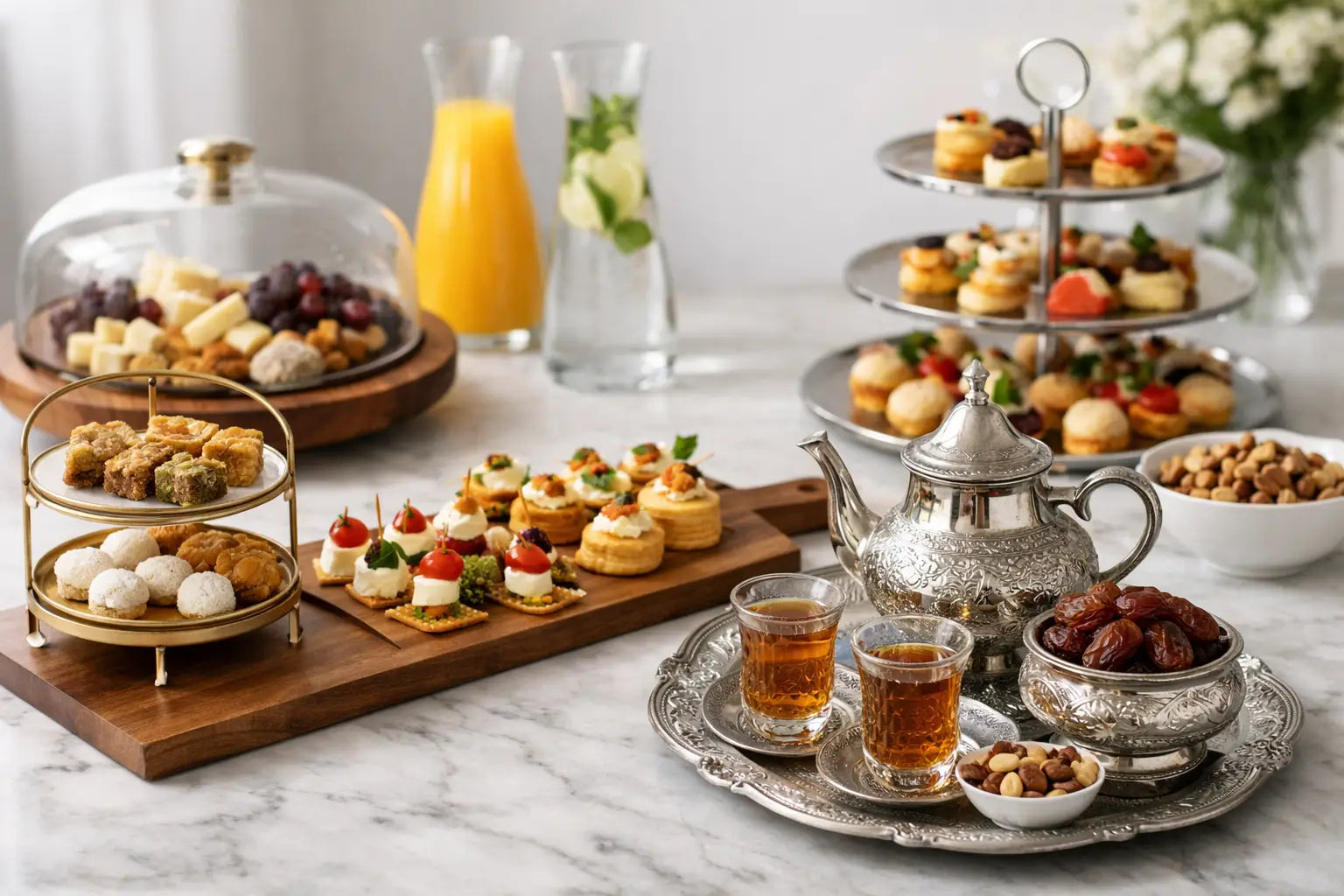
A rushed setup shows immediately. Cups run out, trays bend under weight, lids do not fit, and a simple coffee station turns into a messy bottleneck. That is why choosing the right مستلزمات تقديم للضيافة is not just about appearance. It is about speed, cleanliness, cost control, and making service easier for guests and staff.
For households, that can mean hosting without constant dishwashing or last-minute store runs. For offices, restaurants, caterers, and event planners, it means keeping service consistent while protecting margins. The right supplies help you serve more efficiently, maintain hygiene, and avoid the small failures that slow everything down.
What counts as مستلزمات تقديم للضيافة
In practical terms, hospitality serving supplies include every item that supports food and beverage presentation and handoff. Cups, trays, plates, cutlery, lids, straws, napkins, food containers, serving platters, toothpicks, and takeaway bags all fall into the same working category. They may look like simple consumables, but they affect the full service flow from prep to presentation to cleanup.
The best buying approach is to think in service sets rather than single items. If you are serving hot drinks, for example, the cup matters, but so do the lid, sleeve, stirrer, napkin, and disposal plan. If you are handling pastries or finger foods, the tray, liner, cover, tongs, and carry-out packaging should all work together. Buying one item at a time often creates mismatch, waste, and repeat orders.
How to choose مستلزمات تقديم للضيافة for real use
The first question is not style. It is service type. A family gathering at home, a corporate meeting, a buffet line, and a grab-and-go counter all need different solutions. A clear plastic cup may work well for cold juice or iced coffee, but it is the wrong choice for hot tea. A lightweight tray may be fine for wrapped snacks, but not for full plated servings.
Capacity is the next practical filter. Many buyers overfocus on unit price and ignore how much each item actually holds or carries. Small cups create refill traffic. Shallow containers affect presentation. Weak handles on takeaway bags lead to service complaints. A lower-priced item is not the better value if it causes double usage, spills, or replacements.
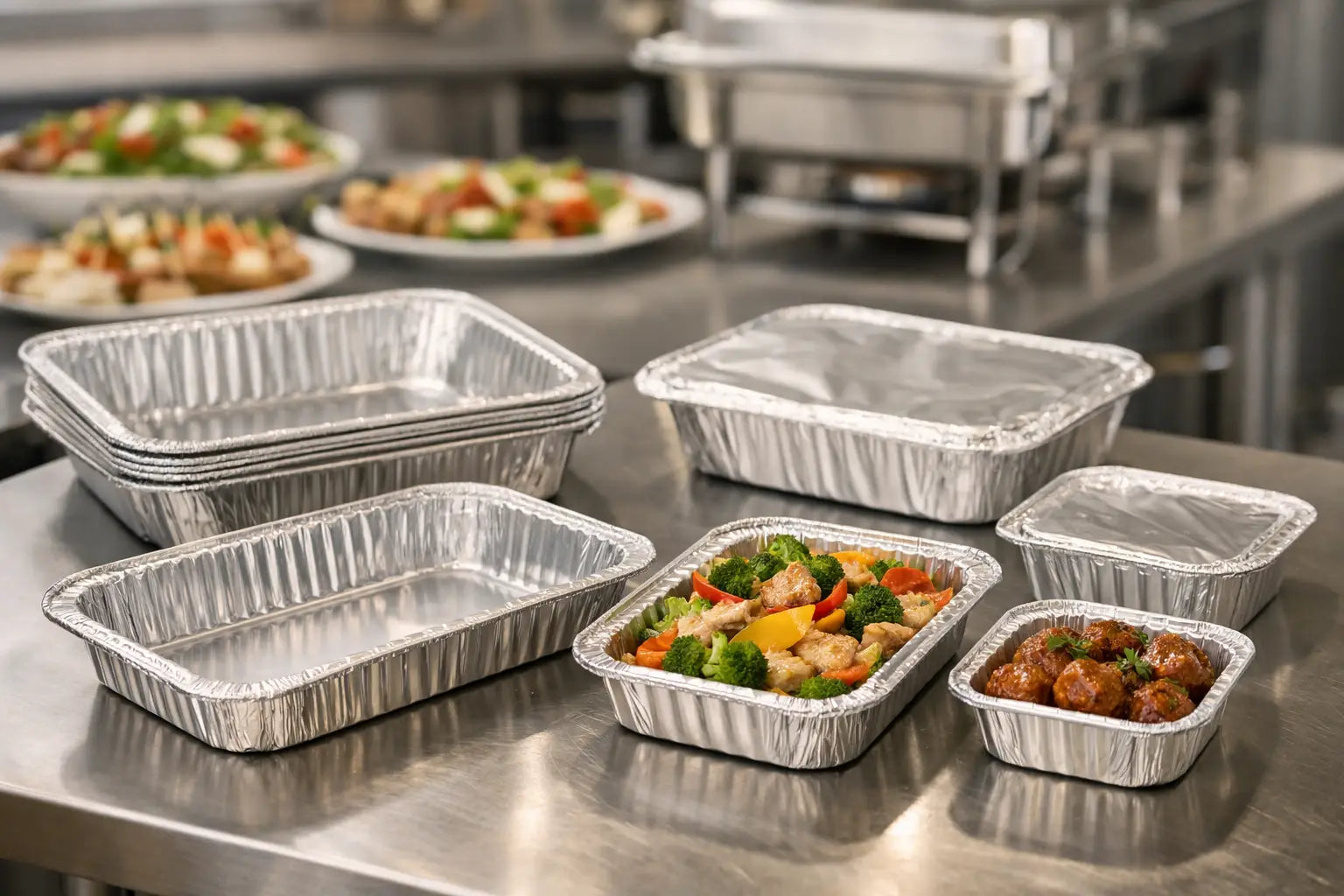
Material choice also matters, and the right answer depends on the setting. Paper products can be ideal for coffee stations, office meetings, and events where easy cleanup matters. Plastic cups work well when visibility and drink presentation matter, especially for cold beverages. Aluminum containers and trays are useful when heat retention, transport, or oven compatibility are part of the job. None of these options is automatically best. The right pick depends on temperature, holding time, transport distance, and guest expectations.
Where buyers usually overspend
A common mistake is buying premium-looking supplies for routine service where no one notices the upgrade. Another is buying the cheapest available option for high-volume use, then paying for it through leaks, breakage, or poor presentation. Smart purchasing sits in the middle. You want products that are fit for purpose, durable enough for the task, and priced well enough to support regular replenishment.
Bulk ordering usually improves value, but only when you know your usage pattern. Businesses with steady weekly demand benefit from buying cases of cups, containers, lids, straws, and bags because it reduces reorder pressure and keeps service consistent. Households hosting occasional events may do better with mixed quantities that cover one gathering without tying up storage space. It depends on volume, storage, and how often you need to restock.
There is also hidden cost in inconsistency. Switching sizes, materials, or lid styles too often creates confusion for staff and frustration for guests. Standardized supplies speed up setup, improve presentation, and make forecasting easier. That is especially valuable for offices, cafes, and caterers that need repeatable service.
The must-have categories for smoother hospitality service
Hot and cold beverage supplies are usually the first priority. Paper cups, plastic cups, lids, sleeves, stirrers, straws, and napkins form the core of most drink stations. If you serve both hot and cold drinks, keep the stations separate enough to avoid mix-ups. One wrong lid size can slow service more than most buyers expect.
Food presentation comes next. Trays, paper plates, plastic plates, compartment containers, foil containers, and serving platters should match the menu and portion size. A pastry display, a lunch buffet, and a catered snack table all need different depth, rigidity, and cover options. Presentation matters, but so does handling. If guests are standing, lighter, easier-to-carry formats usually perform better.
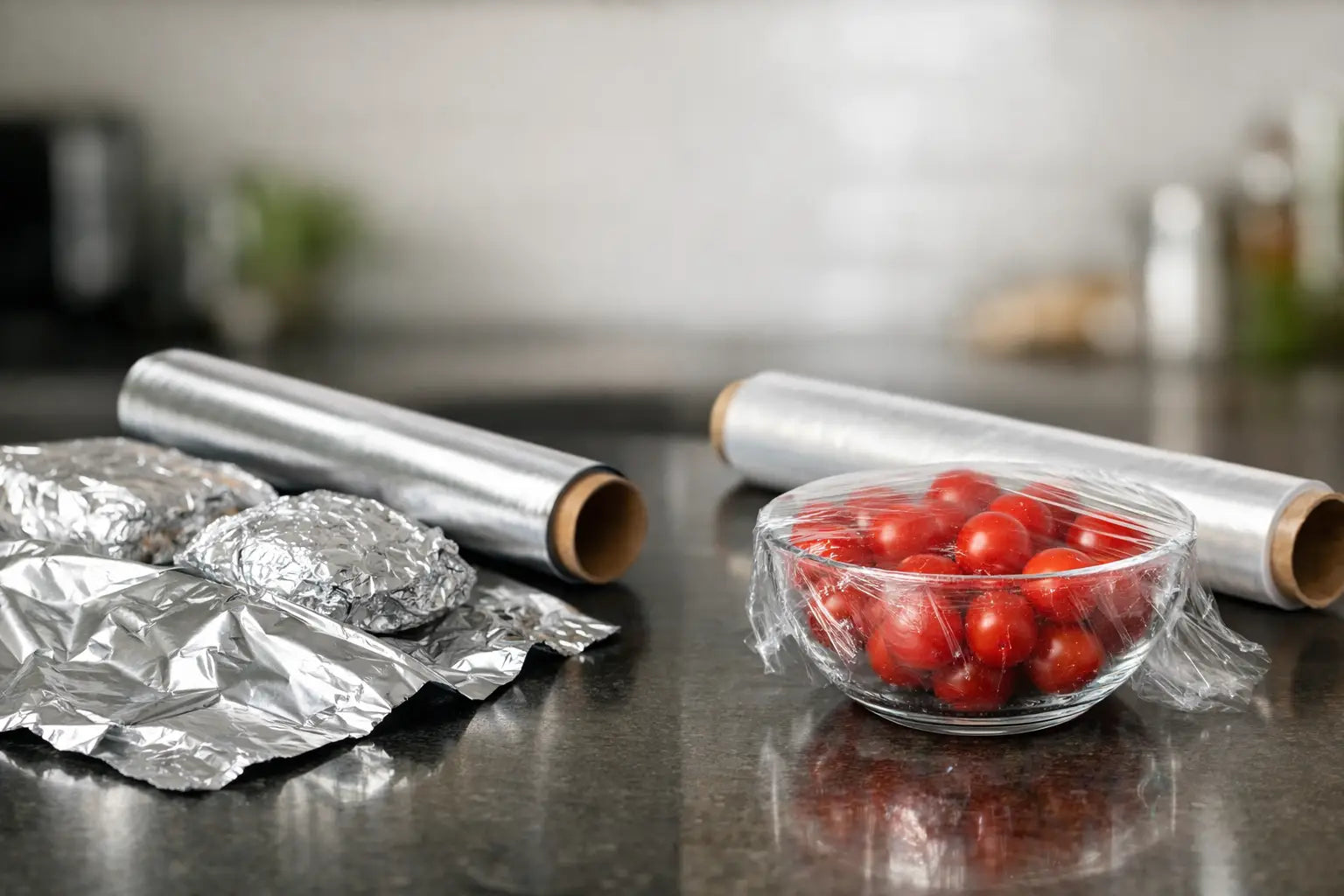
Then come the support items that often get forgotten until the last minute. Toothpicks, skewers, cutlery, takeaway bags, food wraps, and extra containers for leftovers are small details that have a big operational effect. These are the items that prevent service interruptions. When they are missing, the whole setup feels underprepared.
Matching supplies to the occasion
At home, convenience usually leads the decision. You want enough serving supplies to host comfortably without filling the kitchen sink or spending the next day sorting cleanup. Disposable cups, trays, and food containers make sense for birthdays, family visits, weekend gatherings, and holiday meals where guest count rises quickly.
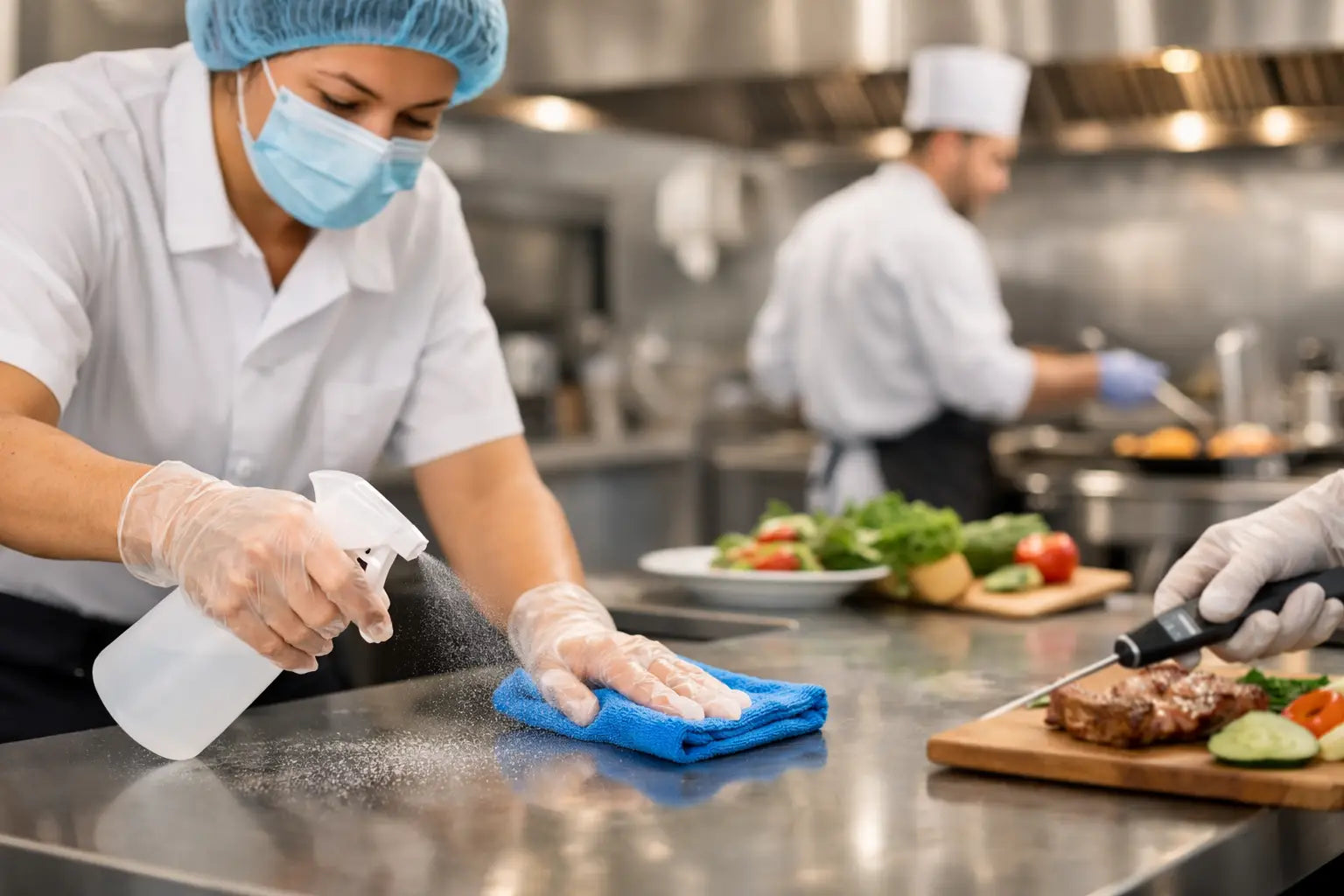
For offices, the priority is usually speed and cleanliness. Meeting rooms need dependable coffee service, easy snack presentation, and simple disposal after use. Items that stack neatly, store well, and support self-service tend to work best. The goal is to keep the break area organized and the event moving.
Restaurants, cafes, and caterers need more than appearance. They need supplies that hold up through prep, service, and transport. That often means choosing containers with secure lids, trays with enough strength for loaded portions, and cups that handle temperature reliably. In this setting, operational performance matters as much as cost.
Event organizers sit somewhere in the middle. They need supplies that look presentable, move fast, and stay within budget. For them, coordinated purchasing matters. When cups, trays, bags, containers, and accessories are sourced together, the service setup feels more controlled and easier to manage.
Why dependable stock matters more than perfect styling
A hospitality setup does not fail because a cup was plain. It fails because the right items were unavailable when needed. Reliable stock, predictable sizing, and easy reordering make a bigger difference than chasing decorative extras that add cost without improving service.
This is where a practical supplier relationship helps. Buyers want a broad enough range to cover beverage service, food packaging, table support, and cleanup in one place. They also want product consistency, reasonable pricing, and supply they can count on. White Pack fits that need well because the assortment supports both business buyers and households without making the process complicated.
If you are ordering regularly, it also helps to think one step ahead. Keep a basic par level for your core hospitality items. Reorder before you are down to emergency quantities. And when demand spikes are predictable, such as weekends, holidays, or promotional periods, build extra stock into the plan instead of reacting late.
A better way to buy hospitality serving supplies
The strongest purchasing decisions are simple. Start with what you serve. Match the item to the temperature, portion, and handling needs. Buy enough to cover volume without pushing storage too far. Standardize where possible. And treat small support items as essential, not optional.
Good hospitality is not only about food and drink. It is also about how easily people receive them. When your مستلزمات تقديم للضيافة are chosen with real use in mind, service feels cleaner, faster, and more professional from the first cup to the final cleanup.
If you want fewer service gaps and less last-minute buying, choose supplies that do their job every time and keep your setup ready before guests arrive.