Cart
0
The difference between a buffet that feels easy and one that turns messy usually comes down to supplies, not food. If you are wondering about كيفية تجهيز مستلزمات بوفيه منزلي, the smartest approach is to plan around guest flow, serving convenience, and cleanup from the start. A good home buffet does not need extra complexity. It needs the right items in the right quantities.
كيفية تجهيز مستلزمات بوفيه منزلي بطريقة عملية
When people prepare for a home buffet, they often focus on recipes first and supplies second. In practice, the supplies shape the whole experience. If plates are too small, guests return to the table more often and traffic builds up. If cups are flimsy, spills become more likely. If there are not enough trays, serving dishes, or waste bags, the buffet starts looking disorganized halfway through the event.
A more efficient setup begins with three basic questions. How many guests are coming? What type of food are you serving? Will people eat standing, seated, or a mix of both? These details affect every purchase, from plate size to the number of napkins and serving utensils you need.
For a casual gathering with finger foods, you can keep the setup lighter with small plates, cups, napkins, toothpicks, and compact trays. For a family lunch or dinner buffet, you need sturdier plates, larger serving containers, aluminum trays or foil pans for hot food, and a clearer disposal and cleanup plan. The goal is not to overbuy. It is to cover the practical needs that keep service moving.
Start with guest count, then build backward
The easiest mistake is buying based on guesswork. A buffet for 10 people and a buffet for 30 people may use the same categories of supplies, but not the same quantities or sizes. Start with a realistic headcount, then add a small buffer for last-minute guests or second servings.
As a practical rule, count at least one plate per guest for a short event and closer to two if food will be served over a longer period or if dessert is separate. Cups should also match the menu. If you are serving cold drinks, hot drinks, and water, one cup per person is usually not enough unless you want constant replacement and more cleanup.
Napkins disappear faster than most hosts expect. People take extras, use them while serving, or need more after sauces and desserts. That is why it makes sense to plan generously here. The same applies to forks, spoons, and knives if the menu includes a mix of items.
Choose buffet supplies based on the food
Not every buffet needs the same serving materials. Hot dishes, grilled foods, desserts, salads, and sauces all place different demands on containers and disposables. Matching the supply type to the food helps avoid leaks, broken plates, and awkward serving.
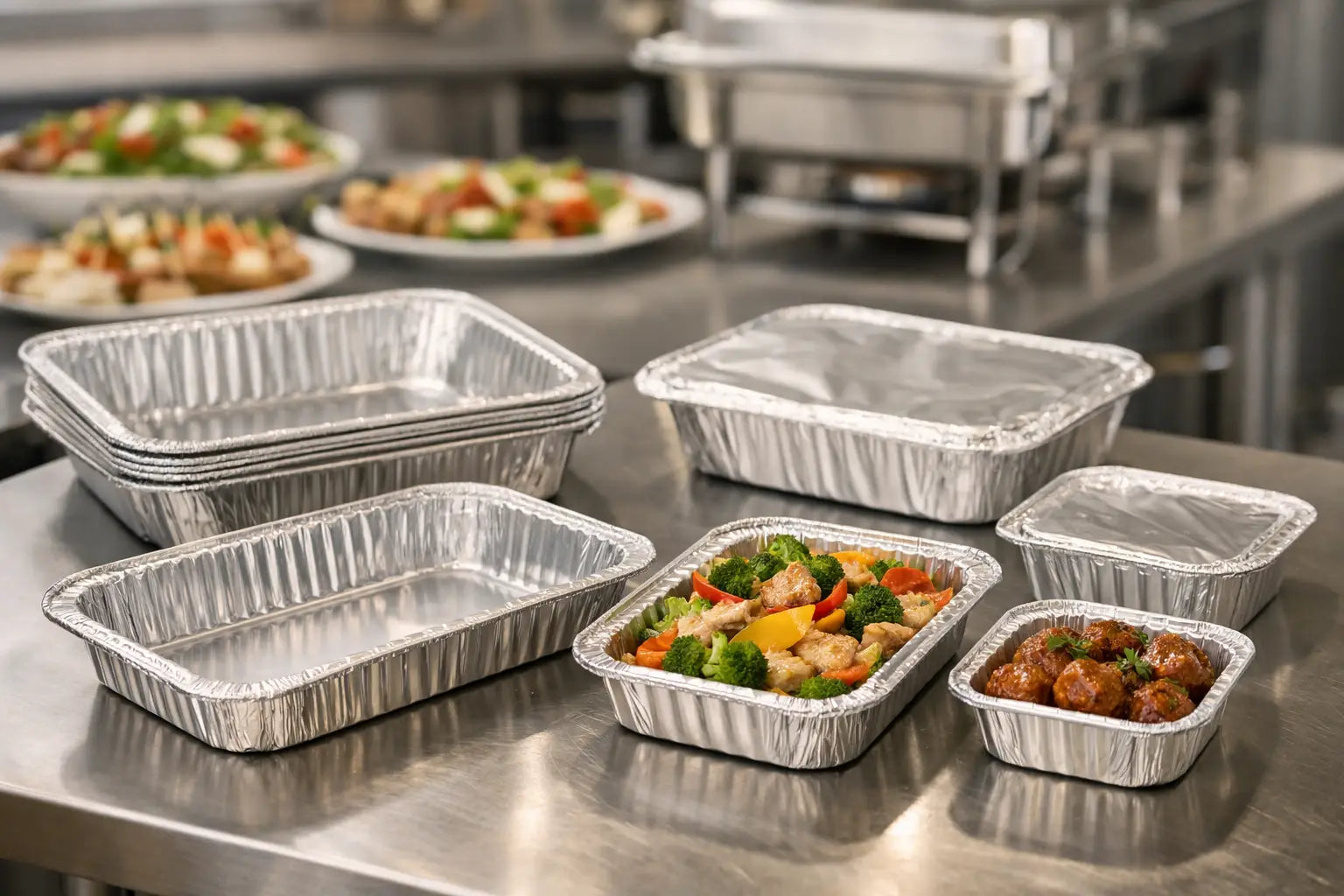
For hot or oven-prepared items, aluminum trays and foil containers are often the most practical option. They hold heat well, move easily from prep to serving, and reduce dishwashing afterward. If the menu includes foods that may release oil or sauce, sturdier containers matter even more. Thin or shallow pieces can save money upfront but create more problems during service.
For cold foods and desserts, clear plastic containers, serving trays, paper cups, and small portion containers can keep the display neat and easier to manage. If guests are serving themselves from dips, salads, or sides, add enough spoons, tongs, or forks for each item. Sharing one utensil between dishes usually leads to mess and mixed flavors.
This is one of those areas where the right balance matters. You do not need professional catering equipment for a home event, but you do need dependable items that can handle the food being served.
The core buffet checklist that actually matters
A home buffet usually runs smoothly when six supply groups are covered: serving containers, guest tableware, drink supplies, food handling items, cleanup materials, and backup stock. Missing even one of these can create friction during the event.
Serving containers include trays, foil pans, bowls, lidded containers, and portion cups. Guest tableware includes plates, cups, cutlery, straws, napkins, and toothpicks when needed. Drink supplies may also include extra cups for kids, coffee cups, or ice containers depending on the occasion.
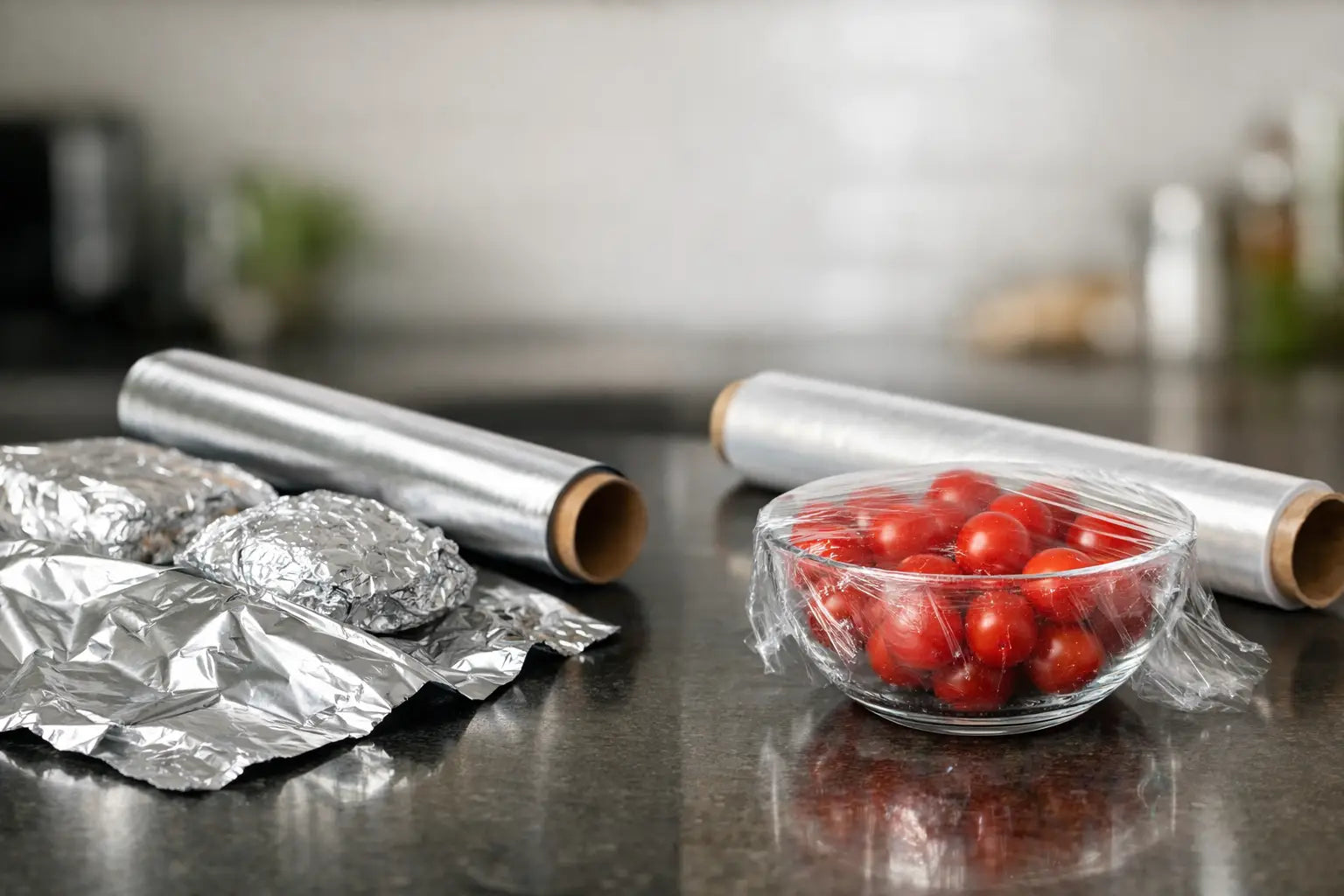
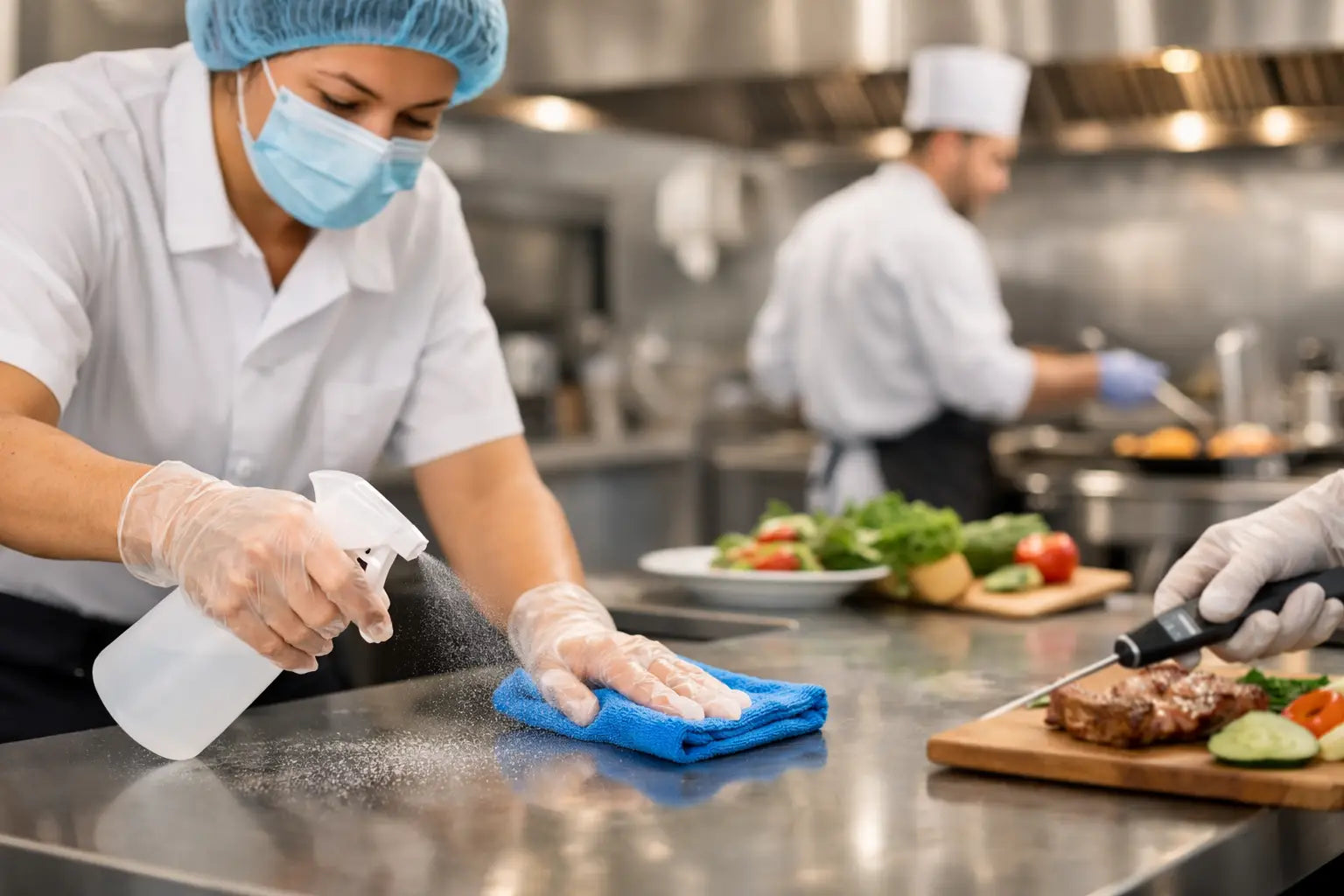
Food handling items are easy to overlook. These include serving spoons, tongs, gloves for prep, foil for covering dishes, and bags or containers for leftovers. Cleanup materials are just as important as the buffet itself. Trash bags, paper towels, wipes, and basic cleaning products help you keep the area presentable while guests are still eating.
Backup stock is what saves the evening. A small reserve of cups, plates, cutlery, and napkins prevents minor shortages from becoming a hosting problem.
How to set up the buffet table for easier flow
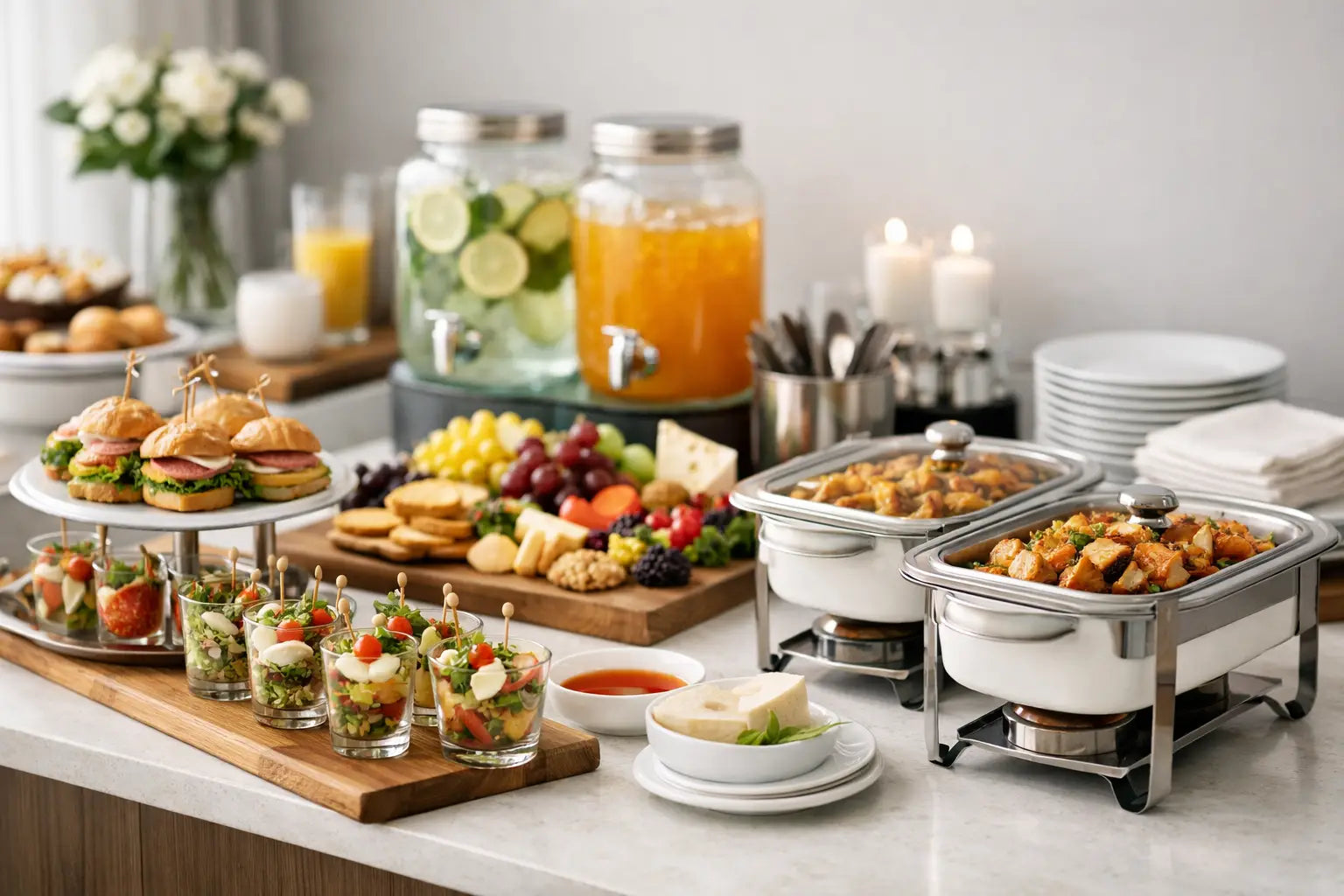
The setup should help guests move naturally from one item to the next. Start with plates at the beginning of the table, followed by main dishes, sides, condiments, and then napkins and cutlery either at the start or end, depending on space. Drinks usually work better on a separate station if possible. That keeps traffic from building in one place.
If your table is short, do not overload it with every item at once. Use tiered trays, separate side surfaces, or refill from reserve stock as needed. A crowded buffet table can feel smaller than it is. Spacing dishes properly gives guests room to serve themselves without bumping into each other.
Labels can also help more than people expect, especially if you are serving sauces, spicy items, or similar-looking dishes. At home, the goal is not formality. It is clarity. The easier the table is to read, the faster guests move through it.
Budgeting without cutting corners
A practical home buffet does not need premium everything, but it should not rely on the cheapest option across the board either. Plates, cups, trays, and food containers should be chosen by performance, not just price. If a plate bends under a full serving or a cup leaks at the rim, the low price stops looking like a savings.
The better approach is to spend where failure would be most visible. That usually means food containers for hot dishes, sturdy cups, and reliable plates. On the other hand, items like straws, toothpicks, and standard napkins can often be bought more economically without affecting the guest experience much.
For larger households or frequent hosts, buying practical essentials in larger quantities can make sense. It reduces last-minute shopping and gives you a ready stock for birthdays, family visits, and informal gatherings. This is where a dependable supply source matters, because consistency saves time just as much as price does.
Common mistakes when تجهيز مستلزمات بوفيه منزلي
One common mistake is planning only for serving and forgetting storage. Before the event starts, ask yourself where extra trays, backup cutlery, unopened cups, and refill supplies will sit. If these items are scattered around the kitchen, restocking becomes slower and more stressful.
Another mistake is using too many different container types. A buffet looks cleaner and works better when trays, cups, and serving pieces are reasonably consistent in size and purpose. Too much variety can make the table feel cluttered and can complicate stacking, serving, and disposal.
Hosts also tend to underestimate cleanup timing. Trash should be accessible but not intrusive. If bins are too far away, disposable items pile up on the table. If they are too visible near the food, the setup feels less inviting. It depends on the room, but nearby and discreet is usually the right balance.
Finally, many people skip the backup plan for leftovers. A few microwave-safe containers, foil sheets, or takeaway bags can be surprisingly useful at the end of the event, whether you are storing extra food for the next day or sending portions home with guests.
A smarter way to shop for buffet essentials
The easiest way to prepare is to think in systems instead of single items. Do not shop only for plates or only for cups. Shop for the full use case: serving, eating, drinking, and cleanup. That approach reduces forgotten items and gives you a more realistic view of quantity.
For households that host more than once a year, keeping a small stock of buffet-ready essentials is often more efficient than rebuilding the list every time. Aluminum trays, paper cups, plastic cups, serving containers, straws, napkins, trash bags, and foil are the kinds of supplies that stay useful beyond one event. Buying from a practical source such as White Pack can help simplify that process because the categories are already aligned with real serving and cleanup needs.
A home buffet feels generous when it runs without interruption. Guests should be thinking about the food and the company, not whether there are enough cups left or where to throw away a used plate. Get the basics right, keep a little extra on hand, and the whole setup works harder for you than you do for it.