Cart
0
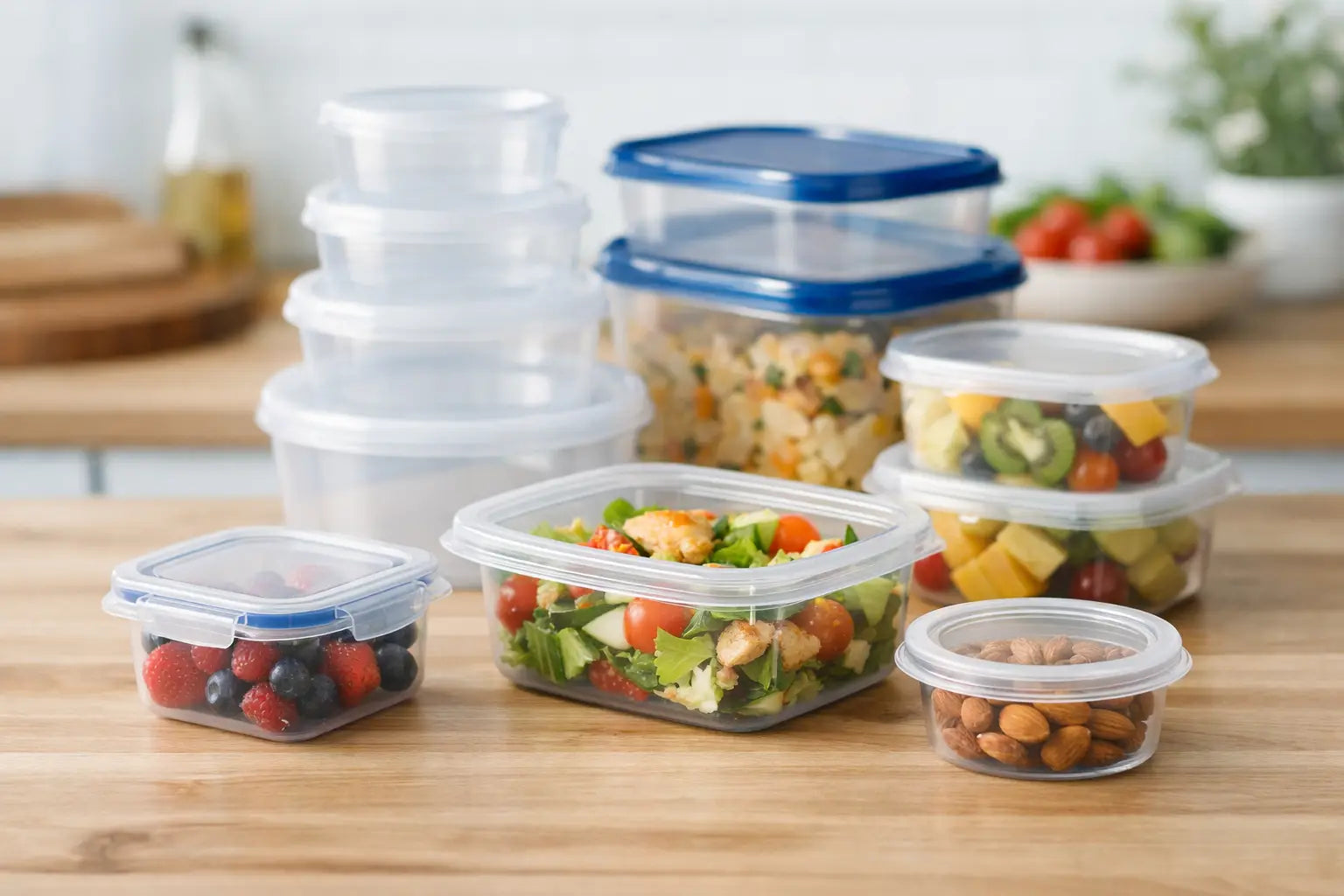
A container that is too small causes spills, squashed food, and frustrated customers. One that is too large wastes money, takes up shelf space, and can make portions look inconsistent. That is why a practical food container sizes guide matters whether you are buying for a restaurant, catering setup, office pantry, or home kitchen.
The right size does more than hold food. It affects portion control, presentation, transport, storage efficiency, and reorder costs. If you are ordering in bulk, even a small sizing mistake gets expensive fast. A better fit helps you serve smarter, store more efficiently, and keep daily operations moving.
How to use this food container sizes guide
Start with the food itself, not the container catalog. A soup, rice dish, salad, sauce, dessert, and family-size leftover tray all need different depth, width, and lid performance. Capacity is the first filter, but shape and use case matter just as much.
Think in terms of what the container has to do. Does it need to hold a single serving, stack neatly in a cooler, survive delivery, go in the microwave, or separate wet and dry ingredients? The best choice is usually the one that matches portion size without leaving too much empty space.
For most buyers, container sizes fall into a few practical ranges. Small containers are best for sauces, dips, dressings, toppings, and sides. Mid-size containers suit individual meals, deli items, cut fruit, and leftovers. Large containers work for family portions, catering prep, bulk ingredients, or party trays. This sounds simple, but the right range depends on density and shape. Eight ounces of soup behaves differently from eight ounces of salad.
Common food container sizes and what they fit
Small capacities usually begin around 2 to 4 ounces. These are useful for condiments, samples, chutneys, salsa, or portioned extras. They help control food cost because they make serving sizes repeatable. For restaurants and takeout counters, this size is often a basic operational item rather than an occasional add-on.
The 6 to 8 ounce range is a dependable middle ground for side dishes, desserts, fruit cups, dips, and small snack portions. It is also a practical size for businesses that want to offer add-ons without using oversized packaging. At home, these containers are useful for meal prep ingredients such as chopped onions, nuts, or sauces.
The 12 to 16 ounce size is one of the most versatile categories. It works well for soups, pasta sides, rice bowls, noodles, cut vegetables, and single-serve leftovers. If you only stock a limited number of sizes, this range often earns its place because it covers both retail food service and home storage needs with less guesswork.
The 24 to 32 ounce range is where full meal portions and larger deli servings become more practical. These sizes are commonly used for salads, entrees, family leftovers, and batch-prepped ingredients. They are especially useful when food needs room to sit properly rather than being compressed into a smaller footprint.
Larger formats above 32 ounces are usually best for catering, shared meals, bakery items, or bulk ingredient storage. They can also make sense for households that cook in larger batches. The trade-off is that bigger containers require more shelf space and can become inefficient if your portions vary widely.
Size is not just ounces
Ounce capacity helps narrow your options, but it does not tell the whole story. A shallow wide container and a deep narrow container may hold the same volume but perform very differently. Wide containers are often better for foods that should not be stacked or crushed, such as salads, grilled items, pastries, or plated meal components. Deep containers suit soups, stews, curries, sauces, and foods with more liquid.
This is where many buyers run into trouble. They choose by volume alone, then realize the food either shifts too much during transport or loses presentation once packed. If appearance matters, especially for takeout and events, shape deserves equal attention.
Lid fit also changes the real-world usefulness of a size. A properly fitted lid helps prevent leaks, supports stacking, and protects freshness. If your containers are going from kitchen to car to customer, secure closure is part of sizing, not an afterthought.
Choosing sizes for meal prep and leftovers
For meal prep, consistency matters more than variety. Too many container sizes can make storage messy and reordering inefficient. If you are buying for a home kitchen, office setup, or small food operation, it often makes sense to standardize around two or three useful capacities instead of trying to cover every possible portion.
A smaller size for sauces and snacks, a medium size for single meals, and a larger size for batch items will handle most routine needs. This reduces clutter and makes lids easier to match. It also helps with shelf organization and count planning.
Leftovers need a slightly different approach. Dense foods like cooked pasta, rice, casseroles, and roasted vegetables fit well in compact containers. Foods with delicate texture or toppings usually need a wider format so they keep their shape. If you store and reheat often, microwave-safe materials become part of the decision.
Food container sizes guide for takeout and delivery
Takeout adds pressure. A container has to preserve heat, protect the food, and arrive in good condition. In this setting, choosing the right size is partly about reducing movement inside the package. Too much empty room can lead to spills, soggy presentation, or mixed components that should stay separate.
For soups and saucy dishes, a snug fit with a secure lid is usually best. For fried foods or salads, a little extra breathing room can help maintain texture. That is why there is no one-size-fits-all answer. The best container size depends on whether the food needs containment, ventilation, or structure.
For businesses, portion consistency also matters at the register. Standardized sizes make pricing more predictable, simplify staff training, and improve customer expectations. If every bowl, side, or sauce cup uses a defined container size, service gets faster and waste becomes easier to monitor.
Buying in bulk without overbuying
Bulk ordering saves time and helps control unit cost, but only if the sizes match your actual usage. A common mistake is buying large quantities of containers based on occasional needs instead of weekly volume. That creates dead stock, ties up storage space, and complicates inventory.
A better approach is to review your most frequent packing jobs first. What are you serving or storing every day? Which sizes move fastest? Which ones create the fewest substitutions? Once you know that, make your core sizes the priority and use specialty sizes only where they solve a real need.
This is especially relevant for restaurants, caterers, offices, and event organizers who want reliable stock on hand without constant reordering. White Pack serves this kind of buyer well because practical supply decisions depend on having dependable options across multiple everyday categories, not just one item at a time.
Matching container size to event service
Events can be tricky because portions vary by format. A plated lunch, buffet line, dessert station, and beverage table all create different container needs. Smaller containers suit tastings, condiments, and controlled portions. Mid-size containers work for boxed meals, desserts, and side dishes. Larger formats help with shared service, prep, or back-of-house staging.
If presentation matters, avoid containers that leave food looking lost. If speed matters, avoid sizes so tight that packing becomes slow or messy. Event service usually rewards a balance between appearance and efficiency.
It also helps to think beyond the food itself. Will guests carry the container while standing? Will items be stacked for transport? Will staff need to pack quickly during a short service window? Those questions often narrow the best size faster than volume alone.
A simple way to make the right choice
If you are unsure, test with your top three foods instead of guessing from product dimensions. Pack a normal portion, close the lid, stack it, and picture how it will be stored or transported. This quick check usually reveals whether the size is right, slightly tight, or unnecessarily large.
The best food container sizes guide is not the one with the most measurements. It is the one that helps you buy with less waste, better consistency, and fewer daily workarounds. Choose sizes around real portions, real storage limits, and real service needs, and the right fit becomes much easier to maintain.
A good container should make the job easier the moment food goes in it.