Cart
0
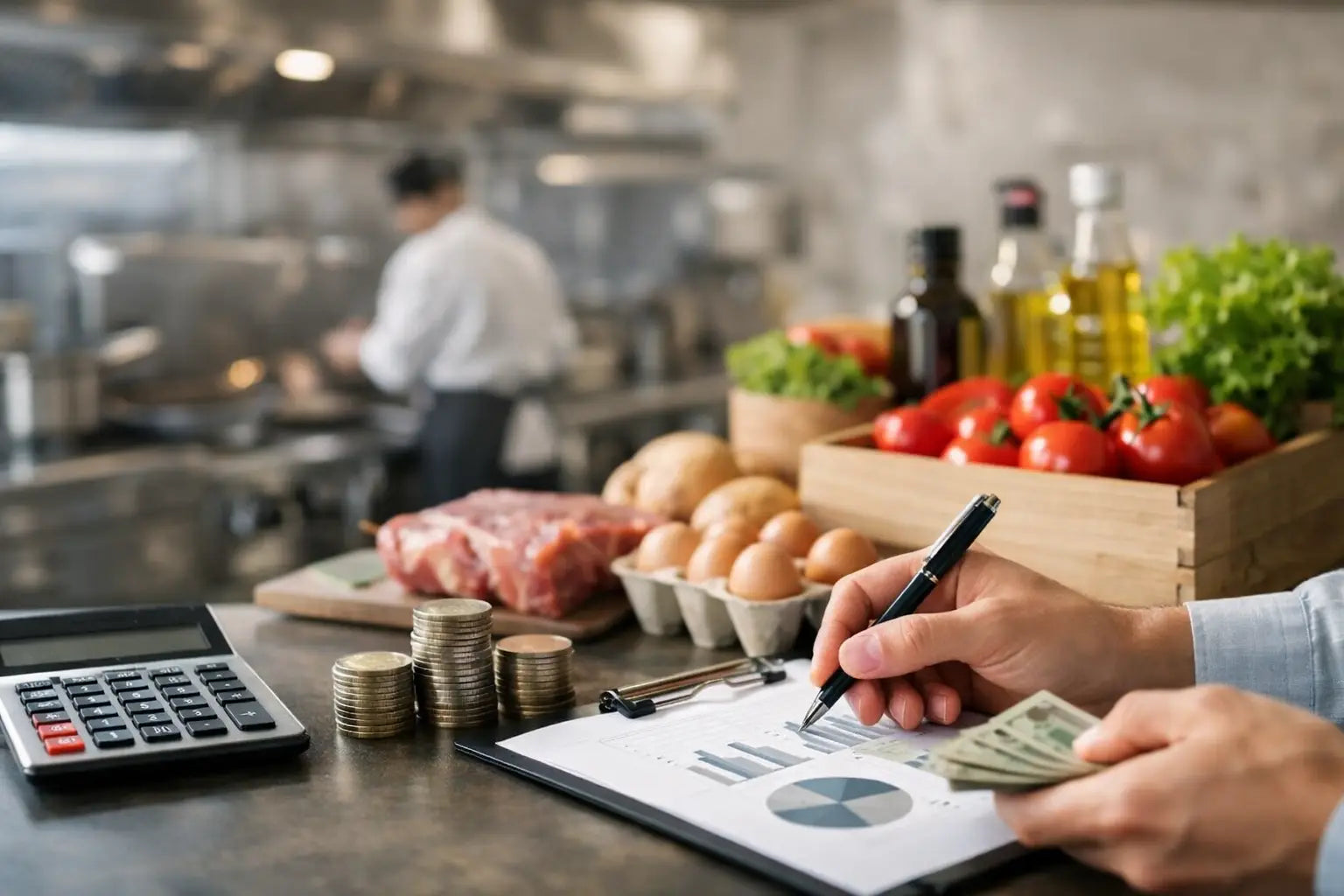
A busy service can hide a supply problem for weeks. Cups disappear faster than expected, takeout containers get overused, cleaning products run short, and suddenly your monthly spend is higher than your food cost team projected. If you are asking about كيفية تقليل تكلفة مستلزمات المطاعم, the answer usually is not one big cut. It is a set of practical purchasing decisions that lower waste, improve consistency, and protect daily operations.
For most restaurants, supply costs rise for predictable reasons. Teams overorder the wrong items, reorder too late, buy from too many vendors, or choose packaging based only on unit price instead of actual use. The good news is that these problems are fixable. A tighter buying process can reduce waste without hurting service speed, food quality, or customer experience.
كيفية تقليل تكلفة مستلزمات المطاعم بدون التأثير على التشغيل
The first step is to separate essential supplies from habitual purchases. Many operators keep buying the same SKUs because that is what they have always done. But menus change, order volume shifts, and customer behavior evolves. A container size that made sense six months ago may now be oversized for your portions. A premium napkin may be adding cost without adding value in a fast-casual setting.
Start with a simple review of what moves every week. Look at paper cups, plastic cups, microwave containers, takeaway bags, foil, cutlery, straws, lids, trays, and cleaning materials. Then ask a basic question for each item: does this product match current service needs, or are we paying for extra capacity, extra material, or extra features we do not use?
This matters because supply savings are often hidden in specification, not just price. A slightly lighter cup, a better-fitting lid, or a more suitable bag size can change total spending across hundreds or thousands of orders.
Audit usage before you negotiate price
Many buyers try to cut cost by asking for discounts first. That can help, but it usually leaves money on the table if internal usage is uncontrolled. Before negotiating with any supplier, measure how your team actually uses supplies.
Track average weekly use by item category for at least four weeks. Compare what was purchased against actual order volume. If your takeout container purchases rose by 18 percent while takeout orders only rose by 6 percent, that gap points to waste, double-packing, damage, or poor storage. If cleaning supplies vary sharply from week to week, the issue may be overdispensing rather than actual demand.
This kind of audit gives you leverage. It tells you which items deserve bulk pricing, which ones need tighter controls, and which ones should be replaced. It also helps prevent a common mistake: buying more inventory than your storage space can handle. Bulk pricing only works when products stay clean, organized, and usable.
Focus on your top spend categories
Not every item deserves the same level of attention. For most restaurants, the biggest opportunities are in packaging, beverage service items, disposable dining products, and sanitation supplies. If you try to optimize every low-cost item at once, the process gets slow and the savings become harder to capture.
A better approach is to review the categories that combine high volume with frequent reorder cycles. Containers, cups, lids, bags, foil, and cleaning products often create the fastest return because they affect both front-of-house and back-of-house operations.
Standardize where you can
Standardization is one of the fastest ways to control supply costs. When too many similar items are in circulation, purchasing gets messy, storage gets crowded, and staff make inconsistent choices during service.
For example, if your operation uses five different cup sizes but only three are truly necessary, reducing that range can simplify ordering and improve volume pricing. The same applies to containers, lids, and bags. Fewer variations usually mean fewer mistakes, less dead stock, and easier training.
There is a trade-off here. Some restaurants need broader packaging options because of menu variety or branding goals. But even then, there is usually room to remove duplicates. The goal is not to strip the operation down too far. It is to make sure every SKU has a clear purpose.
Match packaging to real menu needs
Overspec packaging is expensive. A heavy-duty container used for a light cold item, or an oversized bag used for a single meal, adds cost to every transaction. It may feel minor, but over a month it becomes real margin loss.
Review packaging item by item against portion size, temperature, transport time, and leakage risk. Hot foods may require stronger materials. Saucy dishes may need better seals. But dry items, bakery goods, or short-distance orders may not need the same packaging level. When product choice is based on actual use instead of guesswork, cost usually comes down without customer complaints.
Buy in bulk, but only with discipline
Bulk buying is effective when demand is consistent and storage is managed well. It is less effective when products get damaged, take up too much room, or expire before use. The right question is not whether bulk purchasing saves money. It is whether your operation can support it.
If you have stable demand for high-turn items like cups, lids, foil, takeaway bags, or cleaning chemicals, larger orders often reduce unit cost and reorder frequency. That lowers both spend and administrative effort. It also helps avoid emergency purchases, which are usually more expensive and less selective.
But bulk buying should be tied to reorder points, shelf organization, and usage forecasting. If cases are stacked badly, crushed, or exposed to moisture, your savings disappear. Efficient purchasing depends on efficient storage.
Reduce supplier fragmentation
Buying from multiple vendors can seem smart because it gives flexibility. In practice, it often creates inconsistent pricing, extra shipping costs, and more time spent managing orders. When purchasing is spread across too many sources, visibility drops. That makes it harder to spot overbuying or negotiate better terms.
Consolidating supply categories with a dependable source can improve control. It simplifies invoice tracking, makes reordering faster, and can create stronger volume-based pricing over time. For restaurants ordering disposables, packaging, and cleaning essentials regularly, a one-stop supply partner often reduces friction as much as it reduces cost.
This is where convenience has real financial value. If your team spends less time chasing stock, comparing small orders, or correcting delivery gaps, operations stay tighter. White Pack is built around that kind of practical sourcing - broad assortment, reliable quality, and business-friendly ordering that helps buyers keep everyday essentials under control.
Train staff to protect supply margins
A purchasing strategy only works if the team follows it. Many supply costs rise on the floor, not in the office. Double-cupping, using the wrong lid, handing out extra disposables automatically, or overusing cleaning chemicals can quietly raise monthly spend.
Training should be specific and simple. Show staff which items belong with each menu item, when double-packing is necessary, and how to use sanitation products at the right dilution or amount. Do not frame this only as cost cutting. Frame it as consistency. When the team uses supplies correctly, service gets smoother and waste drops.
It also helps to assign responsibility. If no one owns supply control, small losses accumulate unnoticed. A shift lead or operations manager should review key items weekly and flag unusual changes quickly.
Use demand patterns to order smarter
Restaurants rarely need the same supply levels every week. Weather, promotions, holidays, catering jobs, school schedules, and delivery spikes all change demand. Ordering the same quantities every time is convenient, but it is not efficient.
Look for patterns in your sales data and match supply orders to those patterns. If cold drink sales jump in warmer months, adjust cup and lid levels before the rush. If catering trays move heavily during event season, build stock in advance instead of relying on last-minute purchases. If dine-in slows and takeout rises, shift spend toward containers and bags rather than table service disposables.
The key is to make supply planning reflect real business activity. That sounds obvious, but many operations still buy by routine instead of demand.
Do not chase the cheapest item blindly
Low unit price can be misleading. A cheaper container that leaks, a thin bag that tears, or a cup lid that fits poorly may create complaints, remakes, and wasted food. That is not savings. It is delayed cost.
A better standard is total value. Ask whether the product performs consistently, protects the order, stores well, and reduces rework. Sometimes the lower-cost option is the right one. Sometimes paying slightly more reduces total waste and improves service reliability. It depends on the item, the menu, and how the product is used during peak hours.
That is why smart operators test changes before making a full switch. Trial a new packaging size, compare breakage or complaint rates, and then decide. Cost control works best when it is measured, not guessed.
Build a simple supply control routine
Restaurants do not need complicated procurement systems to improve margins. They need a repeatable routine. Review top supply categories weekly. Compare purchasing against sales volume monthly. Remove duplicate SKUs quarterly. Recheck packaging fit whenever the menu changes. Revisit vendor pricing on a schedule instead of waiting for costs to creep up.
Small improvements compound. One better bag size, one standardized cup program, one cleaner reorder process, and one reduced vendor list can make a meaningful difference over a year. More importantly, these changes support service instead of disrupting it.
The most useful way to think about supply cost is this: every item should earn its place in your operation. If it protects the product, supports speed, and matches real demand, keep it. If it adds cost without adding value, replace it. That is how lower supply spend turns into stronger margins you can actually keep.