Cart
0
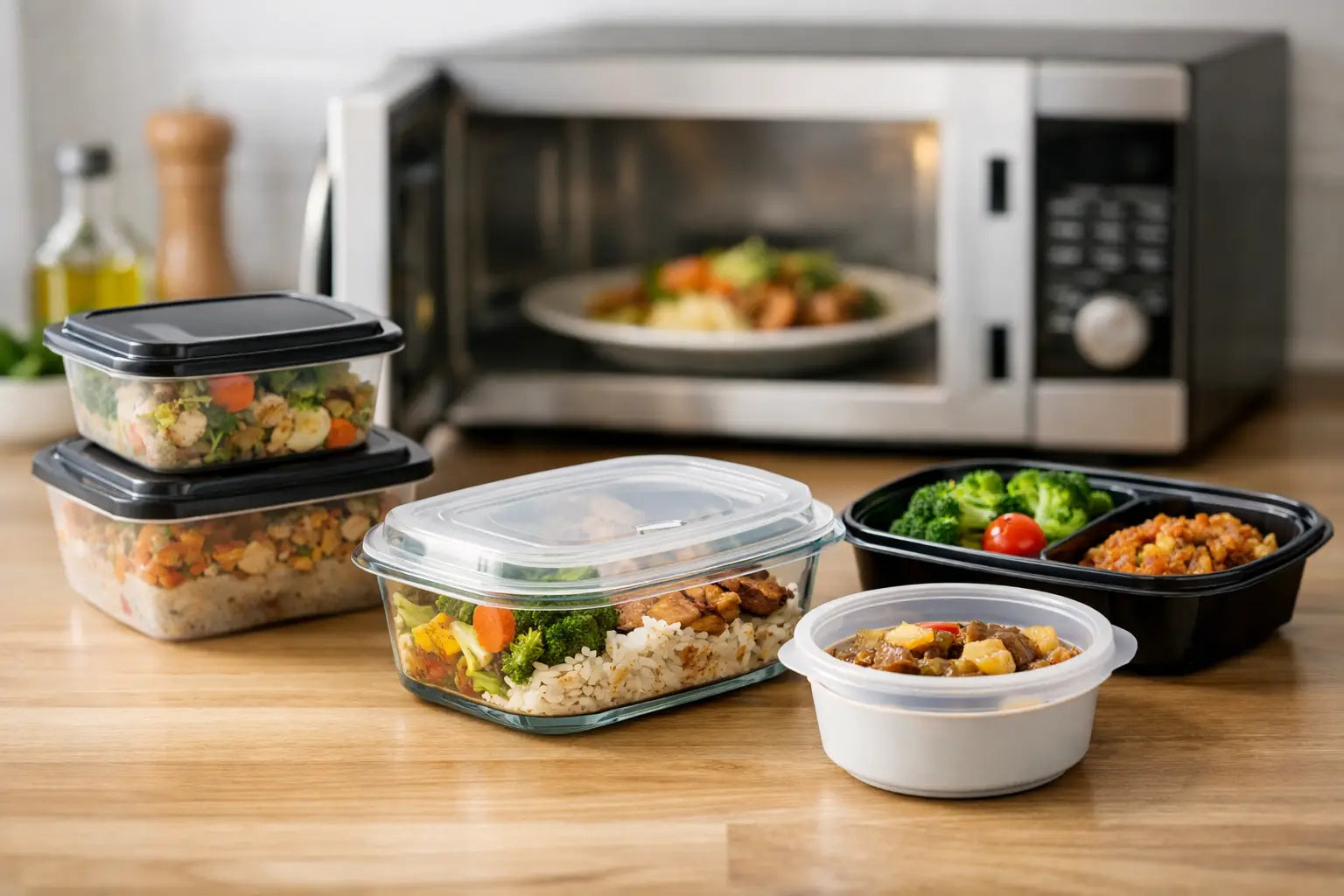
A container that warps after one lunch rush or leaks in a delivery bag is not a small problem. It means wasted food, messy transport, unhappy customers, and repeat purchases that do not feel like value. This microwave food containers review is built for buyers who need containers to perform in real use, whether that means daily meal prep at home, office lunches, catering prep, or steady takeout service.
What a good microwave container actually needs to do
The label matters, but performance matters more. A microwave-safe container should handle heat without softening too quickly, releasing odors, or losing its shape when filled with hot food. For business use, it also needs to stack well, close securely, and hold up during transport. For home use, the priority is usually simple - reheat food safely, avoid splatter, and make cleanup easy.
This is where buyers sometimes get tripped up. Not every food container is designed for microwave reheating, and not every microwave-safe option is equally practical. Some are fine for short reheats but struggle with oily foods or high temperatures. Others work well in the microwave but are less reliable for storage because the lid fit is weak or the container stains easily after repeated use.
Microwave food containers review by material
Material is the first thing to check because it affects heat resistance, durability, and cost.
Plastic microwave containers
Plastic remains the most common option because it is lightweight, affordable, and easy to stock in quantity. For restaurants, delis, and meal-prep businesses, that matters. A good plastic microwave container can move from cold storage to reheating with minimal fuss, and it is often the most efficient option for portioned meals.
The trade-off is that plastic quality varies a lot. Better containers keep their shape and resist cracking around the corners. Lower-grade options may flex too much when hot, especially with soups, sauces, or high-fat foods. If your use case involves repeated reheating or transport, a slightly heavier container usually pays off because it reduces leaks and product loss.
For households, plastic microwave containers are practical for leftovers and packed lunches. Still, if you reheat tomato-based sauces or heavily spiced foods often, staining and odor retention can become an issue over time.
Paper-based and fiber containers
These appeal to buyers who want a lighter environmental footprint or a more natural presentation. Some work well for short microwave sessions, especially for moderately hot foods, but they are not always the best fit for high-moisture meals or longer reheats.
The key limitation is structural strength. Once moisture and heat build up together, some paper-based containers begin to soften. That may be acceptable for light use, but in food service, consistency matters. If the container feels unreliable after heating, it creates friction for both staff and customers.
Aluminum containers
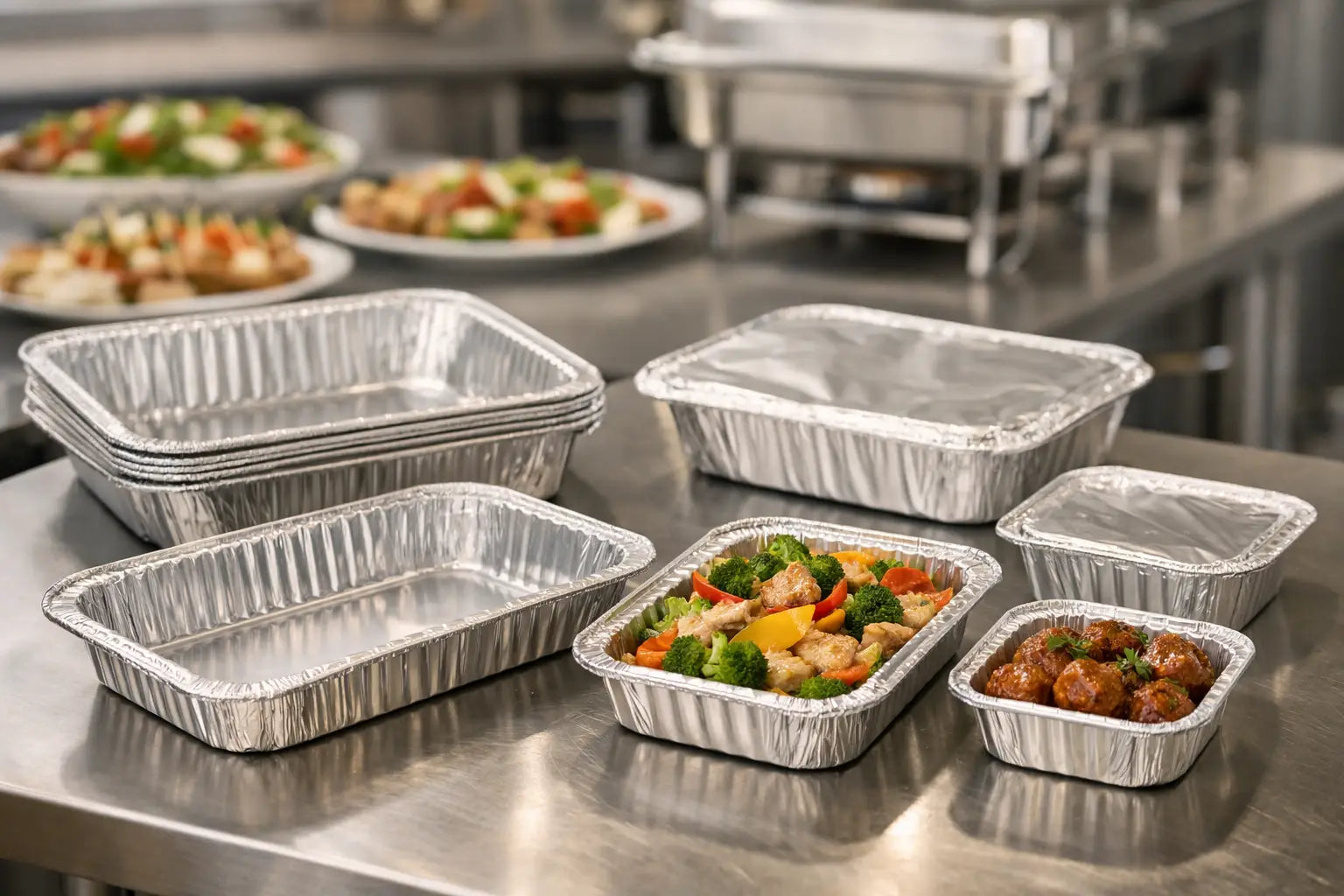
Aluminum is excellent for many food-service tasks, but it is generally not the right choice for standard microwave use unless you are working with a microwave specifically designed to handle it. For most buyers, aluminum belongs in oven and storage conversations, not in a microwave food containers review focused on everyday reheating.
That distinction matters because buyers often want one container for every step. In practice, it depends on the equipment and the menu. If microwave reheating is essential, choose a container designed specifically for that purpose rather than trying to make one format do everything.
Lid fit is just as important as the container
A strong container with a weak lid is still a weak package. In everyday use, lid performance affects transport, freshness, spill control, and microwave convenience.
Snap-on lids are common because they are fast and familiar. The best ones close with a clear, secure fit around all edges. If the lid feels loose before heating, it will usually perform worse after heating. Warping at the rim is a common reason for leaks, especially when containers are stacked or moved while warm.
Vented lids can be useful for microwave reheating because they help release steam and reduce pressure buildup. That makes reheating cleaner and more consistent. For takeout operations, though, a vented lid may not be ideal for every menu item. Crisp foods, saucy foods, and foods traveling longer distances all behave differently. There is no perfect universal lid. The right choice depends on whether your priority is transport, storage, or reheating.
Size and shape affect more than portion control
Many buyers choose based on ounce size alone, but shape changes how the container performs. Wide, shallow containers usually reheat food more evenly because heat spreads across the food instead of concentrating in the center. They also stack neatly in refrigerators and delivery prep areas.
Deep containers make sense for soups, stews, pasta, and larger single portions. The downside is reheating can be less even, and foods may need stirring halfway through. If customers or staff are likely to microwave food quickly and move on, a shape that supports even heating can reduce complaints.
Compartment containers are useful for combo meals and plated meal prep, but they are more specialized. They help with separation and presentation, yet not every compartment handles moisture and steam equally well. If one section holds a sauce-heavy item, the overall lid seal becomes more important.
What matters most for business buyers
For restaurants, caterers, offices, and event operators, price per unit matters, but so does reliability under pressure. A container that looks economical on paper may become expensive if it causes leaks, wasted food, or customer dissatisfaction.
The best microwave containers for commercial use tend to strike a simple balance. They are durable enough for hot food, lightweight enough for efficient storage and handling, and consistent enough that staff do not need to second-guess them during service. Bulk buyers should also think about space efficiency. Cases that stack neatly and containers that nest well can make a noticeable difference in prep areas and stock rooms.
Another practical factor is menu fit. A container that works well for rice bowls may not be right for oily grilled items or soups. A smart purchasing decision starts with the foods you serve most often, not the broadest product claim on the label.
What matters most for household use
Home buyers usually want fewer complications. They want a container that can store leftovers, survive microwave reheating, and clean up without much effort. In that setting, ease of use becomes the real test.
A reliable household microwave container should open and close easily, fit standard leftovers, and resist minor wear from repeat use. If it tips easily in the microwave or comes out too soft to carry safely, it becomes more frustrating than helpful. For busy homes, practical details like stackability and fridge organization matter almost as much as microwave performance.
If you use containers mostly for lunches, choose moderate sizes with secure lids. If you use them for batch cooking, a consistent set with matching lids will save time and cabinet space. Convenience is not only about reheating. It is also about reducing small daily hassles.
Common mistakes buyers make
One common mistake is assuming all microwave-safe labels mean the same level of performance. They do not. Some containers are suitable for light reheating only, while others are built for repeated daily use.
Another mistake is ignoring the food itself. Greasy foods, sugary sauces, and long heating times put more stress on containers than plain rice or vegetables. If your menu includes richer foods, you need a container with better heat resistance and a lid that stays stable when steam builds.
Buyers also sometimes focus on the base and forget the full system. Container, lid, stacking strength, and transport reliability all work together. A solid buying decision looks at the entire use cycle from filling to reheating.
So which type is best?
If you need an all-around answer, quality plastic microwave containers remain the most practical choice for most commercial and household needs. They offer the strongest mix of affordability, availability, and day-to-day convenience. That said, not all plastic containers deliver the same results, and the cheapest option is often not the most efficient over time.
For light home use, simple microwave-safe containers can do the job well if lid fit and stain resistance are acceptable. For heavier business use, especially meal prep and takeout, durability and seal strength should come before chasing the lowest unit price. A dependable supply partner like White Pack makes that decision easier because buyers can source the right sizes and formats without overcomplicating the process.
The right container is the one that matches how you actually use it. If it handles heat well, closes securely, and fits your food without waste, it is doing exactly what it should - keeping service smooth and everyday routines easier.