Cart
0
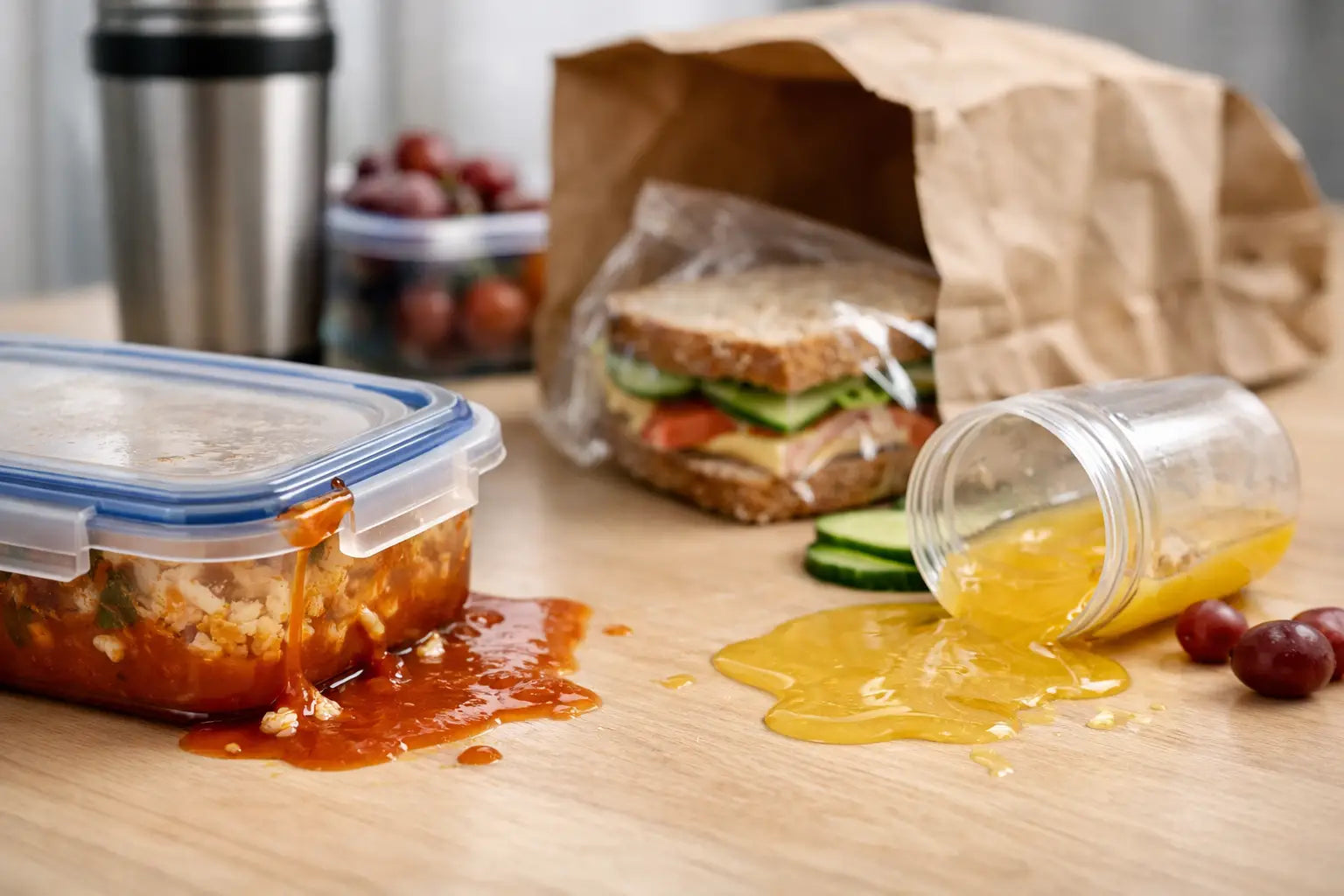
A leaking container can turn a good order into a refund, a clean fridge into a mess, or a catered setup into a scramble. If you need to know how to prevent food leaks, the fix usually starts before the lid ever goes on. Container choice, fill level, food temperature, and transport method all matter - and small mistakes add up fast when you're handling takeout, meal prep, events, or daily storage.
For restaurants, caterers, offices, and households, leaks are more than an inconvenience. They waste product, damage presentation, create cleanup time, and can make customers question food quality even when the meal itself is excellent. The good news is that most leaks are preventable with a few practical adjustments.
How to prevent food leaks starts with the container
Not every food container is built for every type of meal. One of the most common reasons food leaks is using a general-purpose container for something heavy, oily, watery, or hot. A dry sandwich and a pasta with sauce do not need the same packaging. Soup, curry, salad dressing, and marinated items all put more pressure on seams, corners, and lids.
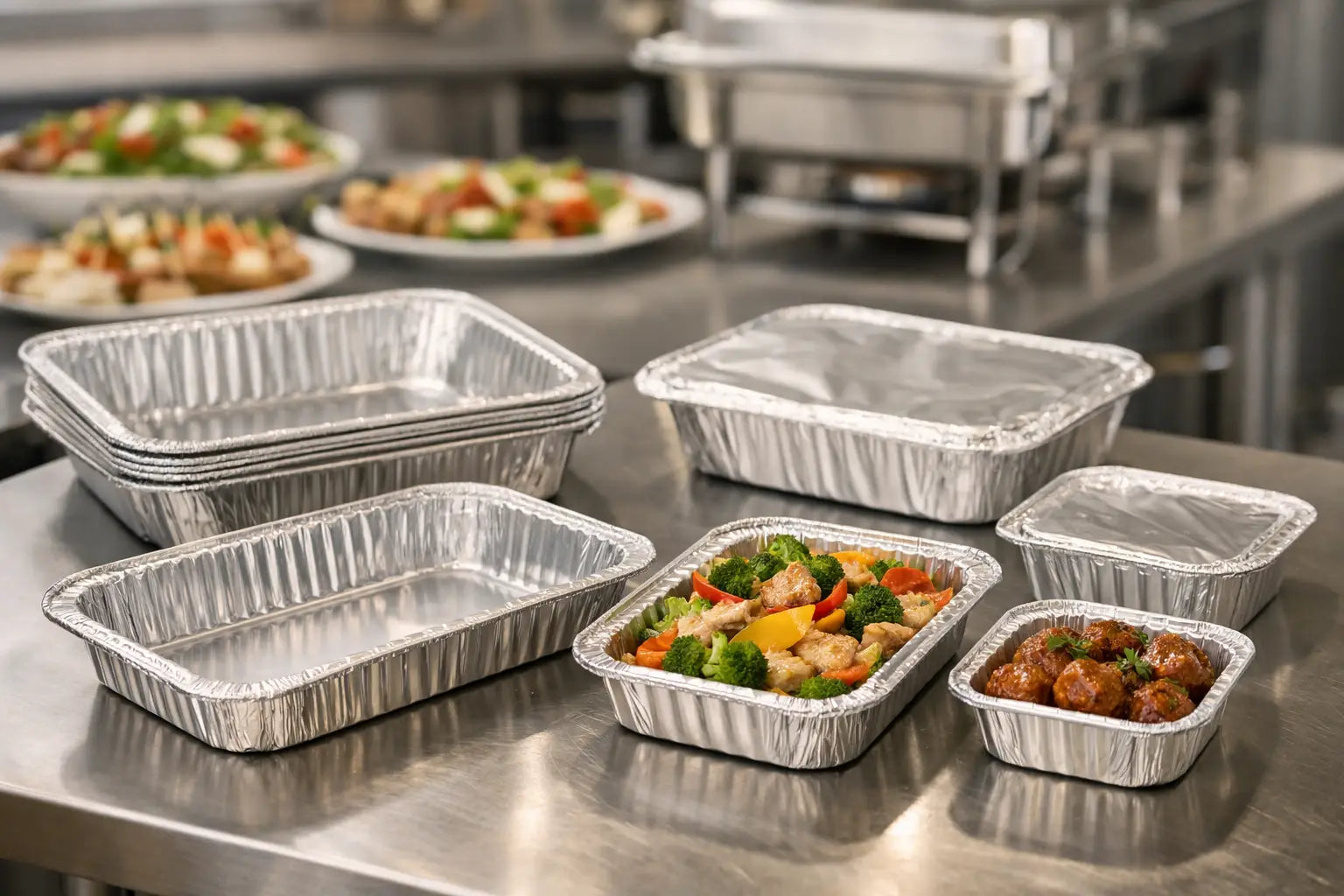
The first step is matching the container material and shape to the food. Rigid plastic containers with tight-fitting lids tend to work well for saucy meals, cut fruit, and prepped dishes that need a strong seal. Aluminum containers can be a solid option for cooked foods and trays, but they need the correct lid fit and careful handling if liquid is involved. Paper-based options may be useful for lighter foods, but they are not always the best choice for meals with thin sauces or grease-heavy contents unless they are specifically designed for that use.
Depth also matters. Shallow trays can be excellent for baked dishes or foods that stay level, while deeper containers usually perform better for meals with movement, liquid, or layered ingredients. If the food shifts during delivery or transport, a deeper container gives the contents less chance to press against the lid and escape.
Why lids fail even when the container looks fine
Many leaks happen because the lid is technically on, but not fully sealed. That sounds obvious, but it is easy to miss during a busy lunch rush, event setup, or meal-prep session at home. If even one corner is raised or the rim has food caught in it, the seal can break.
Before closing any container, wipe the rim. Sauce, oil, rice grains, and crumbs all interfere with lid contact. Once the rim is clean, press around the full edge rather than only the center. With snap-on lids, a quick visual check helps, but a light pressure test is better. If one side lifts easily, it is not secure.
Lid compatibility is another issue. Containers that look similar are not always interchangeable. In commercial settings, mixing lid styles from different product lines can create small fit issues that lead to large spills. For households, reusing old lids with new containers often causes the same problem. A close-enough fit is rarely good enough for liquids.
Hot food creates pressure
Steam can push against a lid from the inside and weaken the seal during transport. This is especially common with fresh-cooked rice dishes, soups, saucy pasta, and foods packed immediately after cooking. If the container is filled and sealed while the food is still releasing a lot of steam, condensation builds, pressure rises, and leaks become more likely.
That does not mean food should sit out too long. It means timing matters. Let very hot food settle briefly when possible, then pack it in a container designed for heat. If vented packaging is available and appropriate for the food, it can help reduce pressure. For deliveries and events, keeping hot food upright and stable is just as important as the initial seal.
Fill levels matter more than most people think
Overfilling is one of the fastest ways to create leaks. When food reaches the top edge, the lid has no room to close cleanly. Even if it snaps shut, pressure from the contents can force liquid into the rim, which breaks the seal once the container moves.
Leaving a little headspace gives the food room to shift without pressing directly on the lid. This is especially important for soups, stews, beans, dressings, and foods with oil separation. In business settings, portion control also improves consistency and cost management, so the same habit solves two problems at once.
Underfilling can also be an issue in some cases. If there is too much empty space, foods can slide and splash during transport. That is why container size should match portion size as closely as possible. A large container with a small amount of soup is more likely to leak than a properly sized one with a secure lid.
How to pack different food types without leaks
Thin liquids are the highest-risk items, but semi-liquid foods can be just as tricky. Soup needs a strong, leak-resistant container with a lid designed for liquid. Dressing and sauce should often be packed separately unless the meal is meant to be fully mixed before delivery. Oily foods such as roasted vegetables, grilled meats, or fried items may not look messy at first, but oil finds weak spots quickly.
For layered meals, keep wet ingredients away from seams when possible. Place heavier solids at the bottom and sauces in the center rather than right against the sidewalls. With salads, fruit, and cold meal-prep containers, small cups for dips and dressings reduce leakage and help preserve texture.
If you are packaging a combination meal, separation usually works better than forcing everything into one container. A slightly higher packaging cost can prevent a full order loss, customer complaint, or cleanup problem later. For many businesses, that trade-off is worth it.
Double protection for higher-risk orders
Some foods need a backup plan. If an item is especially saucy, greasy, or likely to tip, use a secondary barrier such as a sealed bag, overwrap, or supportive outer container. This does not replace a proper seal, but it limits damage if something shifts.
For delivery and catering, upright transport is essential. Even the best container can fail if it is stacked at an angle or compressed under heavier items. Put liquid-heavy foods on top only if they will stay level and protected. Otherwise, use crates, boxes, or bags that reduce movement and keep the base flat.
How to prevent food leaks during delivery and transport
Transport is where small packaging problems become obvious. A container that seems fine on the counter may leak in the car, on a catering cart, or in a packed refrigerator. Vibration, turning, lifting, and stacking all test the seal.
Start by placing heavier containers at the bottom and keeping lighter items above them. Avoid sideways packing for anything with liquid. If you are sending out multiple items in one bag, separate hot and cold foods when possible and make sure sharp corners or hard edges are not pressing into nearby lids.
Bag choice matters too. Thin takeaway bags may be fine for dry items, but larger or heavier meals need stronger support. A sturdy bag with a flat base helps keep containers upright. For event service or bulk orders, trays and boxes often work better than loose bagging because they reduce tipping and keep the load balanced.
At home, the same rules apply. If you are storing leftovers, place containers level in the fridge and avoid stacking warm containers before the lids have settled properly. For lunches and meal prep, carry liquids in dedicated leak-resistant containers rather than relying on whatever is available in the cabinet.
Small quality checks save money and hassle
If leaks happen regularly, the problem is usually not random. It is either a packaging mismatch, a packing habit, or a handling issue. The fastest way to fix it is to check where failure happens most often. Is it with hot foods, oily foods, family-size trays, or delivery orders? Do lids pop at the corners, or does liquid seep from the rim? Those details point to the right solution.
For businesses, testing packaging with real menu items is worth the effort. Fill the container, seal it, tilt it gently, and let it sit for a few minutes. A product that performs well in a catalog description still needs to perform under actual service conditions. For home use, it helps to keep a few dependable container types on hand instead of trying to make one style work for everything.
This is where buying from a practical, packaging-focused supplier makes a difference. A broader range of food containers, lids, trays, cups, and takeaway packaging gives you more control over fit and function rather than forcing compromises.
Food leaks are rarely caused by one big mistake. More often, they come from small mismatches - the wrong container, too much fill, a dirty rim, trapped steam, or unstable transport. When each step is handled with a little more intention, the result is cleaner storage, better presentation, and fewer avoidable losses. A reliable seal does not just protect the food. It protects your time, your space, and the experience on the other end.